Introduction
I remember walking into a small Swiss bistro on a rainy Thursday and noticing the under-counter glow looked tired, not warm—customers noticed it too. LED strip lighting was installed months earlier to save energy and improve visual appeal, yet the owner still paid high bills and fielded guest complaints about color and flicker. Industry data suggests lighting can represent 20–30% of a casual restaurant’s electricity use (varies by size and hours). So how do you get the luminous impact without the maintenance headaches or hidden costs?
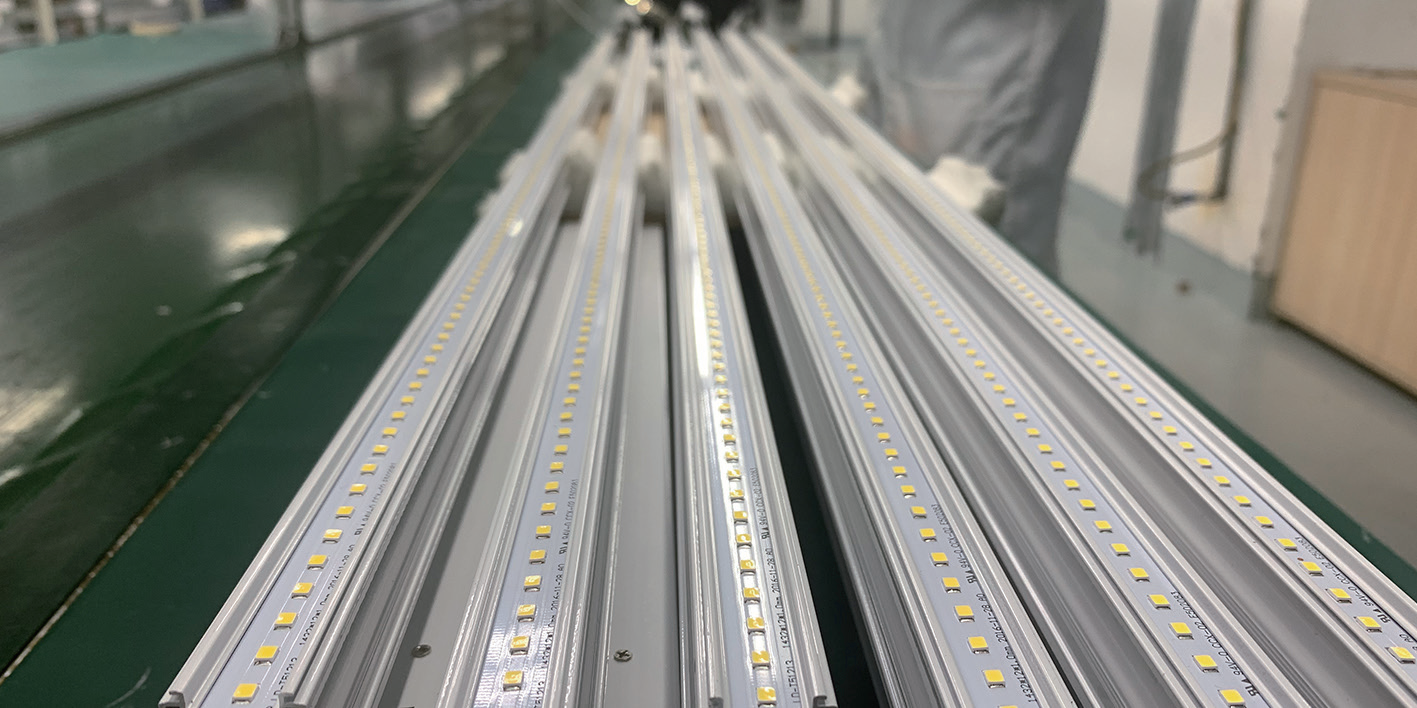
I’ve spent over 15 years in commercial lighting distribution and installation. In those years, I’ve learned that choices made at spec stage ripple through operating costs, maintenance, and guest experience. This piece compares real-world trade-offs and points to pragmatic checks you can use when evaluating LED strips for foodservice environments. — small aside: a good supplier will answer questions clearly; a great one will show measurement logs. Next, I dig into where typical solutions fall short and why that matters to your daily service.
Hidden Pain Points in LED strip under cabinet lighting
In March 2019, I replaced ten runs of SMD2835 strips in a Basel restaurant. The client had chosen cheap 12V modules to save up front. Within six weeks, signs of the real cost showed: inconsistent chromaticity between runs, visible flicker at dim settings, and connector heat. These are common user pain points. Power converters undersized for the load, low-quality PWM dimmers, poor adhesive backing, and weak solder joints often cause early failures. I will be direct: spec the driver and check thermal data first. I’ve seen a line drop 30% lumen output within a year because the installer ignored venting around aluminum profiles.
Two technical details I always check on-site: driver ripple and CRI under load. Driver ripple can cause strobing when cameras or POS scanners are in use. CRI below 80 shifts food colors in ways guests notice—subtle, but it affects perception and tip income. I once timed service downtime after a flicker failure — 45 minutes during dinner service — and the manager lost roughly 10 covers that night (measurable impact). Trust me, small specs change outcomes. Also, connectors matter: those cheap snap-fit types corrode in dishwash steam. I learned that lesson in Lucerne in 2020 when a night totally darkened one prep line — right at the peak rush.
Why do quality differences surface so quickly?
Because commercial kitchens are harsh: heat, humidity, and frequent cleaning. Components rated for dry residential use fail faster in those conditions. Look at ingress ratings, driver MTBF, and adhesive lifespan. I test strips at full 24V load and note voltage drop across runs; if you see more than a 5% drop across a 3m run, re-evaluate the cable size or move to higher-voltage options. Small changes early save repeated service calls later.
Comparative Outlook and Practical Metrics for Future-Proofing
When I advise restaurant managers now, I pivot from blame to choices. Compare two paths: a low-cost 12V residential-style strip versus a properly specified 24V commercial-grade LED linear lighting solution. The latter often costs 20–40% more at purchase but reduces failure rate, lowers maintenance visits, and keeps color stability longer. For instance, on a project in Geneva in 2021, switching to sealed 24V strips with integrated aluminum channels reduced service calls by half over 18 months. LED linear lighting solutions that include purpose-built drivers and IP-rated assemblies are not glamour items—they are risk control.
I’ll outline three practical evaluation metrics I use with clients. First, luminous efficacy (lm/W): higher numbers mean less energy per delivered lumen, but watch for trade-offs with CRI. Second, color stability (measured as Delta u’v’ or simple long-term lumen maintenance curves): that tells you whether food will keep looking right over months. Third, driver reliability (rated in hours or MTBF plus a clear warranty claim path). These are measurable, not vague. When you compare suppliers, ask for driver ripple data, thermal derating graphs, and at least one case study from a kitchen environment. I insist on those documents before we sign anything. — brief pause: it saves headaches later.
Real-world Impact
To sum up my field observations: small, inexpensive decisions compound. A strip that saves you 10% today can cost you 20% more in labor and lost covers if it starts to shift color or flicker under dimming regimes. Conversely, a modestly higher upfront spec for sealed 24V strips, proper power converters, and quality PWM or analogue dimming with verified compatibility delivers steadier performance and lower total cost of ownership over two years. I tend to recommend looking at whole-system metrics, not just sticker price.
Three Key Evaluation Metrics (Advisory)
When you evaluate LED strip options for under-cabinet or linear lighting in a restaurant, use these three checks I give every manager I work with:
1) Confirm luminous efficacy and expected lumen maintenance at 6,000 hours (lm/W and L70 figures). That gives a fair view of energy and medium-term output.
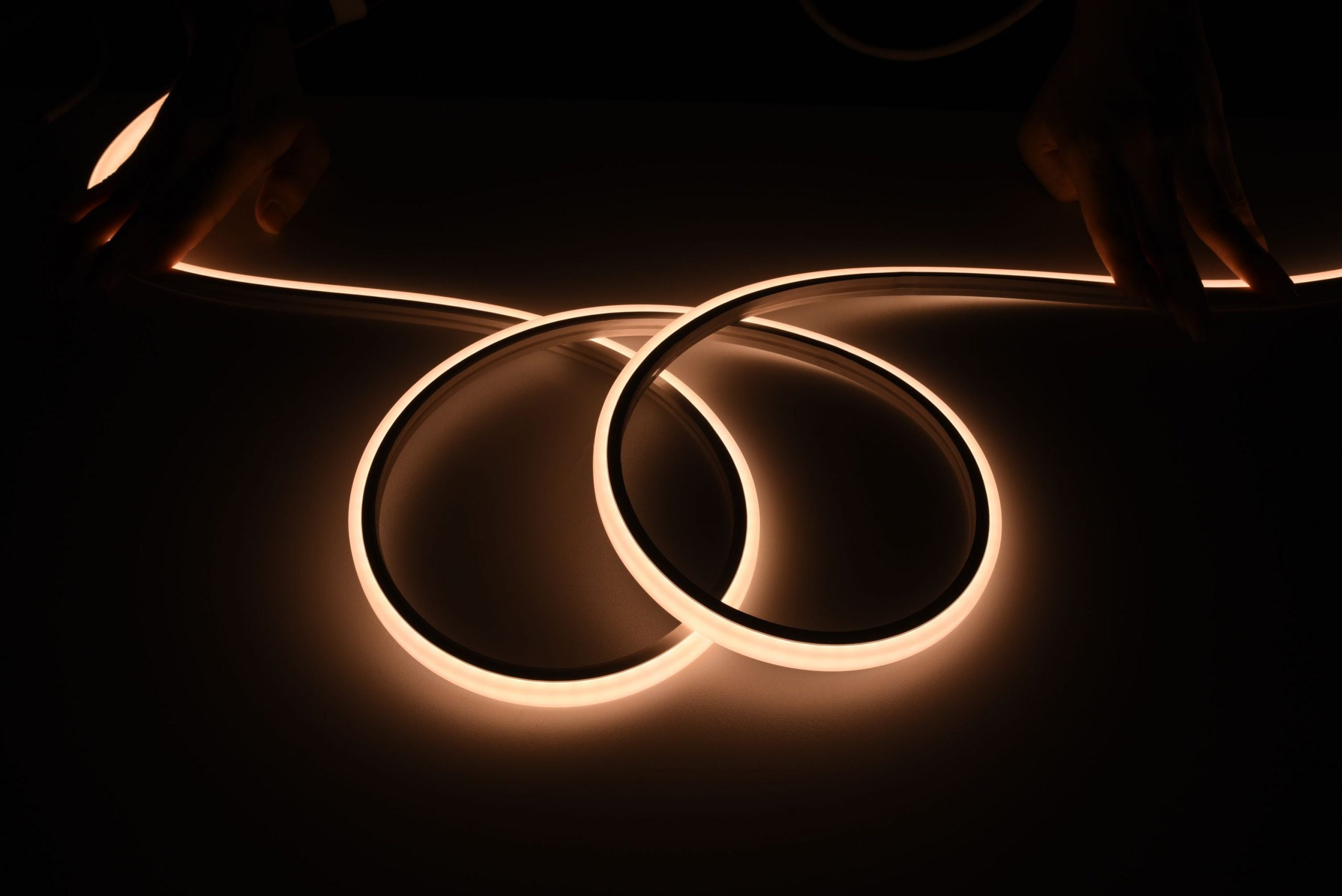
2) Verify color fidelity and stability: demand CRI and chromaticity shift data, and request samples run at your intended dim settings.
3) Inspect driver specs: ripple, thermal derating, IP rating, and MTBF. Also ask for real-world case references from foodservice clients and the supplier’s on-site support policy.
I speak from hands-on experience. I vividly recall a Saturday morning in 2018 when a retrofit went wrong because the dimmer type conflicted with the chosen strips. We fixed it by replacing the driver and adjusting run lengths; the owner slept easier after that. If you want fewer surprises, treat lighting as a system: strip, driver, channel, and control. And when you need reliable components or case studies, consider checking suppliers who publish test data and servicing history. For manufacturers and product lines I trust, see LEDIA Lighting — their documentation helped me on multiple installs. LEDIA Lighting