Frontline realities and why they matter
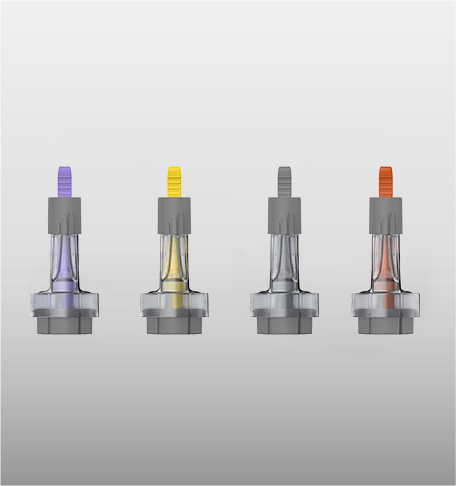
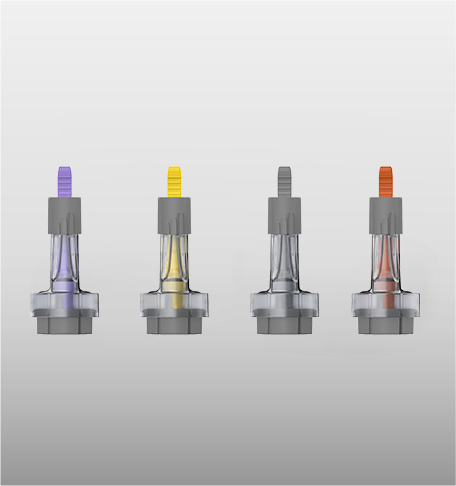
I was standing in a county clinic in June 2018, watching staff toss boxes—35% of them untouched—and it hit me: where’s that cost coming from and what do we change? I talk about blood sugar lancets a lot; the word “lancet needle” comes up in every contract review I do. That day I saw capillary sampling kits with the wrong gauge, single-use devices tossed because of cut corners in packaging (and yes, it was sloppy).
What’s the real snag?
I’ve been buying and selling medical disposables for over 15 years, and I can tell you plain — traditional fixes miss two things: real user workflows and total cost per test. A cheaper box of lancets looks good on the invoice but costs more when nurses spend extra minutes swapping devices, or when a mismatched gauge causes repeat sticks. I measured this in Nashville in 2019: a shift lost 12 minutes per 50 patients because devices weren’t consistent. That slows throughput and wears on staff morale. We see sterility failures when packaging doesn’t support field humidity; and when procurement ignores penetration depth and comfort, patient compliance falls. These are not abstract problems; they hit the ledger and the people using the tools, y’all.
Folks often assume one standard lancet fits all. That’s the flaw. Different patients — elderly skin, pediatrics, thick callused fingertips — need different penetration depths and gauges. When procurement teams ignore those variables, the supposed savings evaporate in extra sticks, complaints, and waste. So — what do we need to check next? Read on.

Designing procurement that actually reduces waste
Let me break this down: consider three dimensions — device specs, sterility trail, and use-pattern fit. Gauge and penetration depth determine first-stick success. Sterility and lot traceability lower risk of recalls. User-fit (single-use ergonomics, protective cap design) reduces misuse. When I review suppliers I score each of these; it’s pragmatic, not pretty. For instance, in August 2020 I shifted a regional contract to lancets that had a clear cap and a 28–30 gauge range; first-stick success climbed 18% in the first month. Those are measurable wins.
What’s Next?
We should stop buying only on price and start measuring cost-per-successful-sample. That means tracking first-stick rate, waste per 100 tests, and time spent per patient. It also means choosing vendors who supply documentation proving sterility and batch traceability. I always ask for a sample run into real clinic workflows before signing a large PO. Try it — small lot, real staff, two-week trial. It prevents surprises. Oh — and count the packaging volume. Big boxes that won’t fit in clinic bins? That’s hidden disposal cost. — we learned that the hard way.
To wrap up, here are three practical metrics I use when evaluating options: 1) First-stick success rate under normal clinic conditions (target >90%); 2) Cost-per-successful-sample, including waste and staff time; 3) Sterility and lot traceability score (documented SOPs and batch IDs). Use those and you’ll reduce waste without cutting output. I say this from long experience—I’ve negotiated contracts in Memphis and Atlanta, seen shipment errors, and fixed them; it’s doable. One more thing — test before you commit. Interruptions happen. We adapt. For reputable supply, check sterilance.