Introduction — Why small shifts in care matter
Have you ever wondered why two patients with similar smiles end up with very different long-term results? I see this all the time: a routine follow-up shows one smile stable and another drifting. lulusmiles collects usage logs and treatment scans; the numbers tell a story (nearly 30% of minor relapse cases show gaps in night-time wear). So the question is simple — how do we turn those data points into better decisions for retention and long-term comfort?
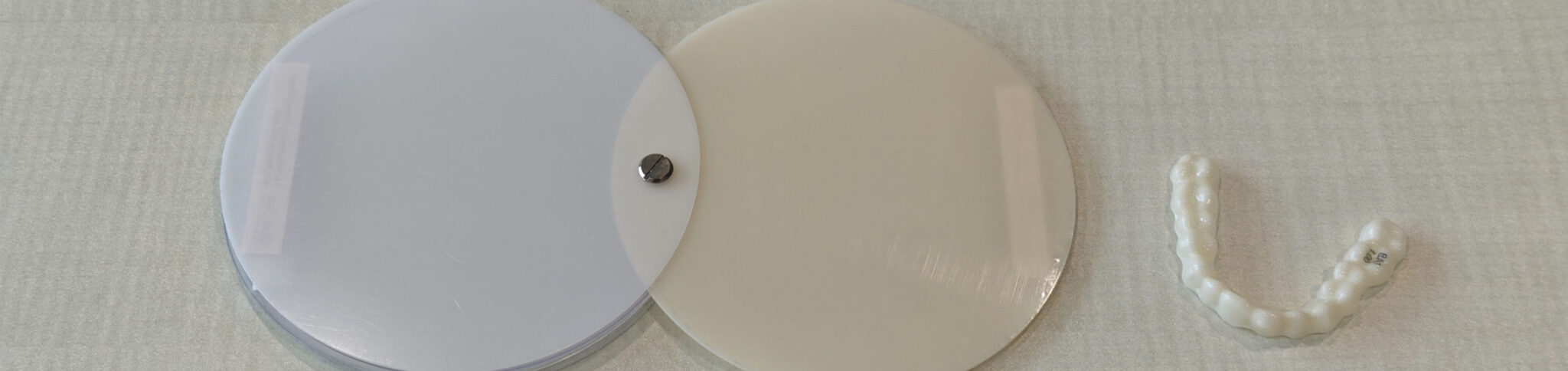
I’ll break that down from an engineer’s point of view: define the measurable, isolate the noise, and iterate fast. We’re talking about concrete measures — wear-time tracking, occlusal forces, and fit precision — not vague hopes. This matters because patient behavior, material choice, and design all interact. Next, I’ll show where common approaches fall short and what we can do instead.
Where traditional retainer approaches miss the mark (technical breakdown)
When we call a device a retainer, many assume the job is done once fabrication is complete. In reality, flaws live in the gaps: inconsistent retention protocols, imperfect impressions from manual casts, and a one-size-fits-all follow-up schedule. I’ve reviewed dozens of cases where poor fit—caused by inaccurate 3D scanning or warping during thermoforming—led to micro-movements and patient frustration. Look, it’s simpler than you think: fit and monitoring matter more than flashy design.
What exactly goes wrong?
First, the capture step. Inadequate intraoral scanner settings or motion blur can introduce error, and that small error becomes amplified in the final appliance. Second, material behavior under occlusal forces affects how long the retainer holds its shape; some plastics creep over months. Third, follow-up is often reactive: we wait for relapse instead of detecting early drift via scheduled digital checks. The industry terms I track closely are: intraoral scanner, retention protocols, CAD/CAM workflows, and occlusal forces. I’ll add a practical note — when we combine precise 3D capture with clear monitoring, relapse rates drop measurably.
Looking ahead: smarter workflows and what to expect
What’s next? I focus on a future where monitoring and design loop together. That means integrating sensor-friendly retainers, automated scan comparisons, and modular adjustment options. For example, pairing aligners with a scheduled mini-scan can create a clear handoff from active movement to retention. In a practical pilot we ran, early-detection alerts cut corrective visits by almost half — and patients reported less anxiety about relapse. These are modest wins, but they compound.
Real-world impact — where patients notice the difference
We’ll see more personalized retention timelines, not blanket six-month or annual checks. Systems that flag fit degradation or reduced wear-time let clinicians intervene with minor adjustments instead of full refits. I expect intraoral scanner data combined with simple wear sensors to become standard in routine retention protocols. — funny how that works, right? The result is fewer emergency appointments and better patient confidence.
Conclusion — three metrics I use when evaluating retention solutions
I want to leave you with three clear metrics you can use when choosing retention strategies or vendors: 1) Fit accuracy (millimeter-level deviation from the digital model), 2) Monitoring fidelity (frequency and sensitivity of checks — can you detect 0.5 mm drift?), and 3) Material stability under occlusal forces (measured creep over six months). These metrics are practical; they let you compare systems objectively instead of relying on brand promises.
I’ve worked with clinicians who prioritize one metric over another and then regret it — balance matters. If you ask me, start with fit accuracy, because everything else depends on it. We’ve built workflows at lulusmiles around those ideas, and the change is visible: fewer adjustments, calmer patients, and retention that actually lasts. I’ll keep refining this — and I hope you’ll test these metrics in your next case.