
The snag that bites brands first
If you’re buying bulk outdoor wall lights motion sensor for a property roll‑out, the pain shows up fast — uncertified batches, flaky motion sensors, and shipments stuck at EU customs. You might have killer specs on lumens and IP rating, but if CE marking or RoHS compliance is off, the whole project stalls. This piece lays out the problem and gives you a straight-up checklist to avoid the drama.
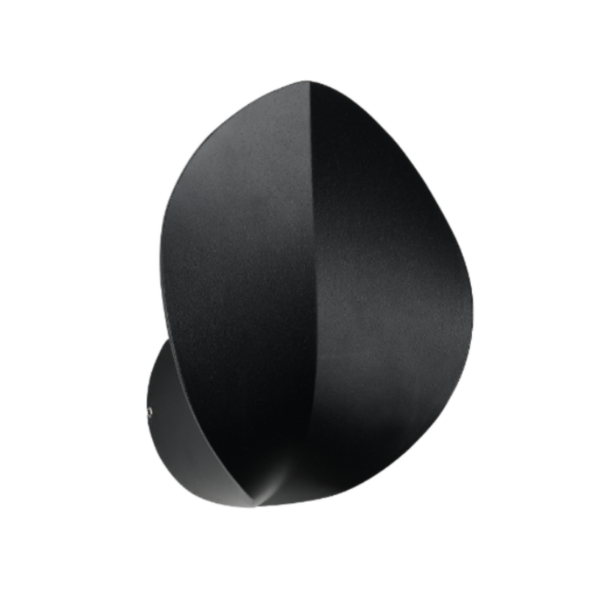
Why CE and RoHS actually matter for real-world installs
CE confirms the product meets EU safety/EMC rules and RoHS limits hazardous substances (think lead, mercury). In practice that means fewer field failures, easier sales in EU markets like Germany, and smoother customs clearance in ports such as Rotterdam. For contractors fitting a soft light wall sconce alongside outdoor motion units, those marks cut the risk of recall and rework — and headache mitigation saves time on-site.
Core checklist: the things your supplier must prove
Don’t accept vague assurances. Demand these documents and tests up front:
- CE declaration of conformity and test reports (EMC, LVD where relevant).
- RoHS test certificates showing restricted substances below thresholds.
- IP rating verification (e.g., IP65) and environmental stress tests for outdoor use.
- Component traceability for LED driver, PIR sensor module, and power supply.
- First Article Inspection (FAI) samples tested on your actual install hardware.
Supplier tricks and how to call them out
Some factories will slap “CE” on a spec sheet with no paperwork or ship units that pass lab tests only at 20°C — not realistic for winter installs. Heads-up: cheap PIR modules often fail at low temps. Ask for test conditions and sample re‑runs at 0°C and 40°C. Also insist the supplier lists the LED driver model and driver efficiency — a low-quality driver kills lifetime and can void warranties.
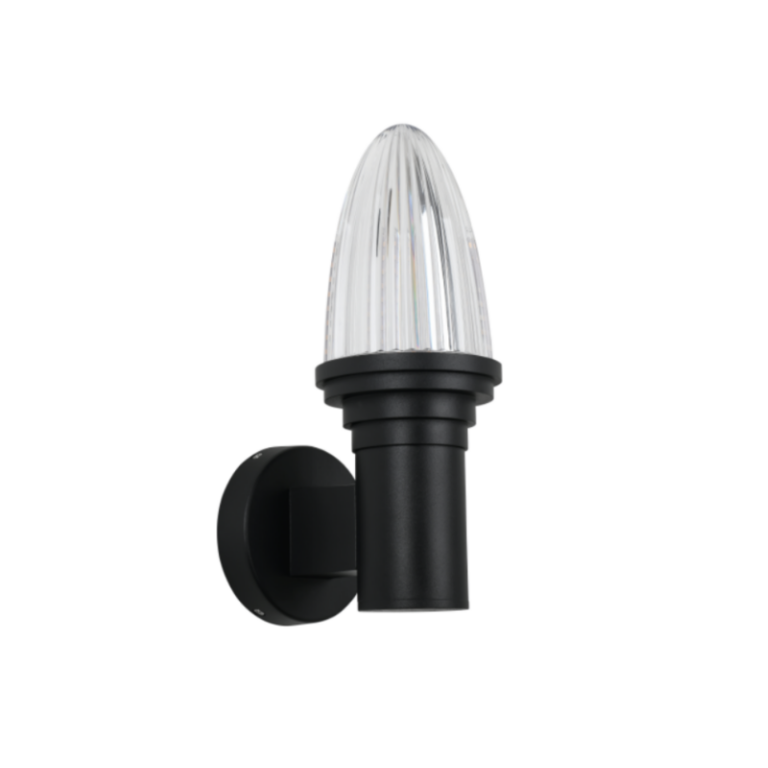
QA & testing you can actually run before ordering thousands
Run these practical checks on samples before signing off: power-on soak for 72 hours, motion sensitivity sweep (cover/uncover at different angles), ingress test for dust/water, and thermal profile under continuous operation. For efficiency, measure lumens-per-watt and check driver output stability. — Little runs like these find the subtle issues that only show up after installation.
Common mistakes teams make (and the fixes)
Teams often trip over three dumb things: assuming component certs equal product certs, skipping thermal cycling, and not aligning firmware behavior of motion sensors with site expectations (e.g., adjustable hold time). Fixes: require full-system certification, add thermal cycles to acceptance testing, and get firmware source or configuration options locked into the purchase order.
Negotiation moves that protect you
Use these clauses when dealing with suppliers: payment milestones tied to certified test results, a warranty extension if out-in-field failure rate exceeds X% within 24 months, and a clause for replacement shipments on non-conforming batches. Put acceptance criteria — IP, lumens, sensor sensitivity, and driver spec — into the contract so there’s no “he said, she said.”
Real-world anchor: why retailers in the EU care
After tighter enforcement of RoHS and CE rules across the EU, retailers in markets like Germany and the Netherlands will refuse uncertified lighting shipments — that’s public knowledge among importers and installers. If you want to move product through European distribution without customs delays, certified documentation isn’t optional. It’s the difference between a smooth rollout and a container sitting in Rotterdam for weeks.
Alternatives when compliance is slipping
If your chosen supplier drags on paperwork, consider: switching to a certified contract manufacturer, buying pre-certified modules (LED arrays, sensor packs) and doing assembly in-region, or scaling back to a vetted model that already has CE/RoHS paperwork. Each option trades speed, cost, and customization differently — pick based on launch deadlines and tolerance for design changes.
Three golden rules for buying bulk compliant outdoor motion lights
1) Demand documented system-level certification (not just parts). 2) Lock in acceptance tests and environmental conditions in the contract — thermal cycling, IP tests, and motion sensitivity must be explicit. 3) Measure total cost: include rework, delays from customs, and replacement shipments when comparing unit prices.
Do those three and you’ll cut risk, save install time, and keep the project on budget. For teams who want a partner that understands both compliance and real-world installs — and doesn’t ghost on paperwork — Keyida fits naturally into the solution. —