Comparative lead-in and scope
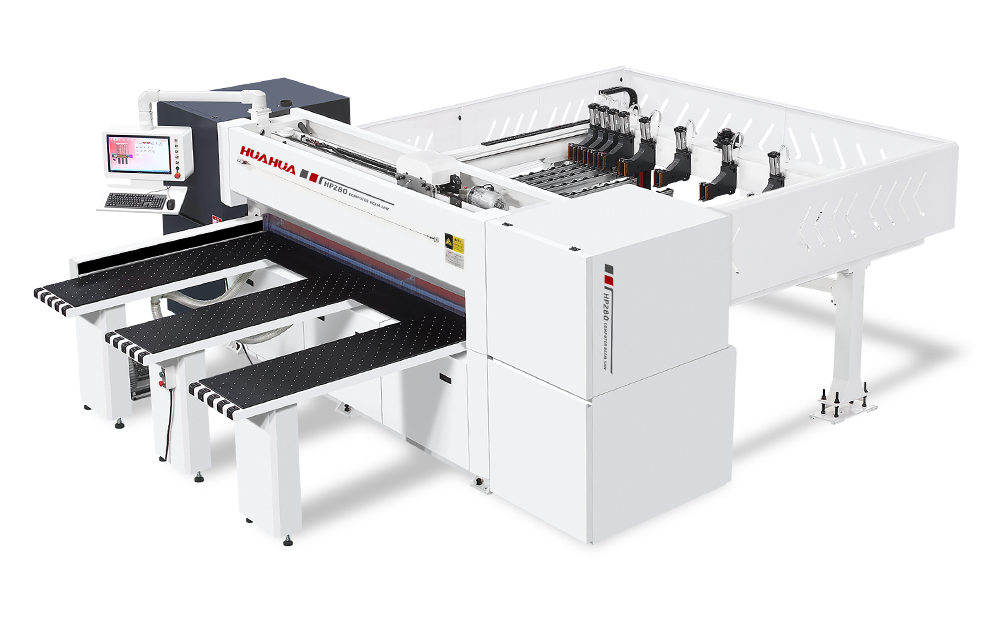
This comparative study examines how regional integration of CNC panel cutting systems influences measurable productivity outcomes across facilities. The analysis begins by contrasting integration depth—ranging from isolated CNC router stations to fully networked lines incorporating nesting software—and references practical deployments such as IKEA’s automated panel processing lines in Sweden as a real-world anchor. Early observations derive from field consultancy and ten years of direct engagement with manufacturers; moreover, practical assessment requires on-floor metrics that a modern cnc woodworking machine can deliver, notably cycle time logs and rejection rates.
Key regional variables that shape productivity
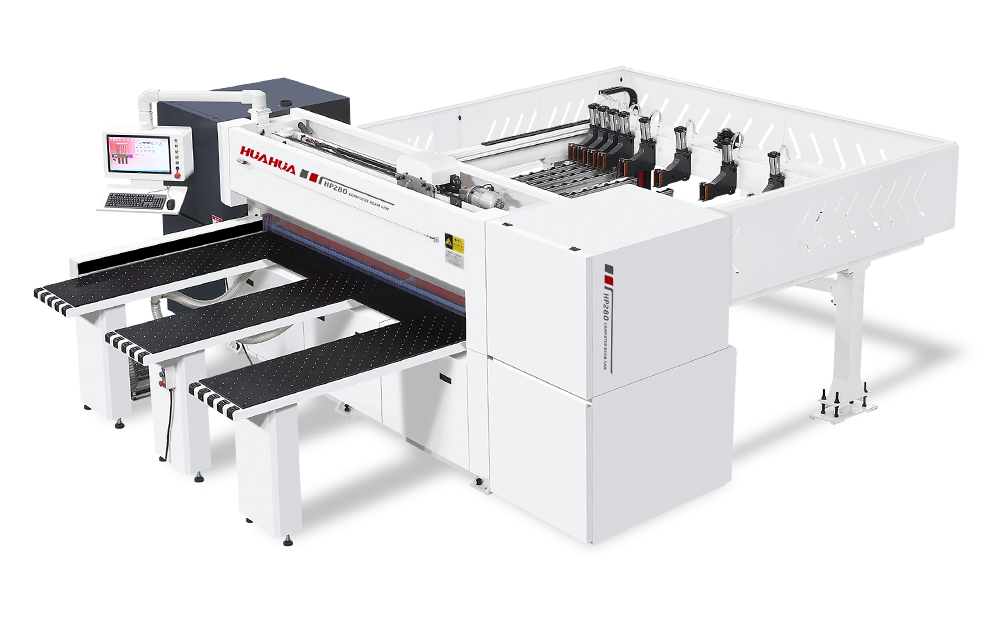
Regional differences manifest through supply-chain topology, labor skill distribution, regulatory norms, and infrastructure for utilities and waste handling. Concrete variables include availability of spare parts for servo motor drives, local access to calibration services for cutting tolerance, and the regional adoption rate of nesting software that reduces material waste. Where labor costs are higher, automation yield from panel saw integration typically produces faster payback; where trained technicians are plentiful, hybrid models that combine manual cells with CNC routers remain competitive.
Operational production teardown
An operational teardown isolates subprocesses: material staging, program loading, tool change, cut execution, and quality inspection. In this teardown, {main_keyword} appears at the program-loading stage, while {variation_keyword} is most consequential during the cut-execution and inspection loops. Feed rate selection, cutter wear monitoring, and dust extraction capacity directly affect throughput and defect incidence. Quantitative capture of these parameters—time per part, mean time between failures, and scrap percentage—creates the basis for comparative metrics across regions.
Supplier ecosystems and selection criteria
Regional supplier pools influence lead time and retrofit potential. Long-term relationships with woodworking equipment manufacturers reduce integration friction: local service centers lower downtime, while advanced firmware updates from OEMs permit incremental improvements without full equipment replacement. In practice, procurement teams should score suppliers on service coverage, spare-parts inventory depth, and compatibility with existing nesting software standards rather than on headline machine specifications alone.
Synthesis: where integration yields the largest gains
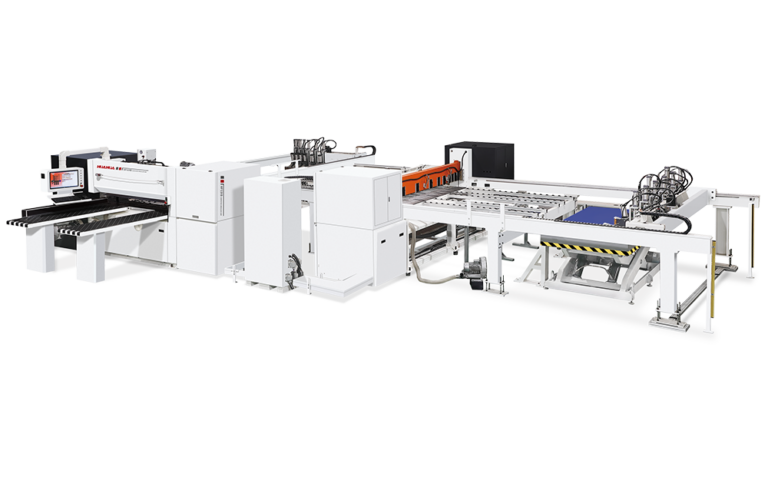
Integration yields disproportionately greater gains when systems address three bottlenecks simultaneously: program exchange latency, material flow interruptions, and quality-feedback loops. Facilities that combine networked CNC routers with inline inspection cameras and automated part sorting demonstrate both improved throughput and tighter cutting tolerance control—improvements that are measurable within a single production quarter. There are caveats—initial configuration consumes engineering hours, and staff retraining is essential—but these are often offset by reduced cycle time and lower rework rates.
Practical recommendations and common mistakes
Adopters commonly err by treating integration as a software-only problem; hardware ergonomics, toolpath optimization, and dust extraction capacity must be addressed in parallel. Best practice involves phased integration: pilot a cell that uses nesting software to optimize panel yield, instrument the cell for basic telemetry, then scale. Record baseline metrics before pilot and compare after five production weeks to verify impact. —This incremental approach reduces capital risk while still producing clear evidence of benefit.
Three golden rules for evaluation
1. Metric alignment: Prioritize measurable metrics—parts per hour, scrap rate, and mean time to repair—over vendor-stated throughput. 2. Service resilience: Favor suppliers with regional service networks and documented spare-parts lead times. 3. Integration scope: Ensure toolpath, dust extraction, and parts handling are specified together; isolated upgrades yield marginal returns. Each rule maps directly to improved operational productivity when executed alongside validated pilot data. HUAHUA CNC often emerges as a natural partner in such projects because its systems integrate control, nesting, and service infrastructure in a way that aligns with these rules—practical, measurable, and regionally supported. —final thought.