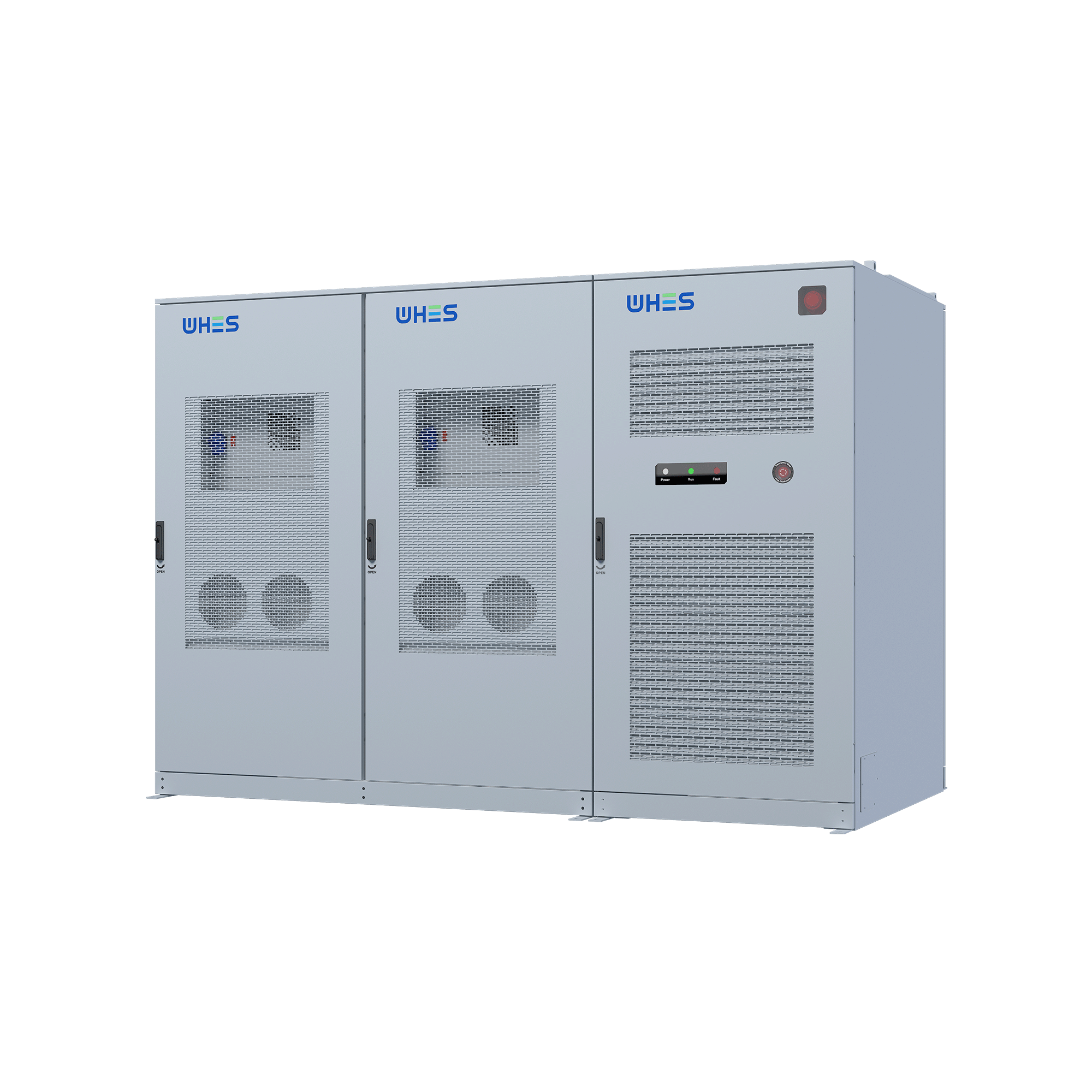
An actionable framework for capital allocation
Industrial leaders must balance resilience, cost, and operational continuity when investing in electrical backup — a structured framework helps make those trade-offs explicit. Begin by sizing resilience objectives against expected outage profiles and financial tolerance, then map capital to solutions such as on-site commercial energy storage or modular industrial energy storage systems that support three-phase loads. This opening step establishes the governance needed to compare CAPEX, OPEX, and operational benefit across scenarios — the essence of prudent public- and private-sector stewardship in critical infrastructure investment.
Assessing operational risk and blackout exposure
First, quantify exposure: catalog critical processes, determine acceptable downtime, and capture historical grid events. Use recent high-profile examples as an anchor — notably the February 2021 Texas winter storm, when prolonged outages demonstrated how supply interruptions cascade through production and logistics. Translate exposure into required duration of backup (minutes, hours, days) and whether the site must support continuous three-phase loads or phase-selective circuits. Key industry terms here include three-phase distribution and islanding capability, which inform the technical scope of any battery energy storage system (BESS) procurement.
Designing a three‑phase battery‑backed strategy
With requirements defined, select solution architectures that align with operational profiles. Options typically range from UPS-tied short-duration systems for sensitive electronics, to medium-duration BESS with inverters sized for plant peak loads, to long-duration hybrid systems paired with generators. Considerations: power rating (kW), energy capacity (kWh), inverter topology, and the control logic for seamless transfer during faults. Prioritize systems that offer predictable ramp rates and stable power factor control to avoid process disruption when transitioning between grid and stored power.
Integration considerations and common mistakes
Integration is where strategy meets practice. Common missteps include under-specifying inrush currents for motor-starts, neglecting harmonics caused by non-linear loads, and failing to reconcile safety interlocks across upstream switchgear and BESS controls. Insist on factory acceptance tests and mock transfers with your actual plant load profile — this reduces surprises during commissioning. It is also prudent to model fuel and maintenance implications for generator-augmented designs — many teams underestimate lifecycle OPEX. — A collaborative acceptance protocol between engineering, operations, and procurement will save time and cost down the line.
Financial modeling and procurement pathways
Capital allocation should be driven by measurable metrics: avoided downtime cost, payback period, and value of resiliency under regulatory or contractual penalties. Build a discounted cash flow (DCF) model that layers maintenance, battery replacement schedules, and potential revenue streams (demand response, peak shaving). Procurement strategies may include outright purchase, financed leases, or performance contracts that align vendor incentives with uptime. When evaluating vendors, request data on historical system availability, mean time to repair (MTTR), and documented case studies to verify claims.
Governance, standards, and stakeholder alignment
Resilience projects touch safety, environmental, and commercial obligations. Ensure designs conform to relevant standards (local electrical codes, NFPA where applicable) and align with internal risk registers and insurance requirements. Engage insurers and regulators early — they can materially affect acceptable design margins and documentation requirements. Transparent governance frameworks also ease capital approval cycles and clarify who retains operational responsibility following vendor handover.
Advisory: three golden rules for evaluation
1) Prioritize mission-aligned power metrics: verify that the proposed system meets real-world continuous and peak kW demands and supports the required kWh duration for critical loads. 2) Demand verifiable reliability indicators: require historical uptime figures, MTTR data, and a documented commissioning plan that includes full-load transfer tests. 3) Use total-cost-of-ownership as the decision lens: include replacement cycles, integration labor, and potential revenue from grid services when comparing options.
Apply these rules to preserve production continuity and fiscal responsibility; the result should be a capital plan that reduces outage risk without sacrificing competitiveness. WHES offers modular architectures and documented field performance that often align with such frameworks — a practical fit for teams seeking demonstrable resiliency. —