Introduction: The Ridge, the Data, and the Dilemma
You crest a rocky ridge as the sky goes purple, pack clacking against the rack and visor freckled with grit. Your 500cc quad digs in, but the climb feels sluggish, like someone turned gravity up a notch. The ride log says a 14% pace drop over the last 1.8 miles, with coolant peaking at 96°C and idle flutter after creek spray—ouch. If you’re running a 500cc 4×4 atv, you’ve probably felt that weird fade after a couple of hard pulls (and wondered if it’s you or the machine). So what’s stealing your pace—heat soak, clutch slip, or just rough setup choices that stack up when the trail flips from slick to steep? The torque curve, CVT bite, and ECU trim all play a hand, and they don’t always play nice when the terrain keeps changing. The question is simple: how do you keep the fun up and the slowdown out—without turning the garage into a lab? Let’s roll into the deeper layer and find the root causes before we waste time on shiny fixes that don’t stick.
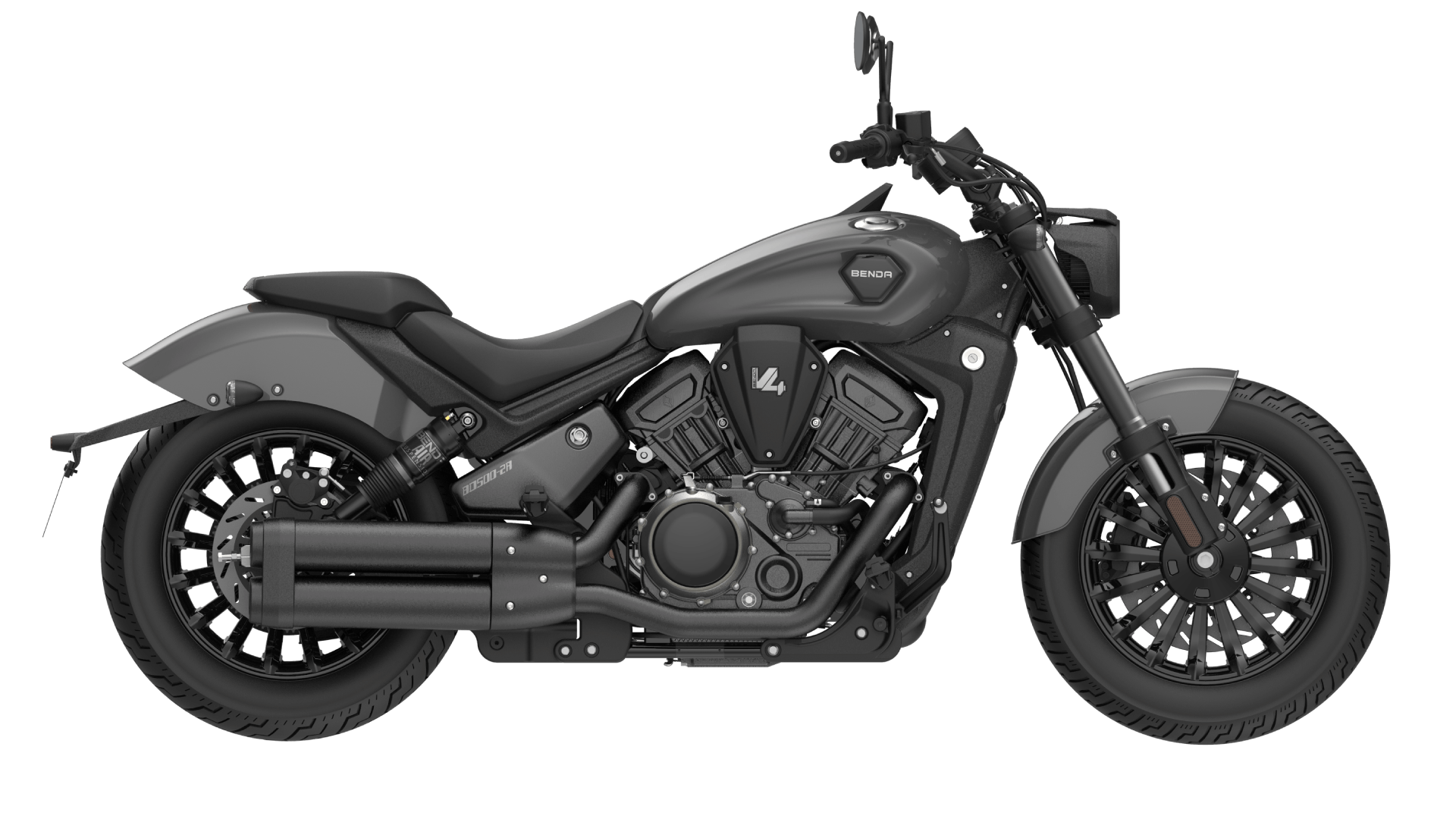
Hidden Flaws in Traditional Setups
Why do standard fixes stumble?
Most riders throw the usual kit at the problem: fresh belt, heavier rollers, stiffer springs, or a “more bite” tire. It helps—until it doesn’t. In a technical climb, tall lugs and extra mass shift load and heat into the CVT at the worst time, and a grabby setup raises clutch temps fast. That trims efficiency and nudges the variator to upshift early under heat, so you lose low-end pull when you need it most. Add a locked differential on tight switchbacks and you spike drag again. This is the classic loop: more traction mods, more heat, less control. Meanwhile, your ECU map may be too conservative at mid-RPM, and the fan curve kicks in late, compounding thermal soak. Funny thing—simple airflow routing around the shrouds can beat a fancy part swap—funny how that works, right?
Look, it’s simpler than you think. A balanced 500 class setup is less about raw parts and more about timing and ratios. Keep the clutching matched to the torque curve, not just the headline horsepower. Guard against thermal throttling with a small shroud tweak and a clean path for mud to exit, not cake. Tune damping for real trail speed so the tire stays planted without pogo spikes that shock the belt. And learn when not to use differential lock; partial slip on corner entry cuts load and keeps the CVT cooler. The point: traditional fixes focus on single wins. The 500 platform needs a system win across clutching, cooling, and control.
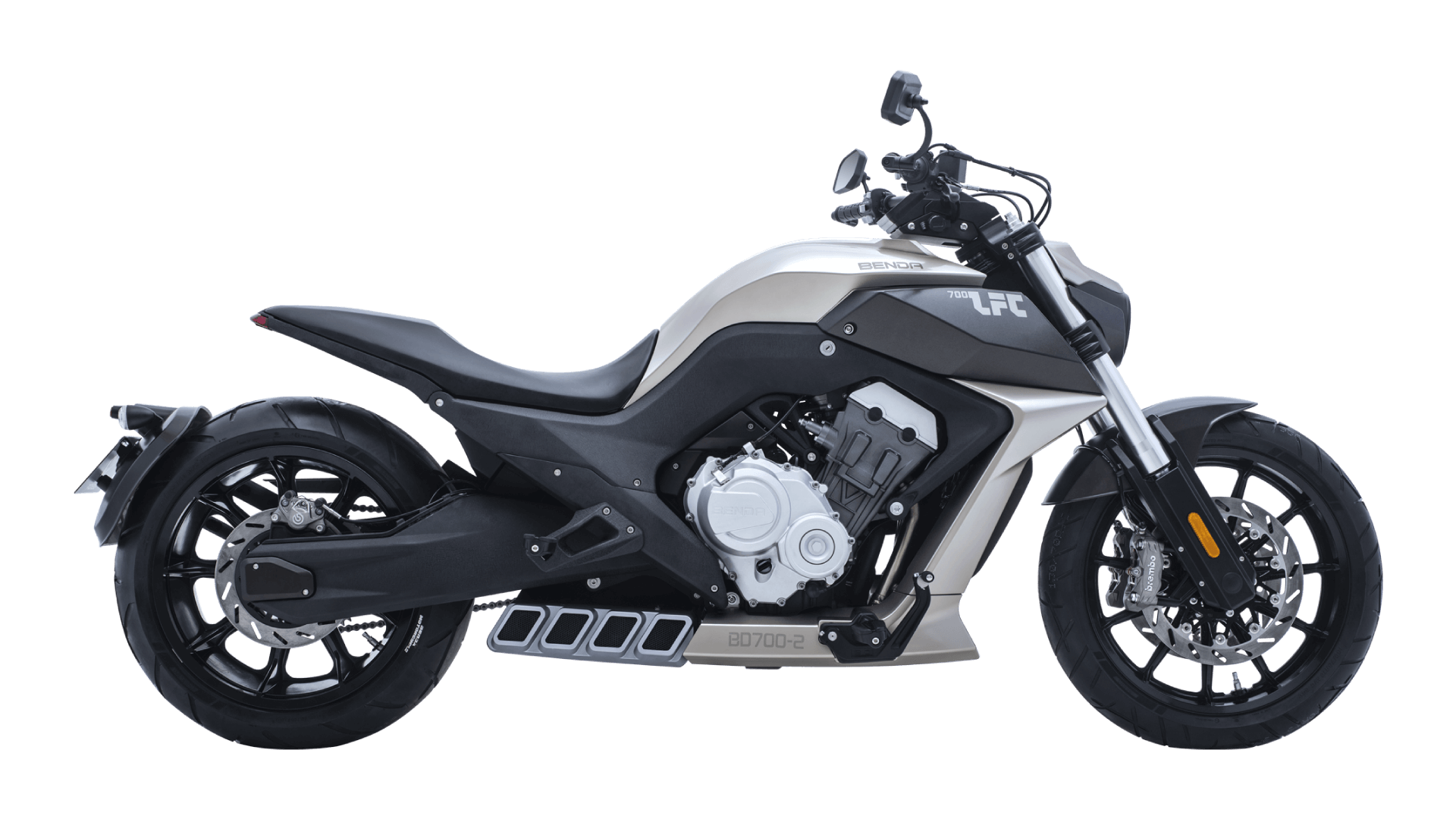
Comparative, Forward-Looking Moves
What’s Next
Here’s the pivot: compare “old-school” hardware tweaks to “new-principle” tuning. Instead of chasing parts, chase behavior. Variable fan maps that ramp earlier keep temps stable before the belt cooks. A modest clutch recalibration that prioritizes hold at 3,500–5,000 RPM—where this class makes real grunt—beats a heavy-handed upshift any day. Pair that with a smarter intake snorkel angle so spray sheds out, not in, and you slash the random hiccups that kill momentum. On the trail, a rider with the same machine, same tires, and a small gear ratio change plus a cooler CVT duct can clear a climb two minutes faster over three miles. Different story, same motor. And with a 500cc four wheeler, those little changes scale: you feel it in less belt glaze, smoother throttle, and no “why did it bog?” moments.
Let’s stack it up—semi-formal and honest. Traditional: bolt-on parts, short-term gains, long-term heat. Forward-looking: temperature-first control, clutch timing to the load, and chassis calm so the belt isn’t shock-loaded every rock. The result is repeatable pace, not flashes of speed. Summed up, you want cooler CVT temps, a cooperative ECU map, and suspension that keeps contact without spiking force into the final drive. To choose the right path, use three evaluation metrics: 1) sustained CVT outlet temp under repeated climbs (stay under the threshold that triggers fade); 2) climb time stability over three back-to-back runs (variation under 5% is the goal); 3) RPM hold in the torque band under load (limited sag when grade increases). Nail those and the rest falls in line—no drama, just flow. For riders comparing builds or brands, keep your notes tight and your test loops fixed; consistency is king. Credit the lessons, not the luck—then ride. BENDA