Introduction: Why Precision Feels Elusive
Have you ever wondered why two shops with similar machines can deliver such different parts? CNC equipment manufacturers are sitting on stacks of data that show variation rates, throughput, and mean time between failures — yet many buyers still chase specs and ignore the system behind them. (I see this every week.)
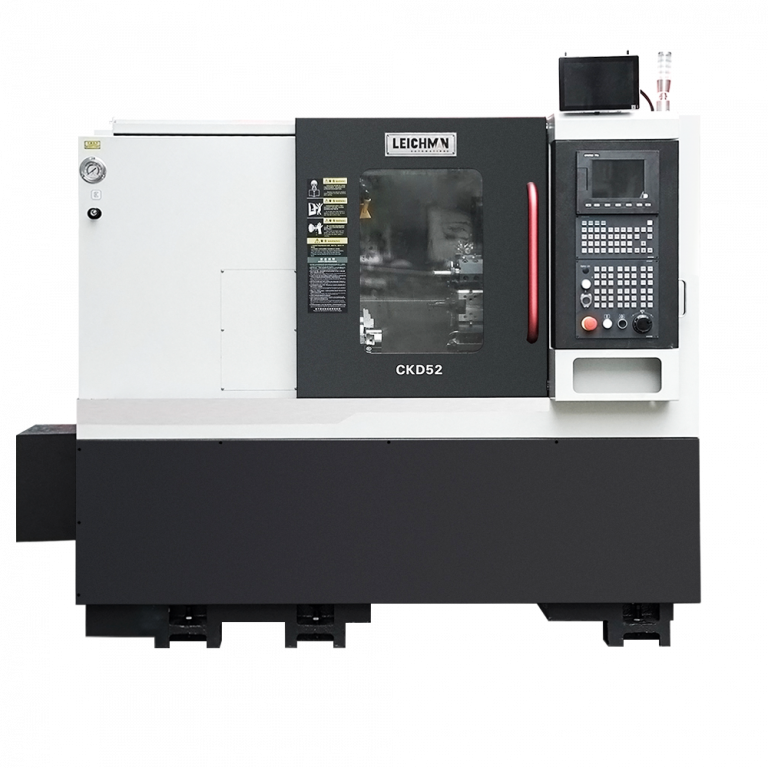
To set the scene: a mid-sized shop I consult with tracked scrap rates and found a 12% variance tied to setup and toolpath strategy, not the machine brand. That’s significant; it eats margins and morale. So the question I keep asking clients is simple: are you buying the right machine, or the right outcome? This piece unpacks what suppliers often omit, and what you should press them on next.
I’ll be clear: I believe many decision-makers over-focus on advertised spindle speed and ignore practical factors like backlash, toolpath optimization, and service responsiveness. We’ll walk through concrete issues, technical explanations, and practical evaluation metrics you can use. Expect direct observations, a little opinion, and hands-on advice—because I care about avoiding expensive mistakes. Now—let’s dig into the hidden layers that actually determine performance.
Part 2 — The Hidden Flaws of Traditional Solutions
cnc milling machine for sale is a tempting search phrase, and I get why buyers click it first. But let me break down what “spec chasing” misses: traditional buying focuses on peak spindle speed, advertised axis travel, and price. In practice, accuracy depends on stiffness, servo tuning, and how the controller handles toolpath interpolation. Those are the real levers. Look, it’s simpler than you think — but only if you test for it.
Start with backlash and structural stiffness. A machine with minimal backlash but poor spindle bearings still won’t hold tolerances across long runs. Then look at CAM-to-control handoff: if your toolpath optimization is naïve, you’ll create unnecessary dwell and re-acceleration, which wears components and slows cycles. I always advise shops to instrument initial runs (measure vibration, check axis temperature) — you’ll surface problems fast. Also watch power converters and servo motors: inconsistent power delivery creates micro-steps that kill finish quality. These are technical details, yes, but they make the difference between a happy customer and returned parts.
What’s the most common oversight?
We underestimate the human-machine interface. Training on fixturing, climb vs. conventional milling strategy, and cutter selection often lags equipment purchases. You can buy the best spindle, but if operators don’t understand proper feeds and speeds relative to material and coating, you’ll still get rejects. — funny how that works, right?
Part 3 — New Principles and Where the Industry Is Headed
Now let’s look forward. I prefer discussing new technology principles rather than hype. Edge computing nodes that run predictive analytics at the machine, combined with adaptive control loops inside the CNC, are changing outcomes. When a cnc milling company ties vibration monitoring, thermal drift compensation, and tool-life prediction together, uptime and part consistency improve measurably. I’ve seen shops cut setup times by 30% just by adding closed-loop probing workflows and smarter toolpath strategies.
There’s also the shift to integrated CAM/CNC ecosystems. Rather than exporting generic G-code, modern workflows embed material models, cutter geometry, and coolant strategies so the controller can make on-the-fly adjustments. This reduces scrap and extends tool life — and yes, it changes how you evaluate vendors. So when you compare suppliers, look beyond horsepower and travel; ask about their software, retrofit pathways, and data APIs. These things compound over time — trust me.

Real-world Impact?
In a recent pilot, a client combined adaptive CAM with spindle-monitoring and saw surface-finish variance drop by half within three production runs. The investment paid back via less rework and fewer expedited shipments. Small bets on systems integration yield outsized returns — they also change supplier relationships from transactional to collaborative. — surprising, but true.
Closing: How I Recommend You Evaluate CNC Offers
I’ll leave you with three practical evaluation metrics I use with clients when choosing machines or partners. First, measure controllable repeatability under load: run a representative part and capture dimensional drift over 50 cycles. Second, evaluate data maturity: does the vendor provide APIs, edge computing support, and actionable diagnostics? Third, check lifecycle service model: are firmware updates, spindle rebuilds, and sensor calibration included or add-ons? These metrics predict long-term performance better than spec sheets.
We’ve covered hidden flaws, practical fixes, and future principles. My perspective is straightforward: prioritize systems and people, not just horsepower. If you want a partner who understands that mix, start asking the right questions today. For resources and to discuss specific machine types, consider reaching out to Leichman — they’re often part of the conversations I have with shops about realistic outcomes.