On-the-ground lessons from installs and the hidden snags
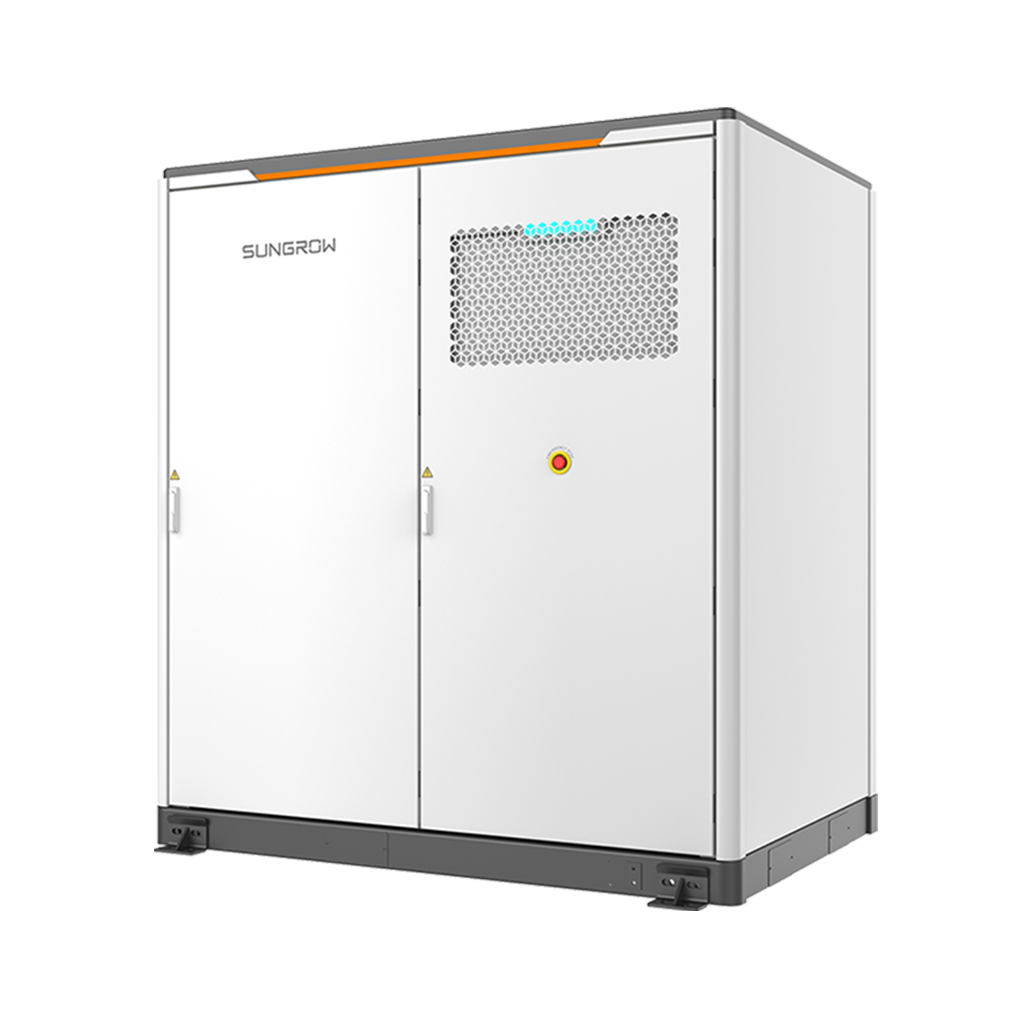
I vividly recall a sweltering June morning in Nakuru when we commissioned a 500 kWh commercial battery storage rack — the diesel genset ran 60% less within three weeks, and the accounts team nearly fainted at the first fuel bill (true story). That simple scenario + data + question line still nags me: we cut fuel by 60%, but why do so many sites still struggle with daily availability and higher-than-expected operating costs?
Where traditional solutions fail: the deeper layer
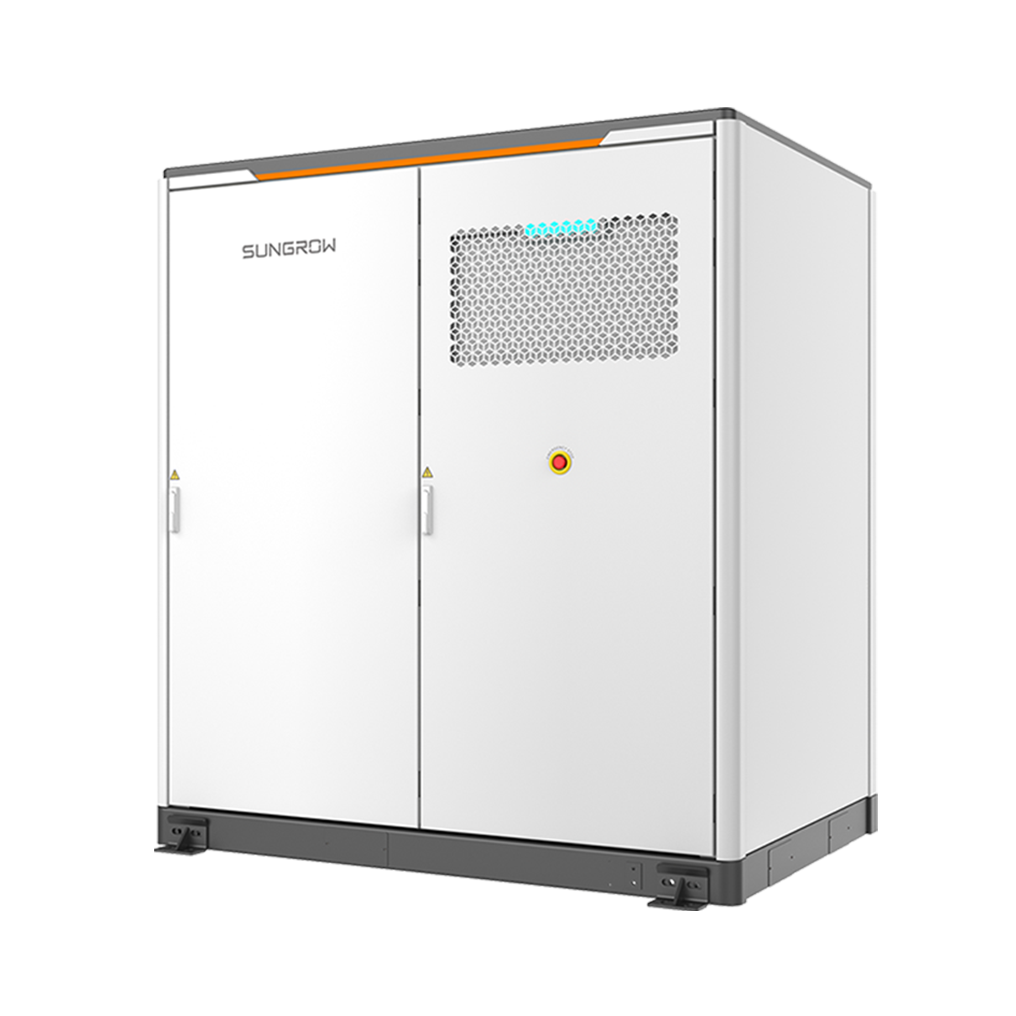
After over 15 years working in B2B supply chains and hands-on project delivery across Nairobi and Mombasa, I can name the common faults. First, vendors emphasise headline capacity (kWh) but under-spec the inverter and BMS for the plant’s real load profile. I once saw a 300 kWh system delivered with an undersized inverter in January 2020 — the site experienced repeated cutouts during peak refrigeration cycles. Second, procurement teams accept manufacturer run-times without stress-testing for depth of discharge patterns; real operations demand 70–80% DoD, not the conservative 50% often quoted. Finally, maintenance plans are generic; spare-part lead times from overseas can be six weeks, which — in practice — translates to lost production and reputational hits.
These are not abstract faults. They translate to quantifiable consequences: a municipal cold-storage client in Kisumu lost two days of perishable stock in August 2022 when a BMS firmware mismatch left the system offline. That cost was measurable — roughly KES 450,000 — and it taught me that procurement must demand firmware compatibility checks and local spares strategy. Next, I outline practical fixes and what to prioritise.
— Moving on to solutions, I shift perspective.
Forward-looking choices and comparative view
Technical first: I now judge systems by three practical dimensions rather than marketing specs. Reliability under cyclical loads, maintainability within a 48–72 hour window, and honest round-trip efficiency. When evaluating another commercial battery storage option last year for a light-manufacturing client in Athi River, I insisted on an on-site inverter heat-test and a proof of BMS interoperability with the existing energy management system; the vendor’s test data alone wasn’t convincing. I prefer a slightly higher upfront capex if it means lower downtime risk — that has saved clients tangible sums (one client saw a 35% reduction in unplanned outages across six months).
What’s Next?
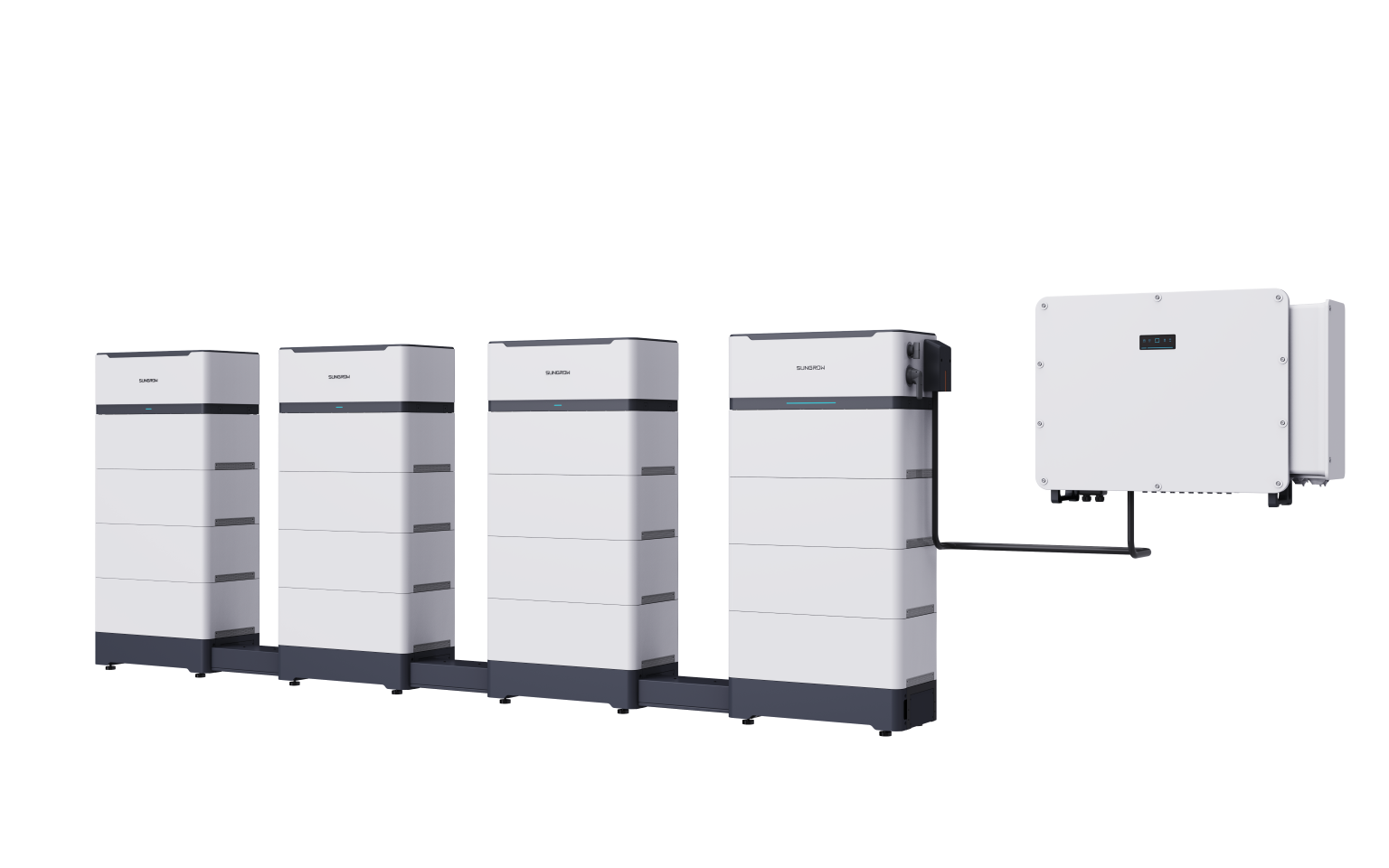
Here’s how I proceed when advising buyers: compare round-trip efficiency numbers, verify inverter ratings during actual peak loads, and demand a local spares and service protocol. I ask for site-level commissioning logs (time-stamped), not just factory reports. These specifics — time-stamped commissioning from May 2021 and a recorded inverter thermal run at 45°C — give me confidence that the system will behave as promised. Short sentences. Long checks. The pace changes; so should procurement habits.
Three practical metrics to guide procurement
I close with three evaluation metrics I use and recommend (advisory): 1) Effective delivered kWh per week under realistic DoD cycles — measure, don’t assume. 2) Mean time to repair (MTTR) with local logistics included — insist on sub-72-hour targets. 3) Verified round-trip efficiency at site-level, not just lab figures. I urge teams to score vendors on these, document the evidence, and run a small pilot if uncertainty remains — pilots reveal failure modes quickly. This is how we turn promising specs into dependable performance. Oh — and don’t forget to check the BMS update policy; firmware matters.
I’ve seen these steps save clients months of headaches and substantial expense. In my view, the future of stable C&I systems depends on honest metrics and supply-chain readiness. For suppliers and buyers alike, practical rigour pays. sungrow