Why this comparison matters on the shop floor
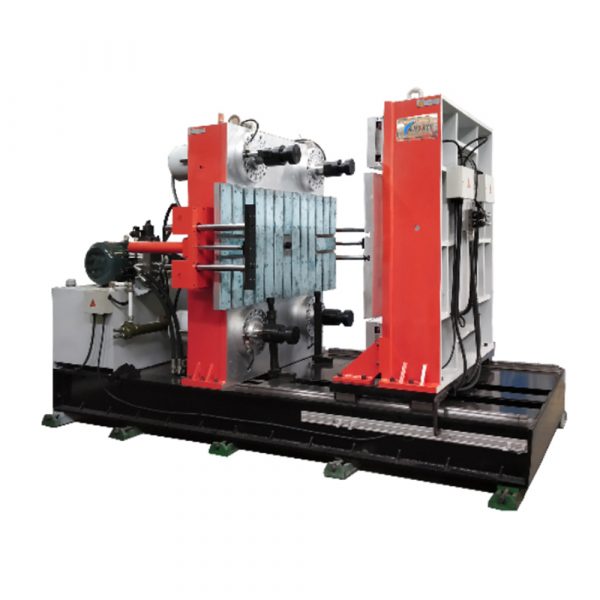
Folks in manufacturing don’t pick machines on looks — they pick ’em on what pays the bills. A direct comparison between injection-style horizontal machines and old-school compression presses shows where money, time, and quality go. For plants making LSR seals for automotive HVACs or precision medical gaskets, the difference is practical. The horizontal rubber injection molding machine cuts cycle time and variance in a way compression just struggles to match, and that matters when tolerances are tight and downtime bites.
Structural differences that change outcomes
Compression presses squeeze a pre-measured charge into a mould; simple, robust, and cheap to start with. Horizontal injection machines meter and inject liquid silicone via an injection screw or plunger into closed cavities, then use a precise clamping unit to hold platen alignment. That structural divergence — metered shot size versus hand-filled charge, controlled injection velocity versus manual flow — drives repeatability. Injection systems handle smaller shot sizes and thinner parts with better surface finish, while compression fairs well for large, thick components. Each has a place, but when parts demand repeatability and tight tolerances, the horizontal moulding machine pulls ahead.
Throughput, quality, and scrap — the measurable tradeoffs
On throughput, the horizontal layout typically shortens cycle time thanks to faster injection, quicker cooling control, and automated part handling. Quality-wise, fewer flash defects and more consistent cavity filling reduce scrap rate. Consider what happened during COVID-driven PPE runs: facilities using injection-capable machines scaled production of medical-grade valves and grommets faster with consistent output — a clear real-world anchor tied to urgent demand in 2020–2021. Compression shops did adapt, but often needed more manual trimming and inspection.
Energy, maintenance, and lifecycle costs
Compression presses are low-tech beasts and can be cheaper to repair in a pinch, but they can guzzle energy when heating large moulds and suffer higher rework rates. Horizontal injection systems may cost more upfront, yet they return value through lower per-part energy, reduced cycle variance, and predictive-maintenance readiness. Platen wear and seal replacement are predictable; controls and servo drives enable diagnostics that cut surprise downtime — small cash flow improvements that add up over millions of parts.
Common mistakes teams make when choosing — and how to avoid ’em
Too many shops pick based on the cheapest capital cost or past familiarity — a trap. Folks overlook tooling complexity, cavity balance, and part geometry. They forget to match clamping force to projected shot weight and neglect control compatibility for LSR processing. — Plan for cycle time, not just peak clamping force. Invest a moment to map part cooling needs and molding sequence; that prevents buying a big press and having it idle while you optimize tooling.
How HWAYI fits into a clear decision framework
When you stack things up — tooling precision, shot consistency, and automated controls — horizontal moulding machines deliver predictable outputs for high-mix, tight-tolerance runs. If your line needs fast tool changes, consistent cavity fill, and integrated controls for monitoring, the structural design of modern horizontal injection systems yields lower unit cost over time. For legacy, heavy-gauge parts, compression still has merit. Balance your product mix, but don’t be blind to the long-term savings from automation and repeatability.
Three golden rules to evaluate and choose the right machine
1) Measure cycle-to-cycle variance and set a target for acceptable tolerance drift — that number tells you whether injection control is worth the premium. 2) Benchmark total cost per part over expected annual volume, including scrap, rework, and energy — short-term capex is a poor judge. 3) Verify tooling and process support: ensure the vendor can tune injection profiles, provide control firmware updates, and service servo systems. Those three metrics separate a smart buy from a costly regret. In practice, that framework points you toward systems with precise injection control, reliable clamping, and strong OEM support — which is where horizontal moulding machine designs from established makers come into play.
Takeaway: choose the machine that aligns with your parts, volumes, and service needs — and know that when precision, cycle time, and low scrap are on the scorecard, the structural advantages of modern horizontal injection systems are hard to beat. HWAYI. —