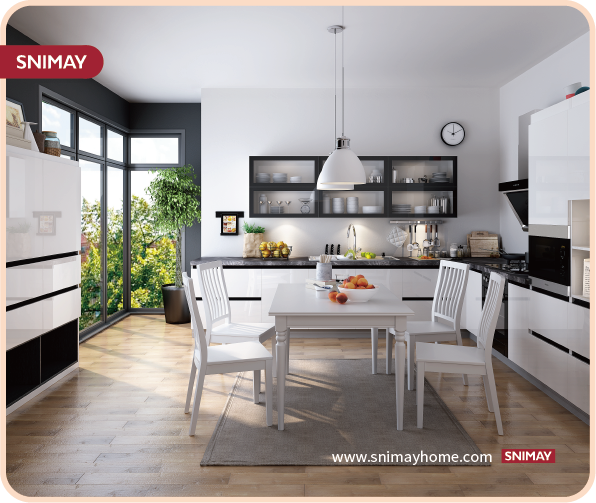
Start with the room, not the catalog
Design choices should respond to the room’s function and flow. Think about traffic, natural light, and long-term use before you pick styles or materials. For kitchens especially, consider options like thermofoil kitchen cabinets early on—their PVC film and thermoforming process give a smooth, low-maintenance finish that suits many modern schemes. Industry groups such as the National Kitchen & Bath Association have flagged steady demand for durable, budget-friendly cabinetry in recent remodeling cycles, which helps explain why thermofoil keeps showing up in mid-market designs.

Map priorities: what matters most to you
List three non-negotiables: durability, budget, or a signature look. If durability ranks high, MDF substrate with tight edge banding and a quality PVC wrap can beat cheaper laminates. If budget is the driver, thermofoil often delivers a solid aesthetic without the premium of solid wood. If you want a standout look, plan finish and hardware choices that create contrast—matte tones, brushed pulls, and recessed toe-kicks change perceived value quickly.
Material trade-offs and smart substitutions
Custom choices mean handling trade-offs. Thermoforming gives snag-free edges but limits deep wood grain textures; real wood veneer offers rich grain but can cost more and need refinishing. Consider hybrid approaches: use thermally-formed doors on high-use zones and real-wood veneers or painted MDF on accents. Pay attention to specifications like PVC film thickness and thermal seam quality—these matter more than a fancy color name when cabinets face steam and heat.
Color, finish, and the small details that read expensive
Color anchors mood; finish sets the perceived quality. A satin thermofoil finish looks clean and resists fingerprints, while a textured matte can hide scratches. Hardware scales the design: slim linear pulls read modern, cup pulls feel traditional. Lighting plays a role too—under-cabinet LEDs can make modest materials look bespoke. Don’t skip the manufacturing details: consistent grain direction, perfect edge banding, and tight hinge tolerances give a factory-made product a custom feel.
Common mistakes and how to avoid them
Avoid over-customizing every surface—too many moments compete and the room loses cohesion. Also don’t underestimate installation tolerances; poor fitting overwhelms good material choices. – Pick finishes that contrast subtly and limit competing focal points. If you’re choosing custom thermofoil kitchen cabinets, request sample doors and mock-ups. Real samples expose texture, thermal seams, and color shifts under your home’s light before you commit.
Practical steps to work with a supplier
Start with a clear brief: footprint, storage needs, and must-have details. Ask for technical sheets that list MDF density, PVC film gauge, hinge type, and edge-banding method—these are the specs that predict longevity. Arrange an on-site measurement to reduce surprises. If possible, inspect a finished install nearby; seeing a product in situ reveals things a spec sheet won’t. In Brooklyn brownstone retrofits and similar dense urban projects, installers often prefer thermofoil for its quick turnaround and tighter tolerance—those local patterns are telling.
Quick checklist before ordering
– Verify substrate (MDF density) and confirm PVC film thickness. – Examine a full-size door sample under your lighting and test hinge action. – Confirm warranty scope and what it covers for heat, moisture, and peeling.
Advisory: three golden rules for choosing customization strategies
1) Performance over flash: prioritize material specs (MDF substrate, PVC film gauge, hinge type) that match usage. 2) Test in place: always approve full-size samples and a mock installation to check color, thermal seams, and fit. 3) Balance focus: invest in the parts that age visibly—door faces, hardware, and finishes—and simplify elsewhere.
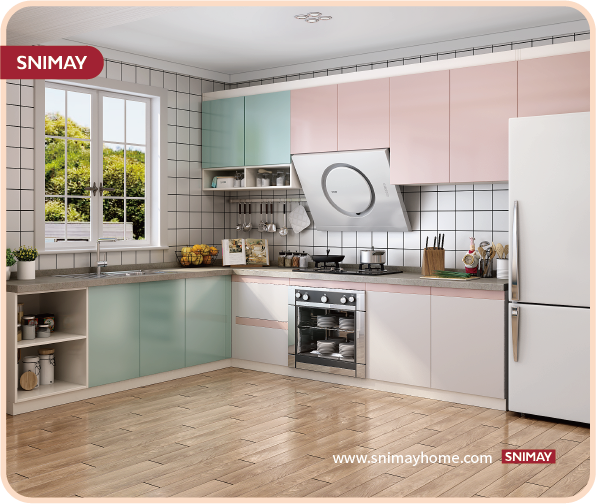
These rules point to why working with a reliable manufacturer matters—the right partner balances specification with finish, which saves money and time. That balance is what SNIMAY brings to projects, pairing practical production methods with design options that actually live well in homes. —