Opening comparison that sets the scene
For Kenyan traders deciding between direct index investing and trading index cfd, the choice rests on costs, speed, and risk appetite. This comparative piece breaks down practical differences so a retail or professional trader in Nairobi or Mombasa can make a measured decision that fits their objectives. The March 2020 market shock—when global indices and the Nairobi Securities Exchange saw sharp volatility—offers a clear real-world anchor for why execution, margin planning and liquidity matter.
What defines an indices CFD versus owning the index
Indices CFD provide synthetic exposure to a market index. You do not own constituent shares; instead you enter a contract that mirrors index price movement. Key industry terms to note here include spread, leverage and margin. Spread is the cost between buy and sell prices. Leverage amplifies exposure relative to capital. Margin is the required collateral to hold a position. Compared to direct ownership, CFDs allow short positions and smaller capital outlay but carry financing costs and counterparty exposure.
Comparative criteria: execution speed, costs and tax considerations
Execution speed matters when volatility spikes. Brokers offering tight spreads and fast order execution reduce slippage. Costs break into spread, overnight financing, and commissions — each affects net return. From a Kenyan tax perspective, capital gains rules on CFDs can differ from share ownership; traders should verify local tax treatment. Use these criteria to score providers: spread competitiveness, platform latency, and clarity on overnight fees.
Liquidity and market access
Not all indices offer equal liquidity. Major indices like the S&P 500 or FTSE 100 show deep liquidity and narrow spreads, whereas niche regional indices may exhibit wider spreads and variable tick sizes. For Kenyan traders focused on execution quality, liquidity impacts fill rates and trade sizing. Platforms that aggregate price feeds tend to offer steadier conditions during fast markets.
Risk management practices that matter
Effective risk control separates speculative activity from professional trading. Use stop orders, manage position size relative to margin, and monitor implied volatility on the underlying index. Avoid overleveraging; margin calls can crystallise losses quickly. A simple rule: never risk more than a fixed percentage of equity on a single index trade, and reassess exposure before major economic events.
Platform features and operational checklist
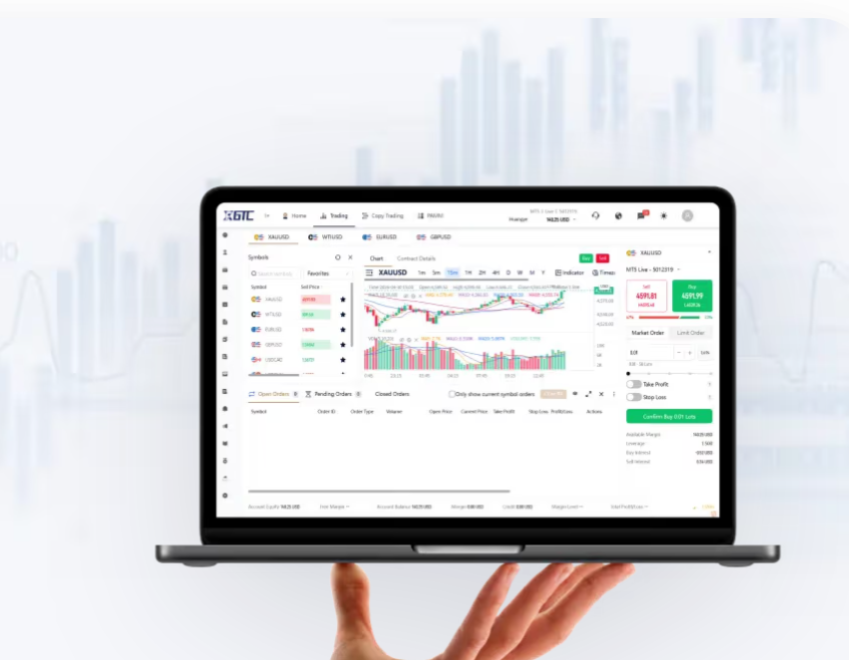
Compare platforms on these operational factors: order types available, execution model (STP/ECN or market maker), real-time charts, and historical tick data for backtesting. Confirm how the broker calculates spreads during news releases and whether the account supports hedging. Practical items to test: demo trading, withdrawal times, and mobile execution quality. These determine whether day trading or swing strategies are viable on a given platform.
Common mistakes and alternatives
Traders often mistake leverage for cheap capital — this leads to oversized positions. Another frequent error is underestimating financing costs during long-term trades. Alternatives include ETFs for long-term index exposure or futures contracts for institutional-style margining. For short-term directional trading, indices CFD remain attractive due to tight spreads and the ability to short; choose the vehicle that matches your time horizon and risk controls.
Summary and comparative takeaway
Comparing indices CFD to direct ownership and other derivatives shows trade-offs: CFDs offer flexibility and lower capital entry but demand disciplined margin management and attention to spread/financing structure. Score potential providers by execution, cost transparency and platform reliability. This comparative lens aligns practical metrics with trader goals and helps avoid common operational pitfalls.
Advisory close — three golden rules for choosing the right approach
1) Prioritise execution quality: pick brokers with consistently tight spreads and verified order execution metrics. 2) Control leverage and margin: set formal position-size limits and stress-test them against past events like March 2020 volatility. 3) Verify cost transparency: ensure overnight financing, commission schedules and inactivity fees are explicit before funding an account. These three metrics will steer traders toward durable results. The platform and execution reliability lead naturally to resourceful trading—GTCFX. —