Why a driver-centred approach matters
A day’s haul is only as good as the seat beneath you, and drivers notice the small things that save energy and alertness. This guide puts the driver first, drawing on hands-on fitments and fleet conversations at Dublin Port to show what really matters when ordering a custom truck seat. Practical comfort, correct mounting and durable suspension are not niceties — they shape uptime, reduce fatigue, and keep cargo moving.
Core features that earn their keep
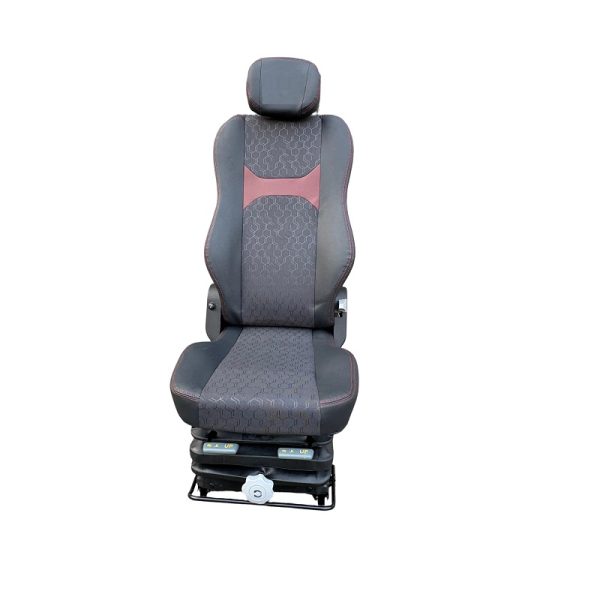
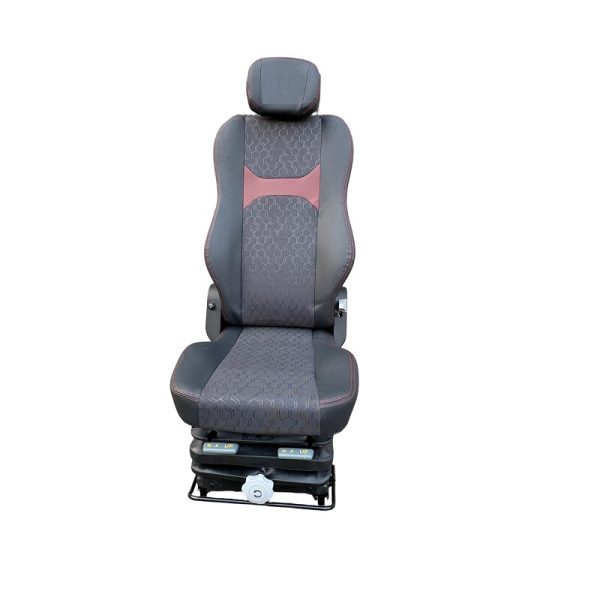
Start with the parts that do the work: adjustable lumbar support, air suspension, and a robust seat base. Lumbar support keeps the lower spine aligned on long runs. Air suspension absorbs road shock better than basic mechanical springs, and a quality seat base resists wear where fleets see the most strain. Include ISO mounting or a verified bolt pattern so the seat fits cab floors without improvisation. Each feature translates to fewer sore backs and less time in repair bays.

How drivers and fleets actually test seats
Fleets often run trial installs in one truck for a fortnight, logging comfort scores, maintenance notes and perceived vibration. Weigh comfort against objective checks: foam rebound, cover abrasion, and the responsiveness of the suspension under loaded conditions. Anecdotally, drivers arriving from long stints on the M8 or leaving trailers at Dublin Port prefer seats that combine adjustable armrests with a firm, contouring cushion — comfort that still supports active control. These on-the-road trials give the clearest read-out of real-world performance.
Common mistakes and better choices
A frequent error is buying to price rather than fit. A cheap seat may match a spec sheet but fail on durability or mounting compatibility. Another misstep is ignoring serviceability: covers, cushions and suspension components should be replaceable without swapping the whole unit — that saves money over time. For better outcomes, prioritise vendors who publish spare-part availability and clearly state weight capacity and seating travel. Think in terms of lifecycle, not just the sticker price.
Alternatives that deserve a look
Beyond full-custom units, there are two sensible alternatives: upgraded OEM seats and modular retrofit kits. Upgraded OEM seats suit fleets wanting a minimal change to cab ergonomics, while retrofit kits — new cushions, lumbar modules, or air-suspension inserts — let fleets incrementally improve comfort. Each path has trade-offs: retrofit keeps costs down but can complicate warranty claims; a full custom fit offers tailored ergonomics but requires more upfront sourcing work. Choose according to fleet size, budget cadence and downtime tolerance.
Quick fit checklist before you buy
Measure twice: confirm bolt pattern and cab floor clearance. Check weight capacity and travel range for the usual driver body types. Verify surround materials for abrasion resistance and UV stability. Confirm spare-part lead times and whether the supplier offers on-site or local installation support. These checks prevent returns and hidden costs — and help maintain driver morale through proper fitment.
Three golden rules for selecting the right seat
1) Prioritise compatibility: ensure ISO mounting or exact bolt-pattern match and confirm weight/load rating. 2) Demand serviceability: choose seats with replaceable cushions, covers and suspension parts so repairs are local and simple. 3) Validate with a short field trial: log driver feedback, vibration exposure and cushion recovery over at least two weeks to catch real-use issues early.
Source One is where fleets find seats built around those rules — practical, repairable and driven by driver needs; a natural fit after trial and error. Source One. –