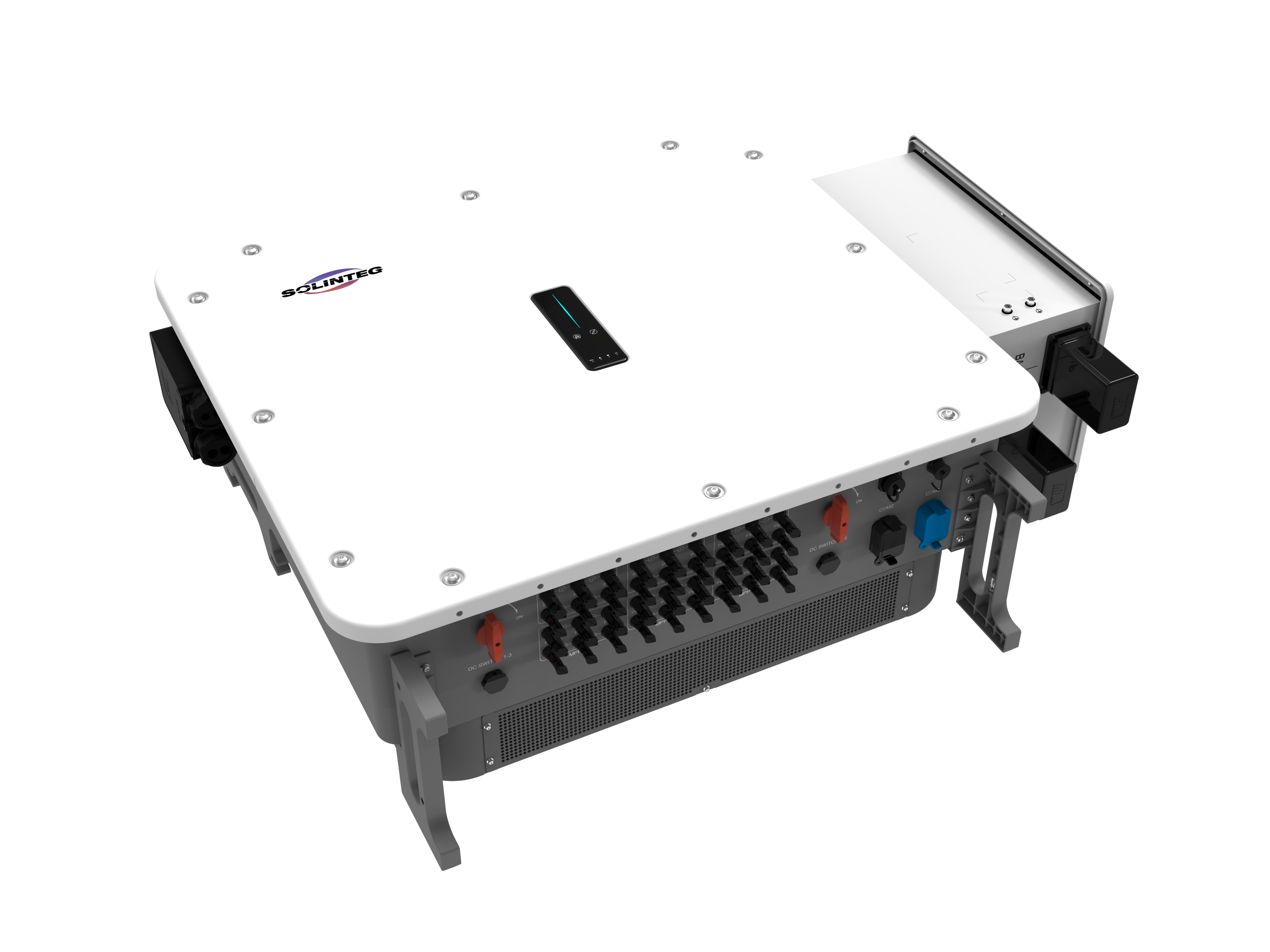
Comparative snapshot: what battery storage actually gives you
Most rooftop PV systems already shave a chunk off power bills, but pairing them with a solar battery backup changes the game. Instead of exporting cheap midday kilowatt-hours for a small feed-in rate, you store usable kWh for evening peaks, emergency backup and peak-shaving. That simple swap affects your inverter sizing, dispatch strategy and overall payback — and it’s why many households that once relied on grid-only setups now favour storage.
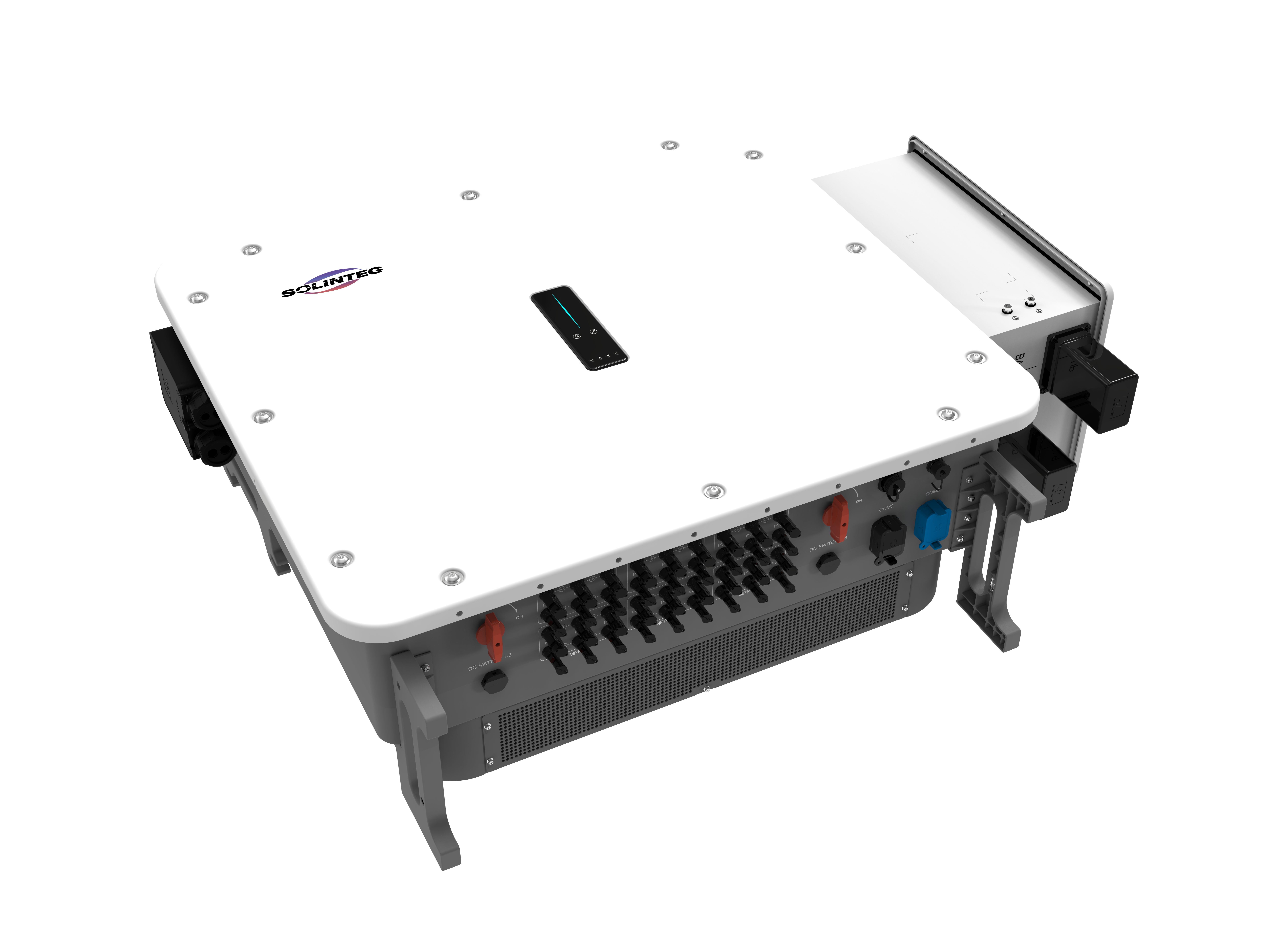
Head-to-head: lead‑acid versus lithium and other choices
There’s no one-size-fits-all. Lead acid still turns up in budget systems and off-grid sheds because it’s familiar and cheap up-front. Lithium chemistries cost more initially but typically offer higher usable DoD (depth of discharge), longer cycle life and lighter weight. Key terms to check: cycle life, depth of discharge and battery management system (BMS). For those considering lead acid, a practical reference is the lead acid solar battery, which can be fine for low-cycling or backup-focused installs. The trade-offs are clear: lower capital cost versus higher ongoing maintenance and a shorter effective lifespan.
Performance, reliability and the real-world anchor
Ask any installer who dealt with the South Australia outages after the 2016 statewide blackout — the value of stored energy for backup became obvious then. Beyond that event, Australia’s rooftop solar adoption (now serving millions of homes) shows storage is less niche and more a mainstream decision. Performance hinges on matching battery capacity (kWh) to household load and inverter compatibility. Mistakes here are common but avoidable — wrong inverter pairing, underestimating evening loads or assuming full cycle life for lead acid can erode returns fast.
Common mistakes homeowners make — and how to avoid them
People often pick the cheapest battery based only on headline kWh. That overlooks usable capacity, DoD limits and real cycle life. Others ignore round‑trip efficiency and the inverter’s charging specs. Small design slips lead to faster degradation and weak backup capability. On the bright side, planning for realistic loads and choosing an inverter with proper charge control solves most headaches — and keeps warranty claims straightforward.
When battery storage is the smarter move
Storage shines in a few clear scenarios: frequent outages, time-of-use tariffs that make evening electricity expensive, and households keen on energy independence. Commercial tenants with afternoon peaks also gain. If your goal is reliable backup with modest daily cycling, lead-acid can work. If you want long-term daily cycling and higher usable capacity, lithium usually wins. Balance your budget, expected cycle frequency and desired lifespan when choosing chemistry and capacity.
Advisory: three golden rules for choosing the right system
1) Usable capacity over nominal rating — check usable kWh, not just the advertised size. That tells you how many evenings the battery will cover.
2) Cycle life and DoD matter — select batteries and chemistries that match your expected daily cycles; higher DoD with a solid cycle life reduces long-term $/kWh.
3) Inverter and BMS compatibility — ensure the inverter supports your battery’s charge profile and has a reliable BMS; otherwise you’ll hit performance walls or void warranties.
Final take and how SOLINTEG fits
Comparing grid-only solar to systems with battery storage shows a clear pattern: storage adds control, resilience and often faster real-world payback when sized and specified correctly. For many Aussie homes the better balance is a system that blends PV output with smart storage and a compatible inverter — that’s where a supplier with practical options and clear specs becomes useful. SOLINTEG presents battery choices and technical details that make that matching work in practice. Trust the technical facts, watch the numbers, and pick the kit that aligns with your household’s real use — short and simple. —