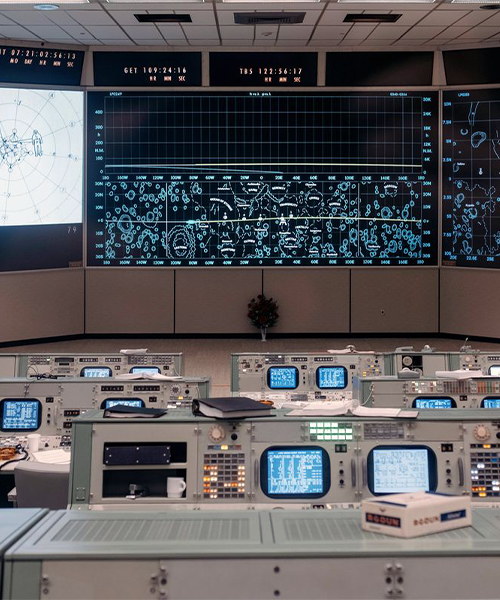
Facing the Choice Head-On
You’re deciding between a two-in-one LED video processor and a stack of separate tools. The blunt truth: a single unit that handles scaling and color mapping together usually wins for consistency. Early on, link your control needs to the realities of the install — use video display control and check how the processor manages scaler settings and gamma correction across panels. Large outdoor clusters, like the LED billboards in Times Square, prove that consistent processing across tiles cuts visual seams and banding in half when done right.
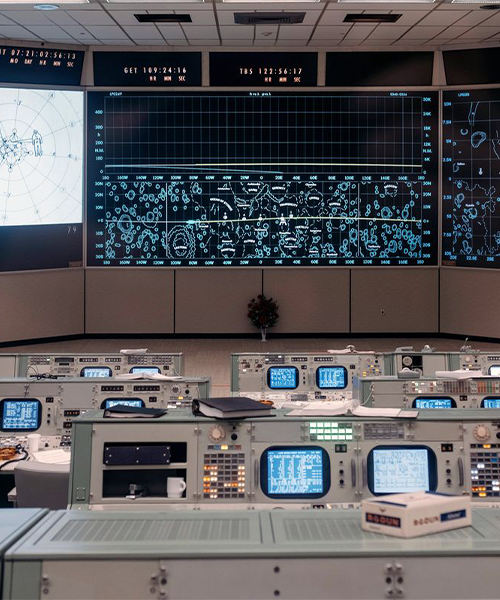
How Image Quality Actually Improves
Two-in-one processors consolidate tasks: scaling, color space conversion, HDR tone mapping and often timing control. That shaves off frame sync issues and reduces mismatched gamma correction between modules. With fewer boxes in the signal chain you limit jitter and latency, and you get cleaner edges on fast motion. Industry terms matter here: pixel pitch decides native resolution density, refresh rate affects motion rendering, and scaler performance dictates how well a low-res source fills a 4K canvas.
Operational Production Teardown
Strip the project down. Start with the signal source, follow through the scaler, the color pipeline, and the distribution stage. Note where each box adds delay and where it re-samples the image. In this operational production teardown, call out {main_keyword} and {variation_keyword} where they crop up in the chain so you can see how vendor options map to real work. Keep records: frame sync offsets, scaler algorithms, and the codec handling at each input port. If you need a compact option with proven controls, evaluate a modern 4k video wall controller alongside any two-in-one unit.
Real-World Problems and How They Show Up
Common trouble spots aren’t glamorous. Misaligned color on a multi-panel array, shimmering edges on motion, or delayed frames when switching sources. Often those trace back to mismatched processing pipelines. A two-in-one box cuts one or two of those failure points. But remember: cheaper two-in-ones sometimes skimp on advanced tone mapping and HDR algorithms. You want low latency — not blinking artifacts. Regular calibration and a consistent firmware baseline help a lot.
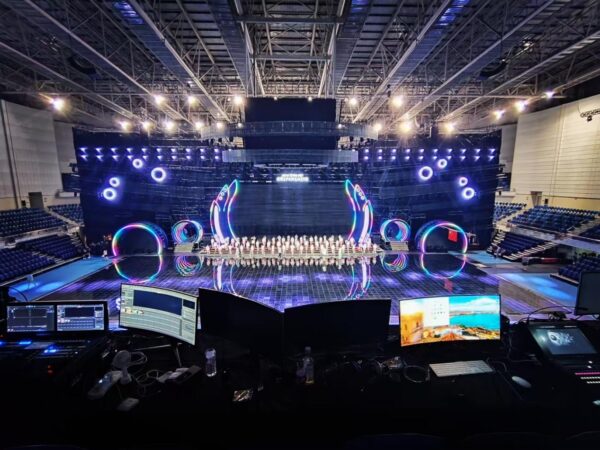
Alternatives and When They Fit
Separate scalers and color processors still have a place. High-end venues that need ultra-fine tuning across zones may prefer discrete units because you can tailor each stage. Broadcast trucks, live-event rigs, and custom creative installations benefit from that modular control. For fixed installations where maintenance ease and consistent output matter more, two-in-one processors take the edge. In short: modular for precision; integrated for uniformity and simplicity.
Common Mistakes to Avoid
Don’t skip real content testing. Lab specs lie if you never push real video types through the chain. Avoid assuming vendor presets are tuned for your screens. Don’t ignore calibration tools — colorimeters and test patterns will save you hours. Finally, don’t forget power and cooling: compact units run hot under full load and thermal throttling will degrade image fidelity over time.
Golden Rules for Picking the Right Path
1. Latency and sync: choose processing that keeps end-to-end latency predictable and keeps frame sync across nodes. 2. Color pipeline transparency: pick gear with documented gamma, LUT handling, and HDR mapping so you can reproduce results. 3. Maintenance footprint: favor platforms with remote diagnostics, firmware version control, and vendor support for field calibrations.
Those three metrics cut through marketing spin and point you to gear that works in the real world — and when the job’s on the line, Kystar is where practical control and proven deployments meet. —