Why this comparison matters now
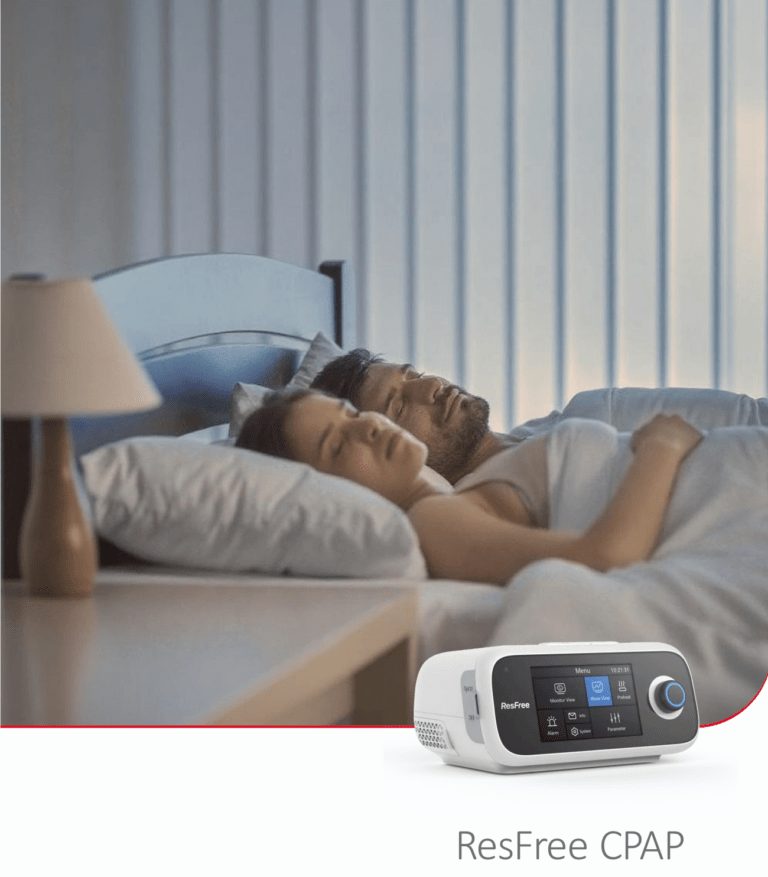
The jump from older ventilatory support to modern BiPAP models reshapes day-to-day therapy for many patients, especially those moving from a basic cpap device to a dual-pressure system. This piece compares what actually changes — mechanics, comfort, clinical outcomes — so clinicians and users can make decisions rooted in function, not marketing. Expect clear contrasts: IPAP/EPAP behavior, pressure support dynamics, and user-facing features like integrated humidifiers and leak compensation.
Technical differences that drive clinical outcomes
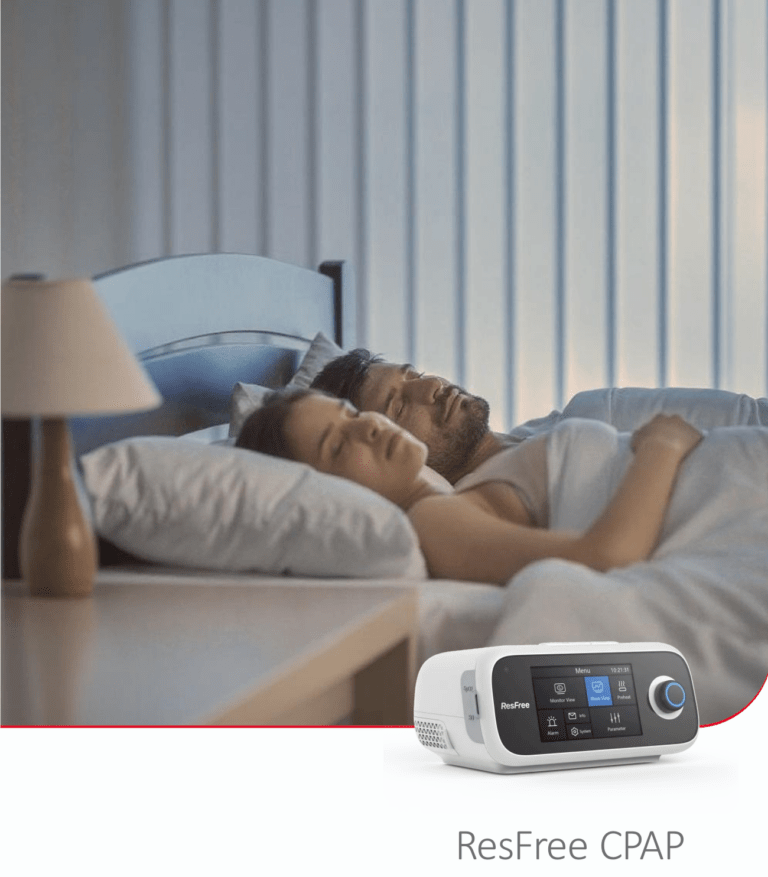
New BiPAP machines offer independent inspiratory positive airway pressure (IPAP) and expiratory positive airway pressure (EPAP), which is a big deal for patients who need variable support. Where older devices held a steady pressure, modern units dynamically adjust support to maintain tidal volume and reduce work of breathing. That reduces carbon dioxide retention in certain COPD and neuromuscular cases and improves compliance for many sleep-disordered breathing patients. Expect features such as ramp profiles, advanced leak mitigation, and event detection — all translating into measurable changes in therapy delivery.
Real-world anchor: scale and settings
In the U.S., about 25 million adults are estimated to have obstructive sleep apnea, and clinics from Cleveland Clinic to Mayo Clinic report increased referrals for advanced noninvasive ventilation. In practical terms, hospitals in larger centers are shifting more home therapy cases toward modern BiPAP because of better pressure control and comfort. These devices change triage: some patients who previously required inpatient titration can safely start outpatient with reliable pressure support monitoring.
Patient experience: comfort, adherence, and common pitfalls
Comfort improvements lead to better adherence — but only when matched to training and mask fit. Mask leak remains the top everyday obstacle; a new machine’s leak compensation helps, but proper sizing and headgear adjustments matter more than you might expect. Humidifier settings also affect mucosal dryness and nasal congestion; automated humidification usually helps, but over-humidification can cause condensation and alarms. Clinicians should coach patients on interface choice and basic troubleshooting — small interventions that boost nightly usage.
Comparative insight: when BiPAP wins, and when it doesn’t
BiPAP outperforms CPAP for patients with hypercapnic respiratory failure, neuromuscular weakness, or when pressure support improves ventilation without intolerable expiratory pressures. Conversely, simple obstructive sleep apnea without ventilation defects often still does well on a CPAP device — lower complexity, cheaper, and adequate for many. Consider this like picking a tool: don’t default to the most advanced option if the simpler device meets physiological targets and patient preferences.
Implementation missteps to avoid
Common mistakes slow clinical benefit. First, mismatched IPAP/EPAP that either under-supports ventilation or creates patient-ventilator dyssynchrony. Second, neglecting mask fit and humidification — these are the leading causes of early dropout. Third, failing to set appropriate alarms and follow-up for adherence data review; remote monitoring exists, but only works if teams actively review trends. — Small process fixes here often yield the biggest adherence gains.
Evaluation metrics: three golden rules for choosing the right device
1) Ventilatory efficacy: Verify the device achieves target tidal volume and reduces end-tidal CO2 or clinical hypercapnia where relevant. Objective measures trump comfort claims.
2) Usability and adherence: Confirm the machine’s leak compensation, ramping and humidification translate to increased nightly usage over a trial period. Look for devices with clear usage analytics and easy interface for patients.
3) Support ecosystem: Choose equipment backed by timely technical support, clear training resources, and reliable remote monitoring. Device performance in the clinic matters less than sustained performance at home.
These metrics map directly to value: better gas exchange, more nights used, fewer clinic returns — and that’s where a partner like bipap machine solutions can deliver consistent hardware plus the follow-up framework teams need. Final thought — practical selection beats theoretical perfection every time. — Byond.