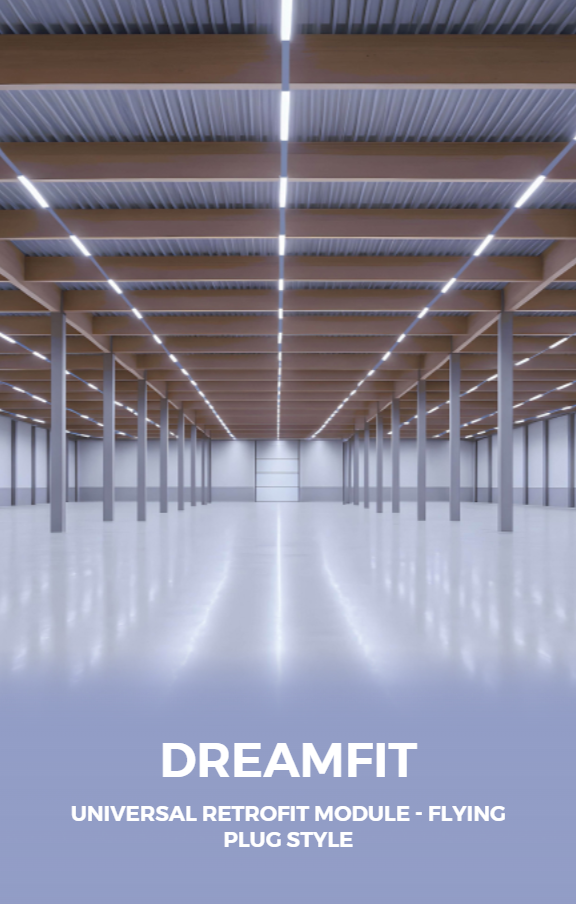
Start Here — What You Actually Need
Aight, keep it simple: what task you do under the light decides the gear. You want crisp light where people read labels, softer color where merch looks right, and durable fixtures where forklifts roam. If you don’t wanna tear up ceilings or swap ballasts, grab a replaceable led module that drops into the old housing and gets you steady light fast.
Common Problems I See
People pick stuff that looks cheap at first and pays for itself later in headaches. Folks blame the bulbs, but it’s usually mismatch, heat buildup, or bad drivers.- Wrong lumen density for the task — too dim for packing, too harsh for a boutique.- Color temp that washes product or makes skin sag.- Mounting that traps heat and shortens life.I spent a year retrofitting fixtures in a Chicago distribution center, swapping old HID troffers for a retrofit luminaire to cut downtime and maintenance. That hands-on run taught me where installers trip up and how the right retrofit solves it quick.
How to Choose — Practical Checklist
Make decisions with these clear checks, one at a time:- Lumen target: match task needs (e.g., 300–500 lux for packing zones, 150–300 lux for storage aisles).- Color temperature: 4000K is a good neutral start for mixed spaces; 3000K for warmer retail mood.- CRI: 80+ for general use, 90+ for color-critical displays.- Thermal path: confirm there’s space for heat to escape; recessed housings need drivers rated for enclosed spaces.- Dimming and controls: pick drivers compatible with the control system you plan to use.- IP rating: choose higher IP for damp or dusty industrial spots.- Installation style: choose true drop-in modules if you want the fastest swap; pick complete fixtures if the ceiling or layout is changing.
Common Pitfalls & Fixes
Don’t let small misses become big costs.- Pitfall: Module physically won’t fit. Fix: measure depth and cutout, test-fit before ordering.- Pitfall: Flicker with dimmers. Fix: match driver dimming curve to the control type.- Pitfall: Early color shift. Fix: choose proven LED packages and check warranty on color maintenance.- Pitfall: Overdriving for higher lumen. Fix: size the driver to rated current; don’t push beyond spec to chase brightness.- Pitfall: Relying on nominal wattage only. Fix: use delivered lumens and lumens per watt to judge real efficiency.
Quick Comparison to Help Decide
Short, practical trade-offs:- Retrofit modules: fastest install, lower labor, keeps existing housing — best when layout stays the same.- Full fixture replacement: better thermal design, longer-term performance, higher up-front cost — best when ceiling or spacing changes.- Replaceable components (modules or drivers): more serviceable long term; pick modular systems if you’ll want future upgrades.
Summary That Actually Helps
Base choices on the work done under the light, the mounting realities, and how often you want to touch the ceiling. Use the checklist, avoid the common pitfalls above, and favor modular parts when you need low disruption and simple upkeep. For parts and modules that matched what I used on site and held up through heavy shift work, I trust trieco.