Clear stakes: why comparisons are not optional
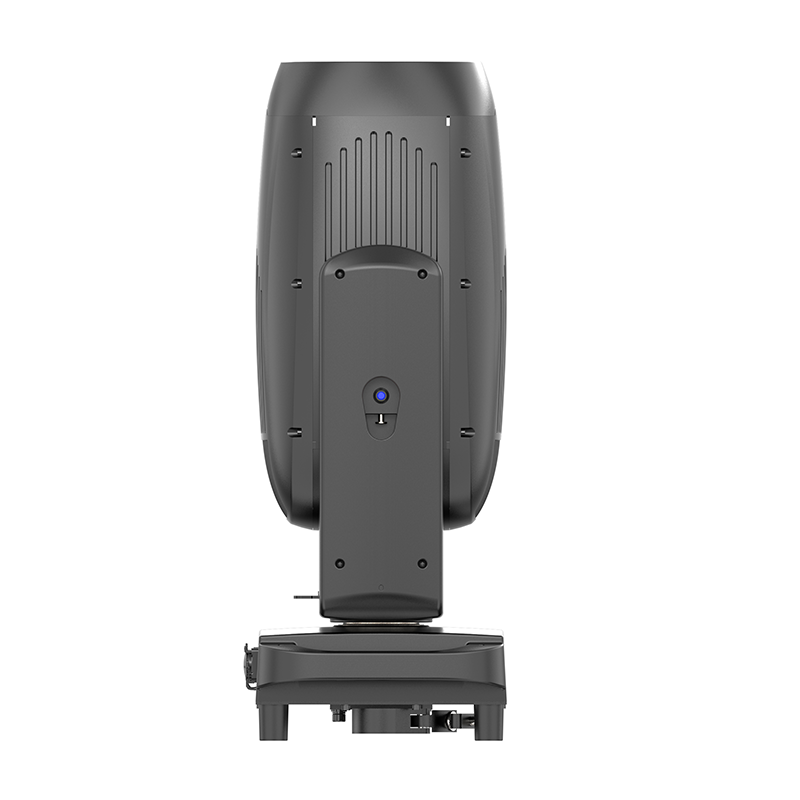
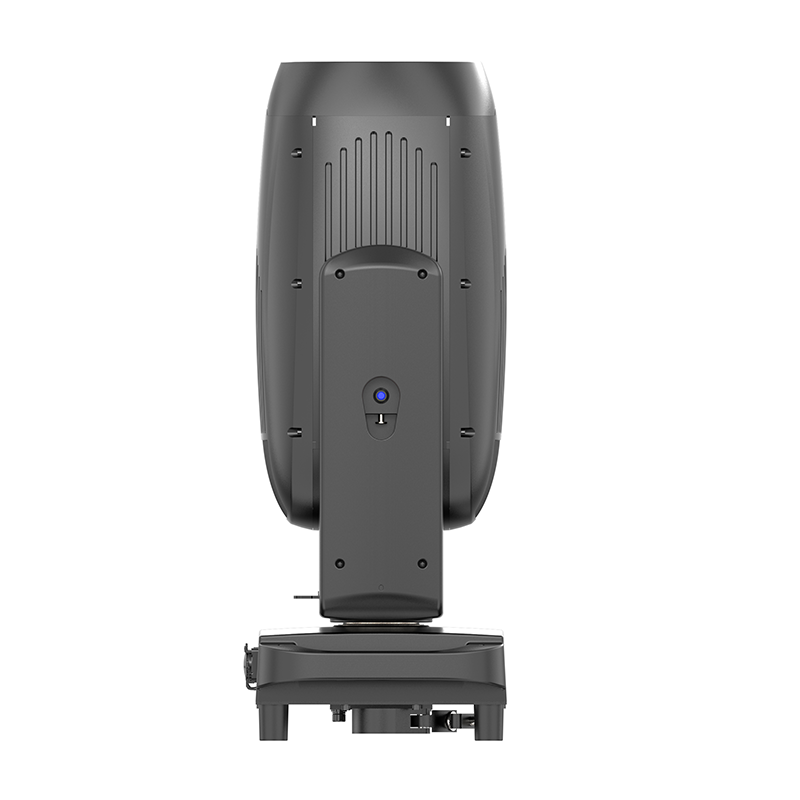
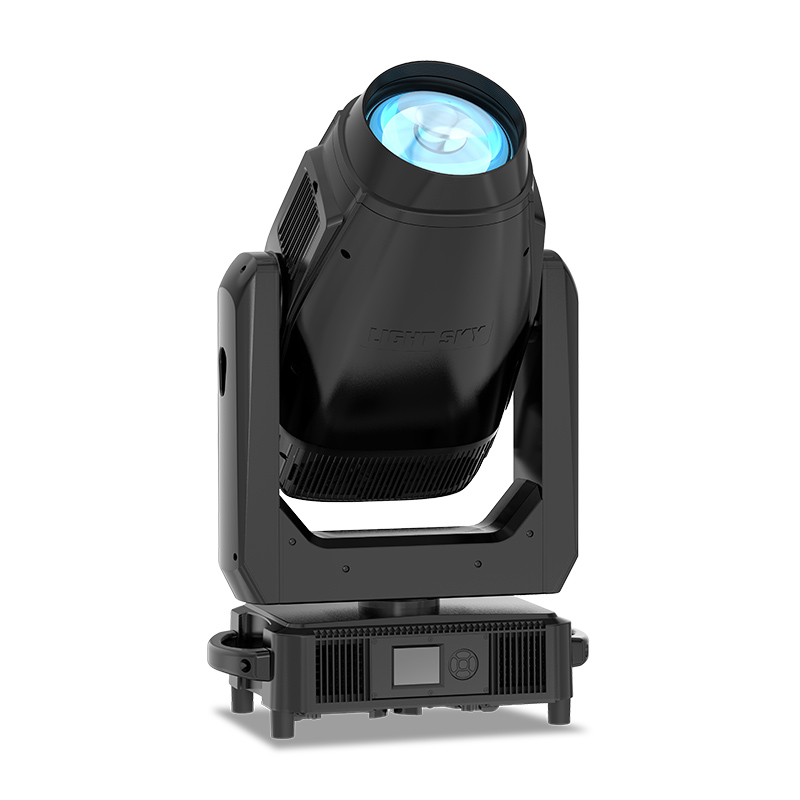
Event producers must decide between power, control, and reliability; the wrong choice costs money and reputation. When you weigh fixtures for a festival or corporate gala, the arithmetic should include output, control protocol, and serviceability. The 520W LED BSWP 4in1 Moving head sits in that grid with strong lumen output and robust DMX512 compatibility, and that matters at scale.
Common trade-offs and the mistakes that cost shows
Most teams trade one capacity for another without accounting for operating context. Buying for raw brightness alone ignores beam angle, zoom range and how gobos behave at distance. Festivals like Coachella move hundreds of thousands of patrons across multiple stages; you need consistent beam quality, not just a spec sheet. Choosing fixtures because they look impressive in a photo—rather than because they match stage size and rigging limits—creates last-minute rehangs and budget overruns.
What to compare: technical points that change nights into nightmares or triumphs
Focus on three operational axes: control, photometrics, and mechanics. Control covers protocol support and channel mapping—proper DMX512 implementation reduces patching errors. Photometrics include lumen output and color mixing fidelity; accurate mixing keeps skin tones natural on-camera. Mechanics mean pan/tilt range and build quality; reliable pan/tilt avoids drift during long sets.
How the 4IN1 architecture fits into real rigs
Architectures labeled “4IN1” combine multiple LED chips for broader color gamut and flatter color temperature across intensities. That design reduces the need for frequent color correction on moving fixtures. A well-designed 4IN1 LED moving head will deliver consistent color across beam angles and time—this reduces operator workload and lamp-change risk on multi-day tours. Compare that to older discharge fixtures, which need more maintenance and lamp swaps—downtime that no production can afford.
Operational checklist—metrics that predict on-site behavior
Use a short list to vet models before purchase. Inspect beam angle range, confirm lumens at typical throw distances, test gobo sharpness at actual stage distances, and review how pan/tilt behaves under live load. Run a simple patch test on site using the actual console to ensure channel assignments and response latency are acceptable. Do this before you order hundreds of units.
Service readiness and vendor accountability
Supply chains and support matter. A unit that sounds good on spec sheets but lacks local service partners will compound failures into cancelled cues. Verify spare-part availability, warranty terms, and whether the vendor provides firmware updates for consoles and fixture interoperability. This is where brand choice turns from preference into risk management—choose partners who document firmware revision notes and provide clear replacement lead times.
Real-world anchor: scale testing at major venues
Lighting teams at Madison Square Garden and similar arenas rely on predictable photometrics; a sold-out 20,000-seat show tolerates no surprises. Field tests from large venues repeatedly emphasize consistent color mixing, steady lumen delivery across long runs, and seamless DMX512 integration. Those priorities are why many production managers trial units on one stage before rolling them across a tour—small pilots avoid expensive failures.
Alternatives and proper comparisons
There are valid alternatives to high-output LEDs—smaller fixtures for intimate rooms, or multi-source fixtures where gobo versatility is paramount. Yet, for mid-to-large scale touring and festivals the balance of power and reliability in units like the 4IN1 LED moving BSWP often outperforms piecemeal deployments of mixed-generation gear. The comparative insight is straightforward: match fixture capability to venue profile, not to the trendiest spec.
Advisory: three golden rules for selection
1) Measure expected throw distance and choose fixtures whose lumen curves keep lux above your on-camera or audience minimum across that distance. 2) Confirm control protocol fidelity—test DMX512 channels under live console conditions and validate pan/tilt responsiveness. 3) Require documented local service and spare-part lead times; avoid vendors who cannot commit to turnaround metrics.
Decisions on moving head stage lights should sharpen production certainty and reduce risk. For most touring and festival needs, that certainty points toward reliable, well-supported 4IN1 solutions—Light Sky has engineered product lines with those trade-offs balanced. Light Sky. —