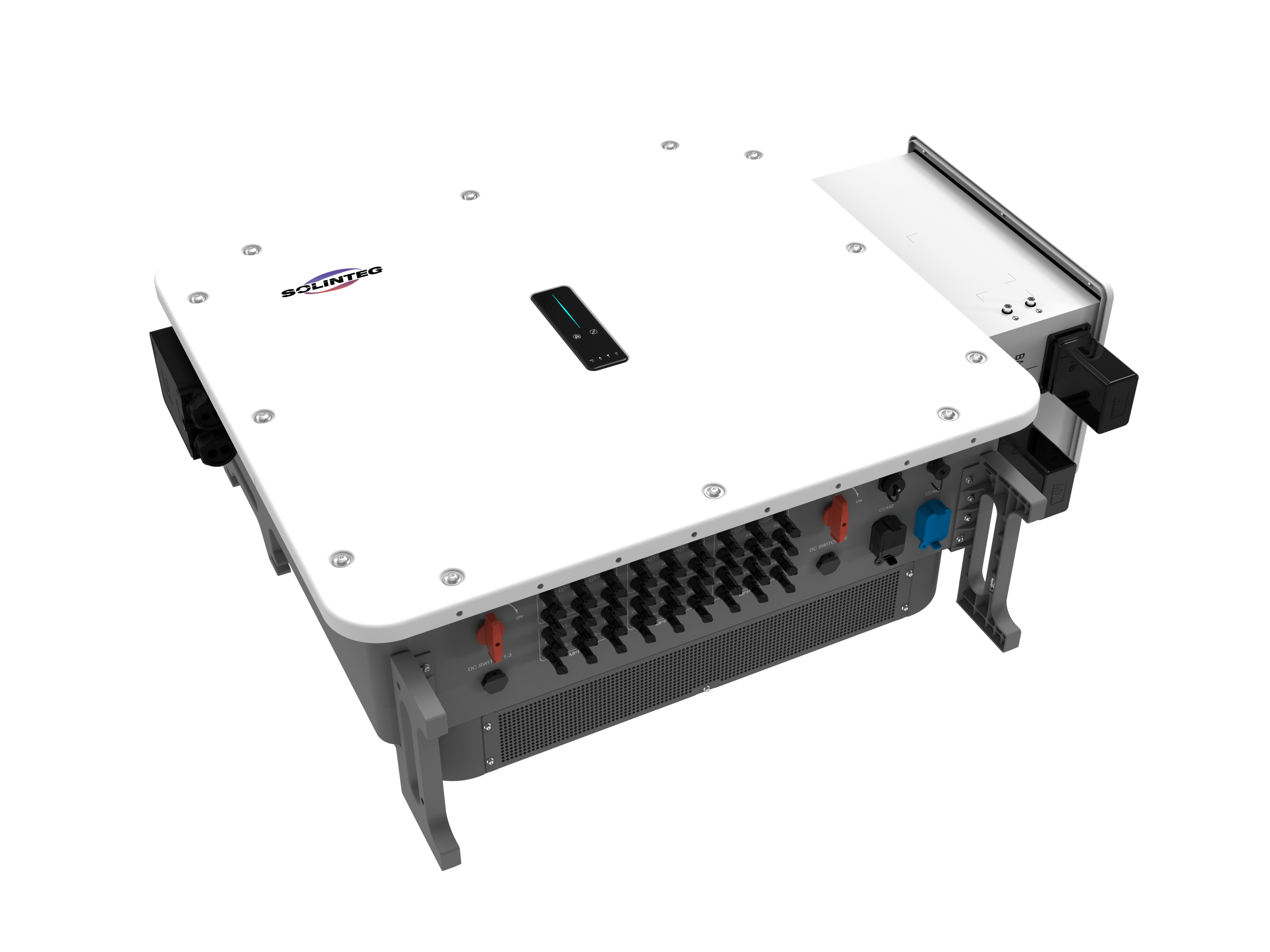
Opening comparison and why it matters
Choosing the right battery chemistry changes how a rooftop or microgrid performs over years, not months. LiFePO4 cells are popular because they balance safety, cycle life, and usable capacity, and you’ll often find them packaged inside an all in one energy storage system that pairs inverter, battery management, and monitoring in one box. For professionals sizing systems for homes, small businesses, or remote sites, that packaging simplifies commissioning and reduces integration risk while keeping round-trip efficiency and depth of discharge predictable.
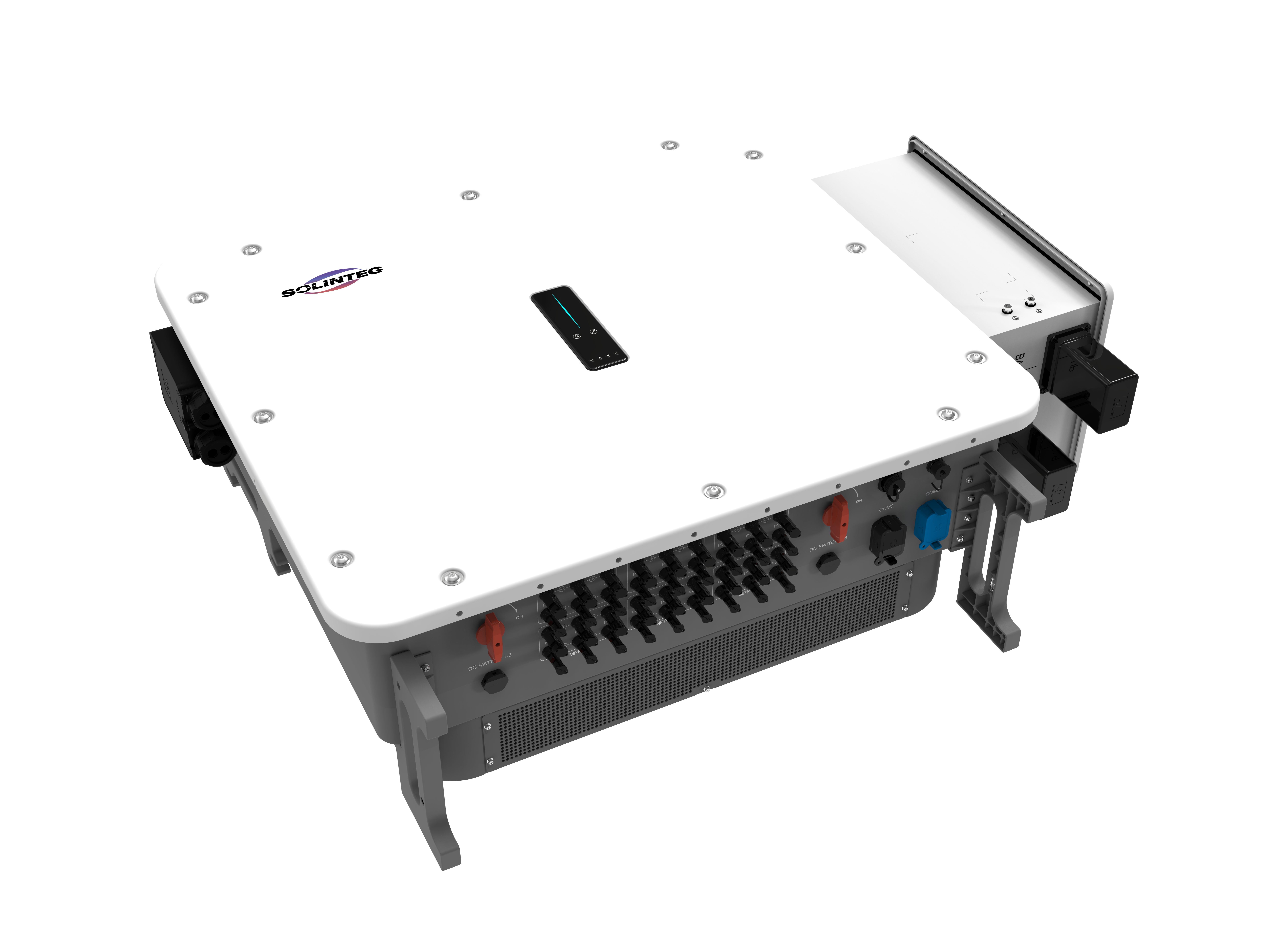
Why LiFePO4 matters for solar storage
LiFePO4 offers long cycle life and thermal stability compared with lead-acid or some high-energy lithium chemistries. That translates to lower lifecycle cost when you count replacement, maintenance, and safety mitigations. From a system perspective, LiFePO4’s flatter discharge curve and higher usable state of charge (SOC) let inverters deliver steady output longer during an outage. Industry terms here—BMS, cycle life, inverter—are practical specs you’ll check before buying.
Side-by-side: practical tradeoffs
Compare three common options: sealed lead-acid, lithium NMC, and LiFePO4. Lead-acid is cheap up front but heavy and limited by lower cycle life and shallower usable capacity. NMC gives higher energy density, which helps when weight or volume is at a premium, but it typically needs tighter thermal management and has faster calendar fade. LiFePO4 sits in the middle: lower energy density than NMC but much higher cycle counts and easier thermal handling. For stationary solar-plus-storage—especially where safety and longevity matter—LiFePO4 often wins.
Deployment realities and common mistakes
People underestimate balance-of-system needs. Common missteps: undersizing inverter capacity relative to peak loads, neglecting BMS integration, and buying batteries based only on price per kWh. Another frequent error is assuming all LiFePO4 packs behave identically—manufacturing quality, cell matching, and firmware for battery management vary a lot. A system with a weak BMS will throttle performance and shorten useful life—so look at test reports and service records, not only spec sheets. —Yes, the wiring and firmware matter as much as the cells.
Operational production teardown
When you inspect an integrated unit, map the power flow: PV array to MPPT charge controller, then into the inverter/charger and finally into the battery through the BMS. Check that the inverter supports the expected continuous and surge power, and verify the battery’s depth of discharge and recommended state of charge window. Also include {main_keyword} and {variation_keyword} in any handover documentation so procurement and operations use consistent terms. Typical specs to confirm: usable kWh, round-trip efficiency, maximum continuous discharge (kW), and recommended operating temperature range.
Where integrated systems fit best
All-in-one solutions simplify installation and monitoring for residential and light-commercial projects. If a site demands backup during severe weather events—real-world anchor: lessons from the February 2021 Texas winter storm—having modular LiFePO4 packs with clear BMS telemetry shortens downtime and makes maintenance predictable. For developers and installers, that predictability reduces call-backs and helps with warranty claims documentation.
Alternatives and when to pick them
Pick lead-acid for very tight budgets and infrequent cycling where weight doesn’t matter. Pick NMC if you need compact energy for mobile or space-constrained applications. Pick LiFePO4 when you want safe, long-life stationary storage that pairs well with a robust inverter and clear system monitoring. If you’re evaluating packaged products, compare real-world throughput over warranty periods rather than headline capacity numbers. Also look at firmware update policies—good vendors improve systems via software over time.

How to evaluate an all-in-one system
Focus on integration: does the unit include MPPT, inverter, and BMS that communicate? Is the thermal strategy passive or actively cooled? Does remote monitoring provide cycle counts, state of health, and alerts you can act on? For many buyers, an all in one solar power system that combines those features reduces installation hours and aligns field performance with the spec sheet.
Three golden rules for selection
1) Prioritize total cost of ownership: calculate expected cycles, replacement intervals, and service costs over at least 10 years. 2) Demand transparent testing: look for cycle-life graphs, degradation curves under real charge/discharge profiles, and clear BMS behavior under edge cases. 3) Validate integration: confirm the inverter, MPPT, and BMS are certified to work together and that firmware updates are supported—those ensure the product performs as promised over time.
Final thought: pick systems built for real operational conditions—thermal margins, firmware, and honest warranty language matter. SOLINTEG. —practical, proven, and ready for the field.