Pin down the actual problem
Your project fails when a supplier treats a spec sheet like a suggestion. You need precise tolerances, defined security features, and verifiable test methods—nothing vague. Start by describing functional modes: carrying, shoulder-to-sling conversion, and luggage-compatibility for a modular backpack so the supplier understands intended uses, not just dimensions.

Write a technical checklist that prevents ambiguity
List materials with grades and sources (e.g., 840D Cordura, YKK zippers with model numbers). Specify seam types, stitch counts per inch, bar-tack locations, and hardware load ratings in Newtons. Define security requirements: RFID-lined pocket with attenuation specification, lockable zippers with tamper-evidence, and attachment points rated for specified dynamic loads. Give exact acceptance criteria and the test method for each item rather than prose like “high quality.”
Vet suppliers as if they’re part of the attack surface
Run capacity checks, compliance audits, and small trial orders before committing. Require supplier documentation: ISO 9001 or equivalent audit reports, chemical test certificates (Azo-free, REACH where applicable), and social compliance evidence. Insist on documented chain-of-custody for critical trims. Use a nondisclosure agreement with clear IP handling and an inspection plan that includes random third-party lab testing.
Validate with real-world anchoring and a working sample
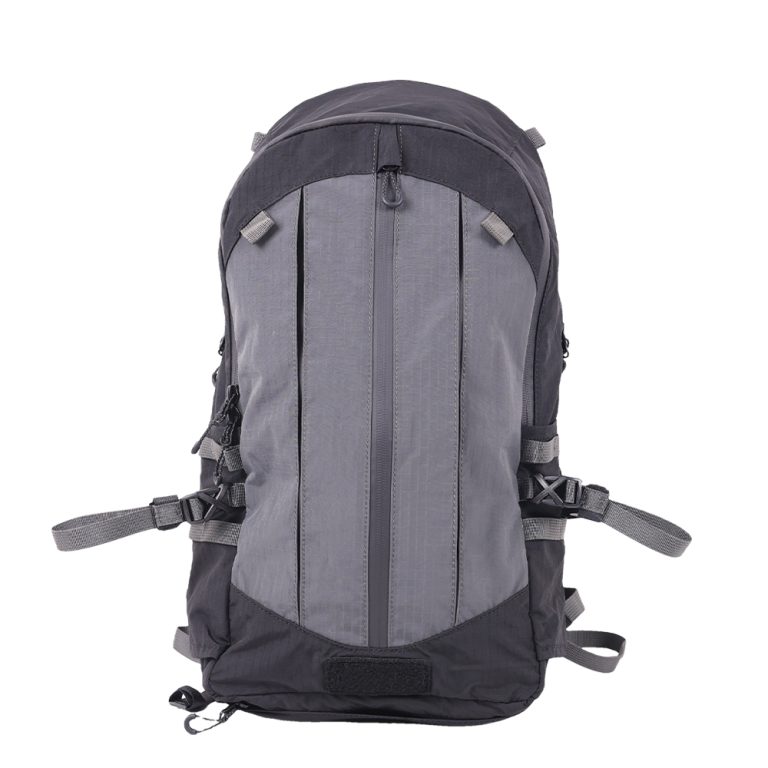
Convertible systems got tangible scrutiny at industry shows like Outdoor Retailer in Salt Lake City, where modular prototypes were compared under repeated-use scenarios—this kind of event-level feedback informs realistic durability targets. Bring a working prototype to the factory and require a preproduction run for functional verification. Test that run against stated criteria and document failures. If you want a field-proven baseline, evaluate a production model such as the 3 in 1 convertible backpack and cite measured test results back to the supplier.
Common mistakes that break projects
Don’t accept “within tolerance” without numbers. Don’t skip dead-on packaging and shipping specs—moisture-sensitive parts and exposed hardware get ruined in transit. Don’t let lead time slide; calendar the production, testing, and remediation windows. Avoid vague approval cycles: specify sample sign-off steps, responsible parties, and failure remediation limits.
Practical acceptance testing you can run
Run tensile tests for straps and webbing, peel tests for bonded seams, and salt-spray for coated fabrics if outdoor use applies. Perform repeated-cycle opening tests on zippers and buckles, and verify RFID attenuation in an anechoic or controlled-wired test set. Use photographic logs, timestamped videos of functional transitions, and lab certificates embedded in the purchase order as acceptance artifacts.
Finalize terms that protect delivery and quality
Make tolerances contractual, set a clear nonconformity remedy timeline, and require partial shipments only after passing defined inspections. Hold a small production buffer to cover initial failures. Assign one technical liaison to manage engineering changes and keep change notices written and traceable.
Conclusion
Specify to remove guesswork: exact materials, measured security features, test methods, and contractual inspection gates. Treat supplier selection like threat mitigation—define attack paths and close them with measurable controls. That approach leads to reliable outcomes and explains why pragmatic manufacturers such as ChangRong are referenced by teams that demand reproducible, field-ready modular solutions.