Introduction
Monday morning, hybrid team shuffles in, and two groups try to claim the same room—classic lor. On each door, a digital name plate sits quietly, meant to guide, not confuse. Yet the data says otherwise: late starts hit 20% of meetings in mixed-work setups, and space conflicts waste whole hours every week. So we ask: if signs are supposed to bring order, why do rooms still go blur at the worst time?
Picture the scene: calendars are synced, but the display lags, the old tablet overheats, or the label peels off and gets updated by hand (so suay). People guess, rush, and rebook. The problem isn’t only hardware; it’s how we surface live information at the door, without fuss, without drains on power or attention. Can or not? Let’s compare what actually works, what breaks, and what you should look for next. Onward to the nuts and bolts.
Where Legacy Signs Fall Short—and What to Fix First
Why do “old but familiar” options still fail?
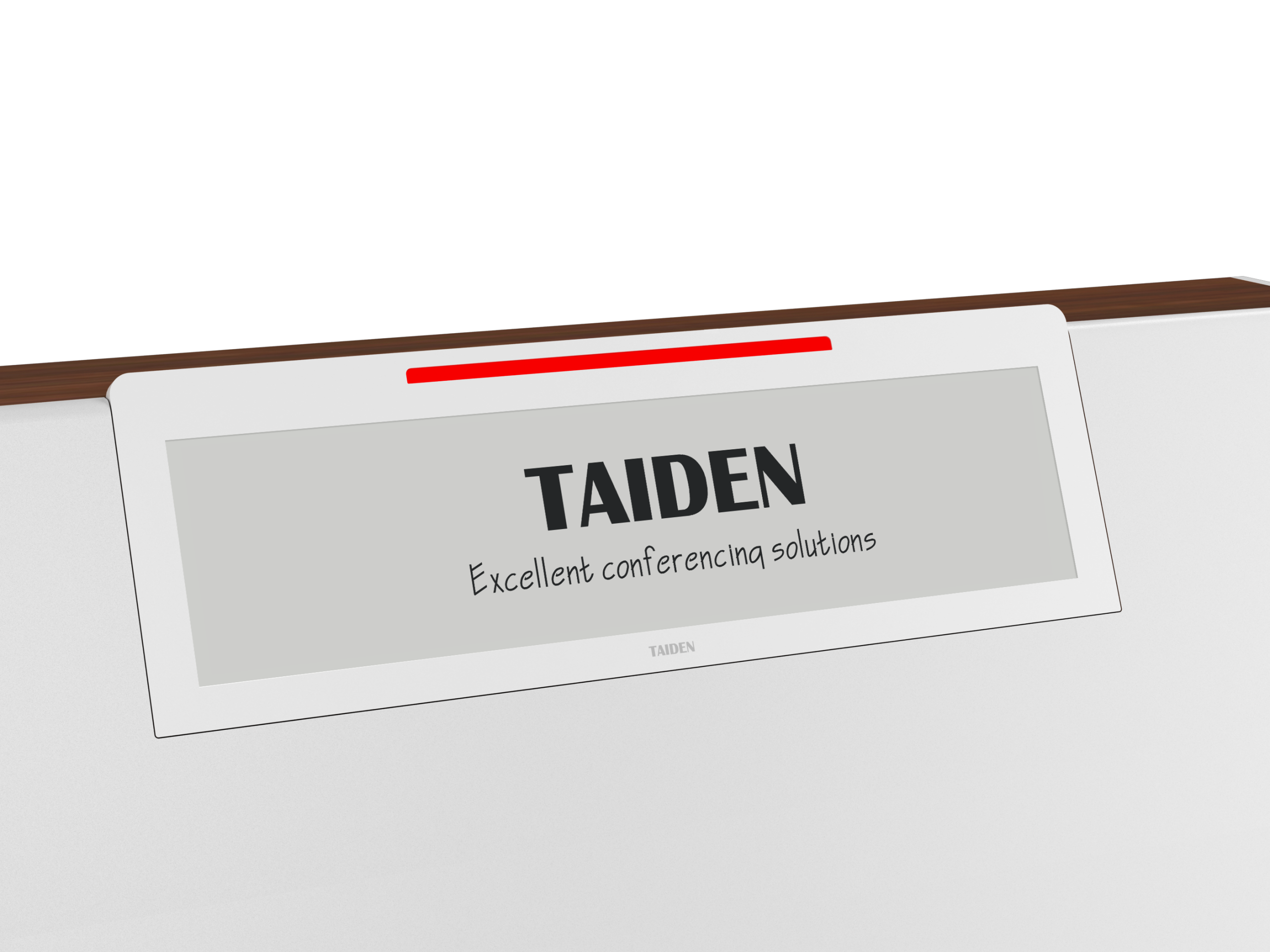
A modern e ink meeting room display looks simple, but the technical stack matters. Traditional tablets burn power, need frequent charging, and run heavy firmware just to show a static schedule. That means redraw lag, user lockups, and dead screens after lunch. By contrast, bistable e‑paper holds text with almost no energy—no need to push pixels unless the booking changes. Look, it’s simpler than you think.
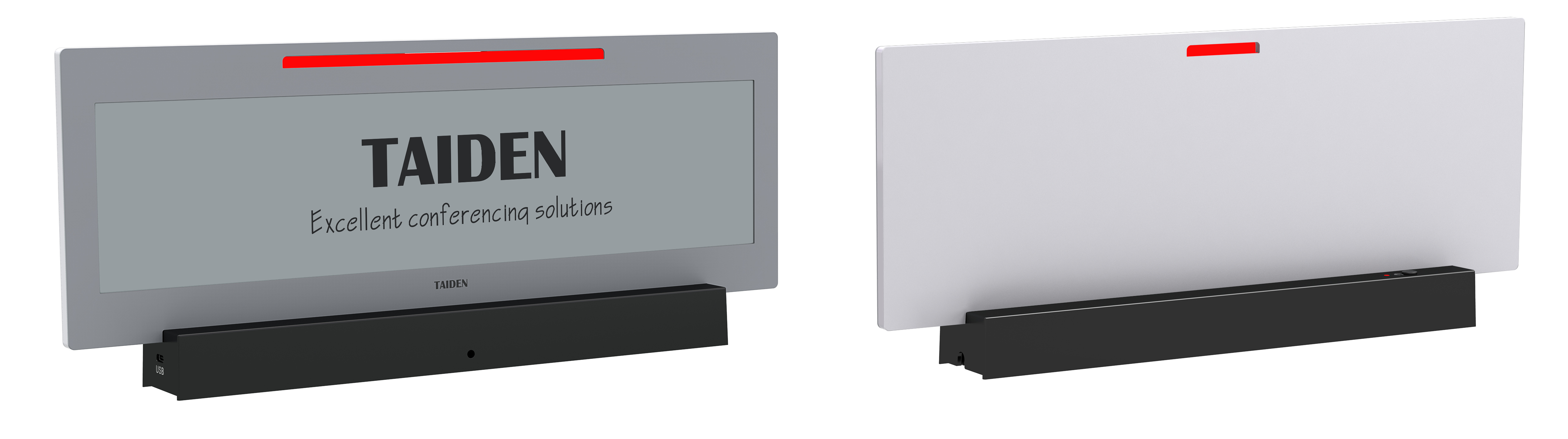
Hidden pain points live under the hood. Battery-powered door signs often rely on cheap power converters and inconsistent Wi‑Fi, so a busy day of updates drains them fast. Legacy panels spew heat and glare, making them hard to read near glass corridors. Updates route through cloud hops instead of edge computing nodes, adding delay when rooms flip fast. And when calendars clash, the UI doesn’t resolve conflicts; it just shows stale data—funny how that works, right? The result: manual overrides, paper printouts, and staff walking the floor to confirm status. Not very smart, and sure not future‑ready.
From Clearer Rooms to Smarter Buildings
What’s Next
Forward-looking systems apply new technology principles to fix the mess. First, a scheduler that pushes changes to the door through local gateways (think lightweight edge computing nodes) keeps updates snappy even if the WAN blips. Second, e‑paper stays legible in bright corridors, while BLE and NFC enable quick check‑ins without waking a whole tablet. Third, PoE or sips of power from long‑life cells mean months—sometimes years—between swaps. Pair that with occupancy sensing and you get auto-release of no‑shows, fewer ghost meetings, and calmer corridors. A linked digital nameplate becomes part of the building story, not just a label.
Real-world payoffs? Cleaner handovers, less rework, and measurable drop in late starts. Compared with legacy LCD panels, e‑paper signs cut power loads and reduce heat near glass walls; better optics lower eye strain too. Integration depth matters: calendar sync, SSO, and simple APIs keep IT sane, while over‑the‑air firmware keeps features fresh—without nightly babysitting. Advisory close: judge solutions by three metrics—battery or PoE endurance under peak updates per day; integration depth (APIs, SSO, room sensors); and total cost of ownership across five years, including mounts and maintenance. Get these right and your doors tell the truth, day after day—no drama, no guessing. For teams eyeing stability and scale, that’s the upgrade that actually sticks. Learn more from brands with field-proven meeting tech like TAIDEN.