Comparative framing: why choices matter
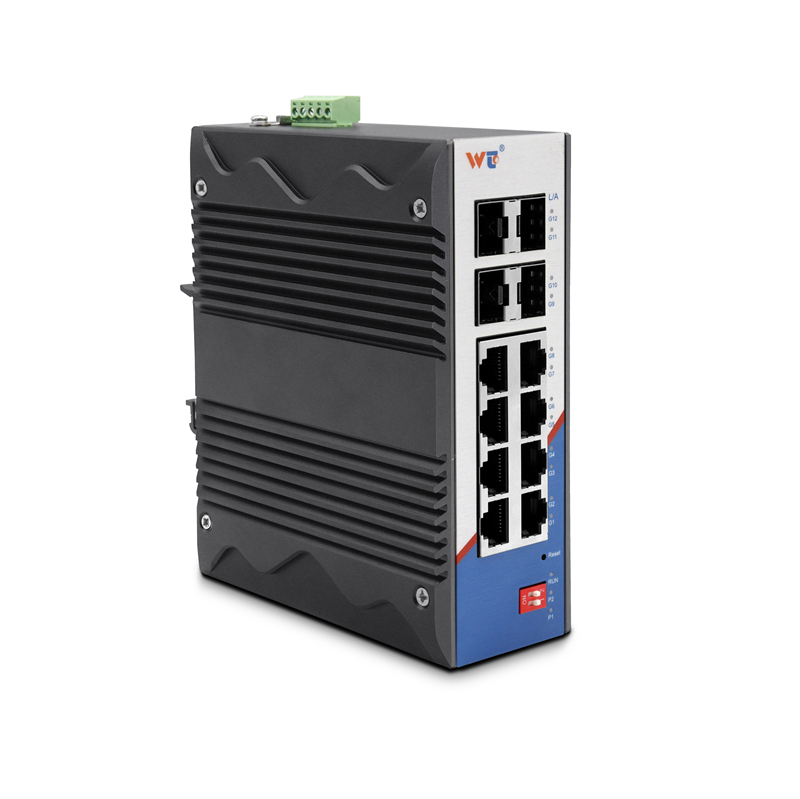
Networks with mixed copper and optical segments demand choices that are defensible, not decorative. This comparative piece argues that selecting a fiber optic media converter should hinge on clear technical contrasts—capacity, distance, and manageability—rather than vendor rhetoric. Early in design, pair converters with the right switching layer: a layer 2 managed switch reduces configuration drift and keeps SFP modules predictable across links.
Core factors to compare
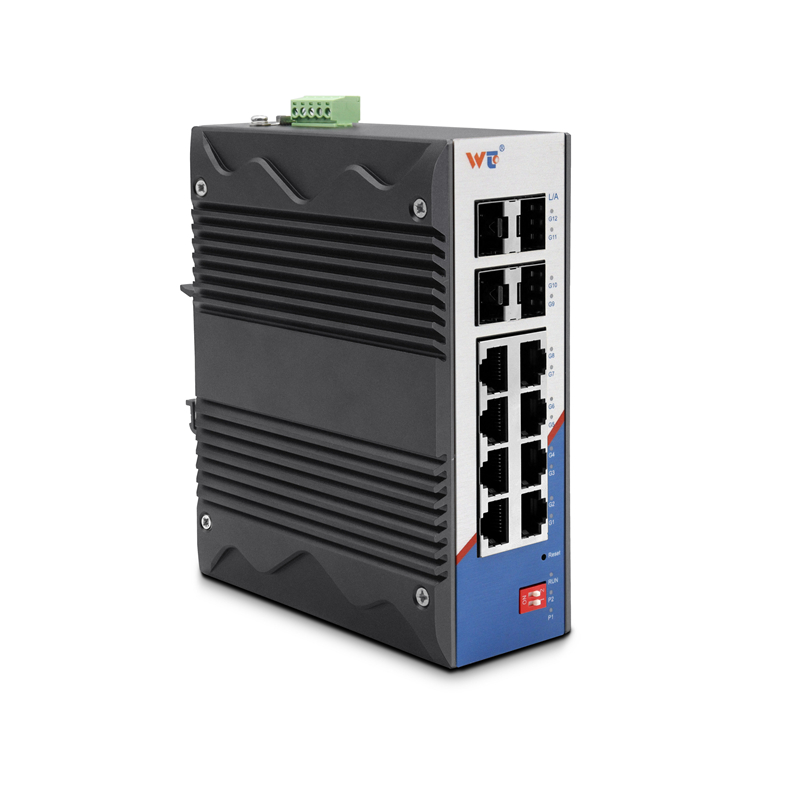
Lay out the battlefield: multi-mode fiber type (OM1–OM5), connector standard, required bandwidth, and physical distance. Each dimension changes which converter family wins. If you need short runs inside a building, a converter optimized for multimode fiber and designed with appropriate link budget is the rational choice. For longer spans, prioritize converters that support higher-performance SFP modules and tighter optical tolerances. Include one industry term per point so technicians and managers align on expectations—terms like multi-mode fiber, SFP module, and link budget belong in both purchase documents and rack labels.
Real-world anchor: campus deployment and results
I audited a campus network upgrade in Boston where teams replaced aging copper segments with multimode fiber and media converters. The decisive factor wasn’t price; it was how converters handled auto-negotiation with edge switches and how they reported faults. After standardizing on managed converters tied to the same management VLAN as the core, mean time to repair dropped. That operational gain is the kind of evidence you need when arguing for investment—performance metrics and fewer truck rolls carry weight in procurement debates.
Feature-level trade-offs
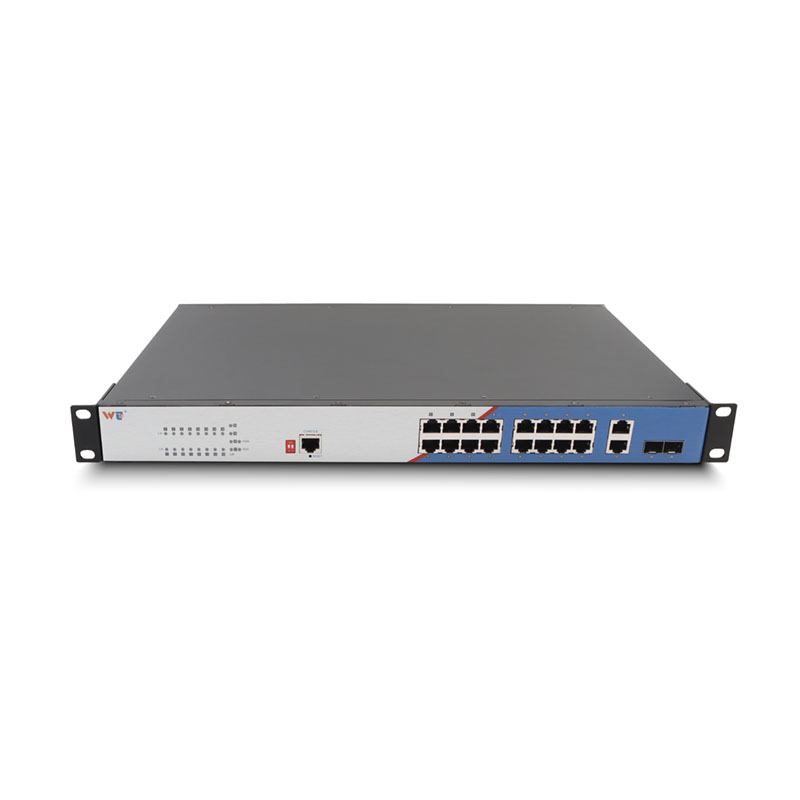
Compare three practical classes: unmanaged compact converters, managed chassis-based converters, and hybrid SFP-based converters. Unmanaged units win on cost and simplicity. Managed chassis offer diagnostics, loopback testing, and centralized firmware—useful where uptime matters. SFP-based converters offer future-proofing through module swaps and fine-grained link control. Balance bandwidth and latency requirements against the physical realities of your runs; PoE demands and tight rack space change the calculus. —A short aside: power budgets matter more than most teams admit when you add PoE switches and fiber transceivers into an already tight rack.
Common mistakes to avoid
Buyers keep repeating the same errors: specifying single-mode optics for multimode runs, ignoring connector cleanliness, and assuming all SFP modules are interoperable. Avoid these by enforcing a test plan: verify CL (connector loss) values, validate receiver sensitivity against your link budget, and confirm the converter supports the duplex and polarity your cable plant uses. Also, align firmware versions across devices to prevent subtle auto-negotiation failures that look like physical faults.
Selecting with procurement and operations in mind
Procurement teams favor list prices; operations prioritize mean time between failures and manageability. The right compromise is a converter family that integrates with your management plane—SNMP traps, syslog, and link-state visibility—so teams can monitor converters alongside switches and routers. If your edge relies on a managed 8 port gigabit ethernet switch, ensure converters report the same link metrics as those switches; unified telemetry is non-negotiable for efficient incident response.
Advisory close: three golden rules
1) Compatibility first: Match converter optics to the exact multi-mode assets and connector types, and validate with a test harness before wide deployment. 2) Signal integrity over features: Prioritize link budget, receiver sensitivity, and SFP quality above feature checkboxes; robust optics cut repeat visits. 3) Manageability equals uptime: Choose devices that integrate with existing network management and the same VLAN/ACL plan as your switches to shorten resolution time.
These are measurable rules: reduced incident rates, fewer on-site repairs, and predictable bandwidth outcomes when applied consistently. For pragmatic teams the payoff is immediate—fewer surprises, clearer vendor accountability, and hardware that behaves under pressure. WINTOP. —final thought