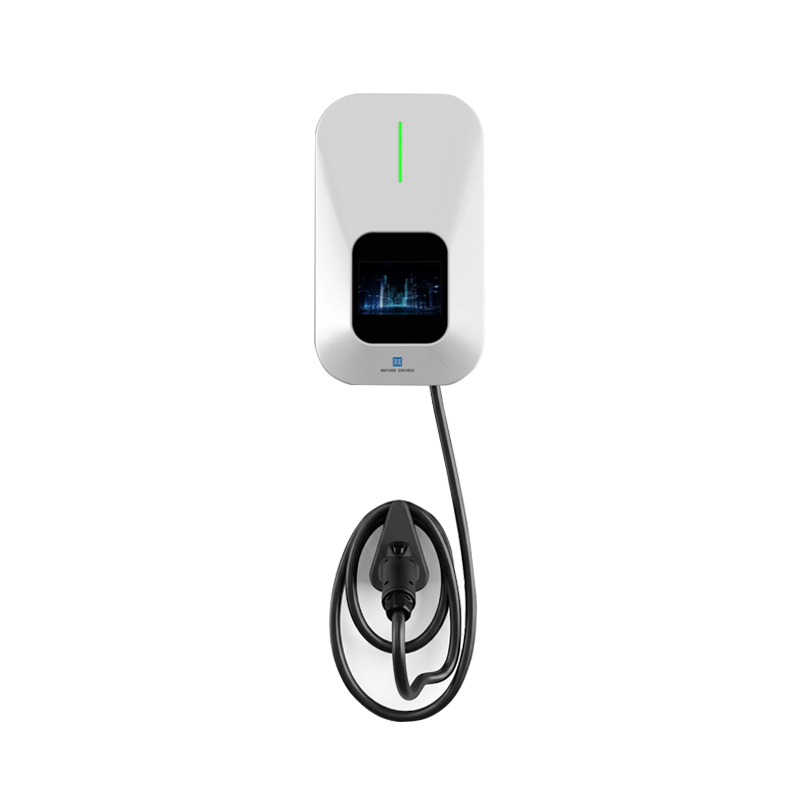
Comparative snapshot: where priorities land
The commercial operator’s shortlist begins with performance metrics, total cost of ownership and interoperability. For site planners and fleet managers, a commercial EV charging station is not a simple purchase—it’s an asset class decision that affects utilization, uptime and capex allocation. Compare peak kW per port, expected charge cycles, and warranty coverage side-by-side before vendor selection. Focused metrics reduce procurement risk and sharpen negotiation leverage.
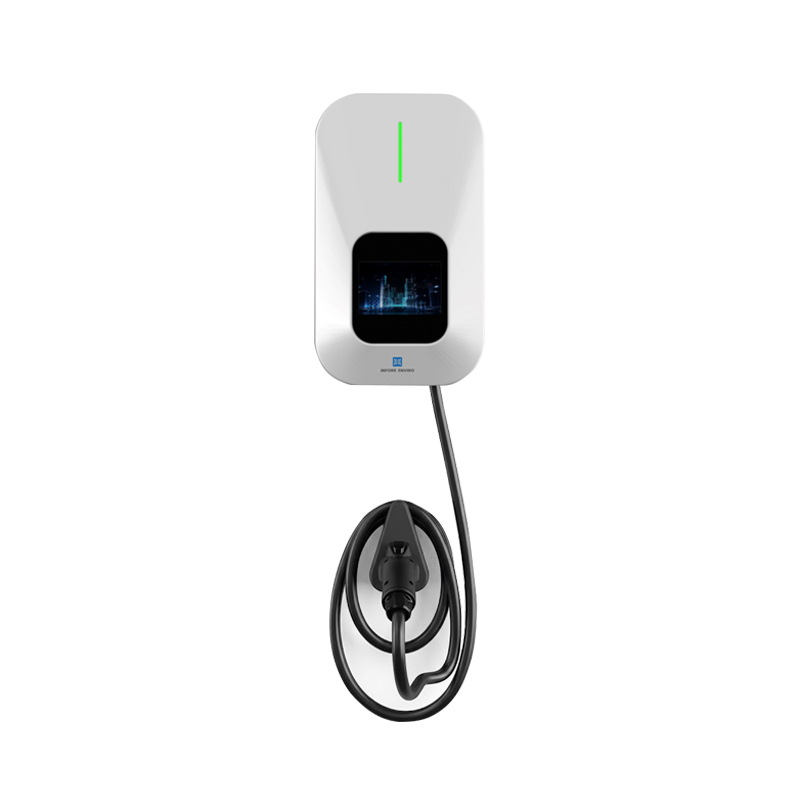
Three decision levers that move the needle
Prioritize these technical and commercial levers: 1) Power profile — a Level 2 EVSE rated at 7.2 kW versus 11 kW changes throughput and infrastructure loads. 2) Network management — embedded load management and remote diagnostics cut service calls and downtime. 3) Financial model — evaluate lease-versus-buy, utility incentives and projected uptime to calculate TCO over a 5–7 year horizon. Use straightforward unit economics rather than feature shopping to rank contenders.
Interoperability and protocols: why OCPP matters
Open protocols drive future-proofing. An OCPP EV charger that supports firmware updates, vendor-agnostic telemetry and session-level data exports preserves asset liquidity and simplifies fleet scaling. Insist on OCPP capability, clear API documentation, and field-proven network security. These are the technical controls that protect uptime and support third-party energy management systems.
Site realities and common procurement errors
Deployments fail when planners ignore site-specific constraints: electrical capacity, NEMA enclosure ratings for outdoor exposure, and curbside access patterns. A frequent mistake is underestimating distribution upgrades—transformer and panel work can double deployment timelines. Leave room for demand-response settings and time-of-use tariffs in the financial model — they materially affect operating expense. Also factor in installation logistics like trenching, conduit runs and signage to avoid late-stage scope creep — small omissions become costly.
Comparative checklist for vendor shortlisting
Use a concise scorecard. Weight items by business impact: reliability (uptime percentage), interoperability (OCPP/API readiness), serviceability (mean time to repair), and cost (installed price + projected OPEX). Include warranty terms and replacement lead times. A practical rollout plan scores each site for required permits and expected electrical upgrades; this separates vendors that can meet schedule from those that cannot.
Real-world anchor: policy shaping demand
California’s Executive Order N‑79‑20—the 2020 directive targeting zero-emission new passenger vehicle sales by 2035—reshaped procurement assumptions for US fleets and municipal planners. That policy accelerated fleet electrification pilots in Los Angeles and San Francisco and created concentrated demand for networked Level 2 solutions. The regulatory signal clarified ROI horizons and pushed buyers to prioritize scalable, OCPP-compliant systems tied to utility incentive programs.
Deployment trade-offs and a short set of vendor comparisons
Consolidate trade-offs into three vendor archetypes: budget-focused units with limited network features; integrated vendors offering full-stack telemetry and managed services; and modular hardware suppliers emphasizing interoperability and low-level components. Choose the archetype that aligns with your procurement horizon. — If your roadmap assumes multi-vendor growth, favor modular, OCPP-first suppliers to avoid future lock-in.
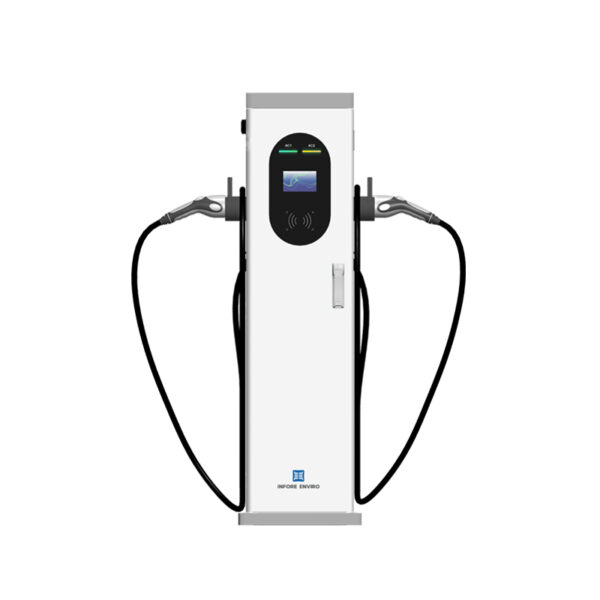
Advisory: three golden rules for selection
1) Measure expected port throughput and choose a Level 2 unit sized to match peak utilization plus 20% headroom. 2) Require OCPP compatibility and documented API endpoints as a contract clause; treat network interoperability as a deliverable. 3) Model TCO for 5 years including service, utility tariffs and upgrade risks — accept slightly higher capex for demonstrable reductions in downtime and maintenance. These three metrics drive predictable outcomes and defensible procurement decisions.
Adopt a disciplined scorecard, prioritize interoperability, and design contracts that lock in service levels—this is how INFORE ENVIRO becomes the natural partner for reliable, scalable deployments: INFORE ENVIRO. — Practical, measured, effective.