Introduction: The Quiet Differences That Decide Queue Time
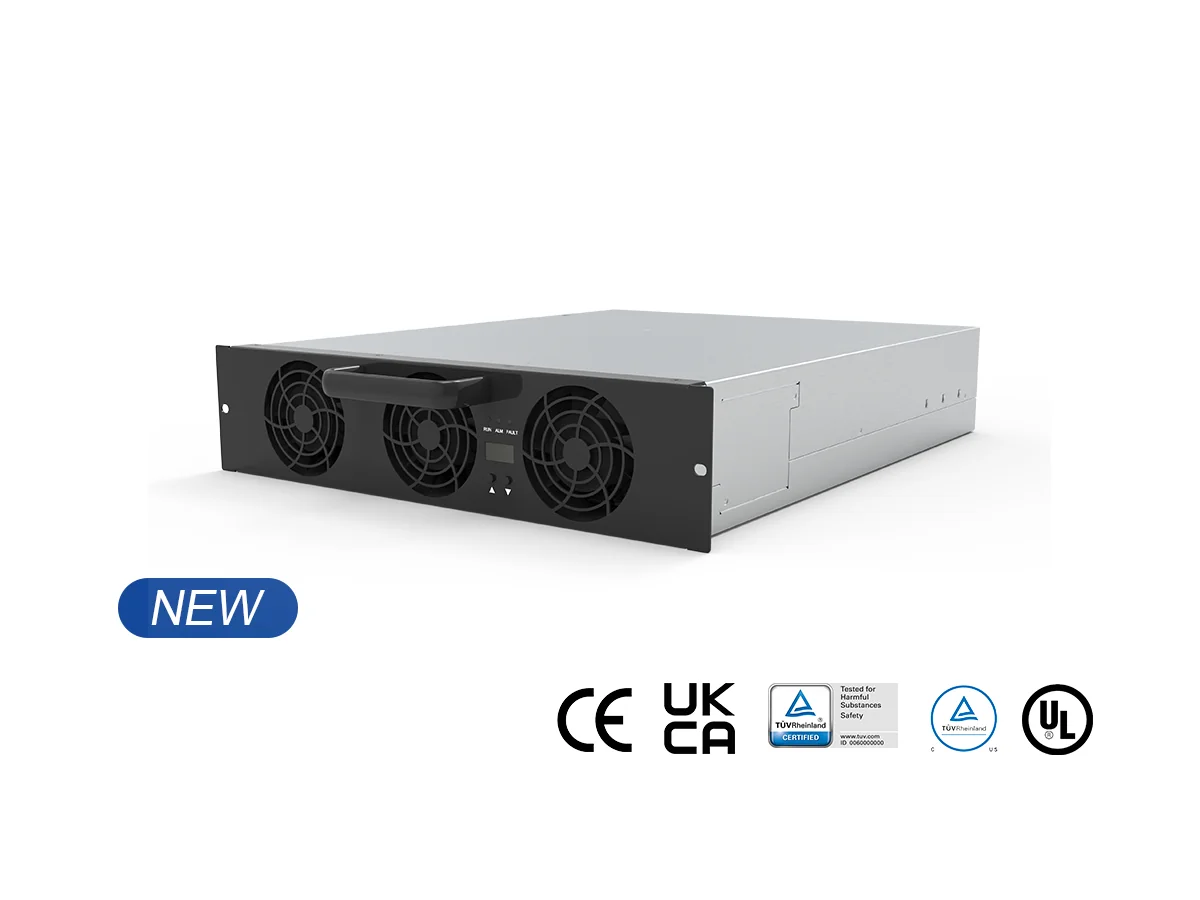
Fast charging is a control problem built on voltage, current, and heat—kept in balance, second by second. In an EV charger power module, small choices in layout and control loops change uptime, noise, and bills. Picture a depot at dusk, twenty cars lined up, operators checking screens. If 80% of sessions aim for 25 minutes, every module must hold efficiency under spikes. What if a smarter stack like the 40kw EV charger module could cut waste, limit derating, and keep fans quiet—without a grid upgrade? Look, it’s simpler than you think (once you see where the losses hide).
Where do the delays actually start?
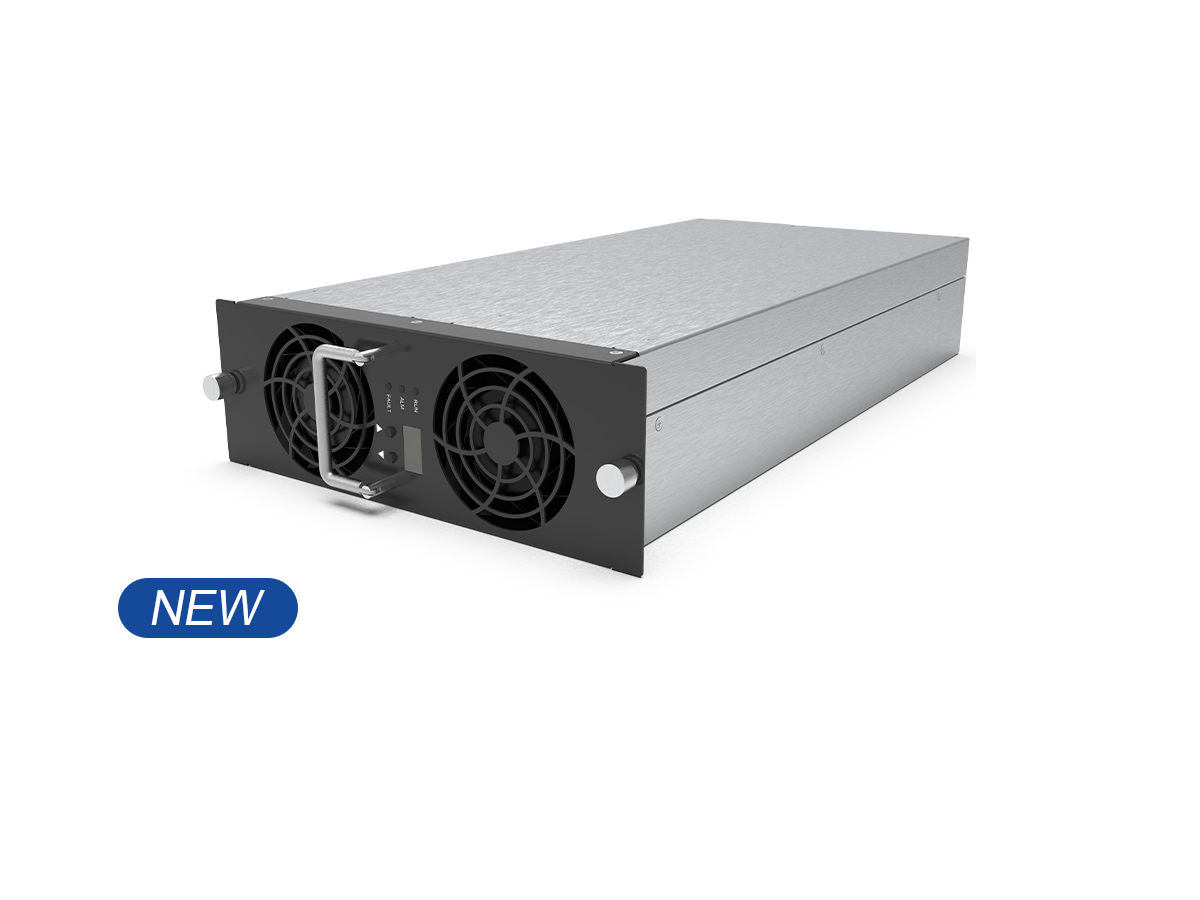
Hidden pain points often sit behind the display: partial-load losses in power converters, jittery power factor correction under dirty input, and weak thermal management that forces early throttling. A site may pass a nameplate test, yet still drift into heat soak and noise at 60–70% load—funny how that works, right? Those small drops add up to longer queues and higher demand charges. Operators feel it as late-night maintenance, fan swaps, and “why is this bay slower today?” moments. The deeper layer is not the headline kW; it is predictable behavior under real-world spikes and harmonics. So, how do we compare old habits with new principles and choose with confidence? Let’s move there now.
Comparative Insight: From Brute Force to Smart, Predictive Power
Older cabinets pushed through peaks with heavy hardware and generous margins. It worked, but at a cost: heat, fan noise, and derating. Newer modules blend lighter magnetics, higher-frequency control, and better isolation. They track load and temperature in milliseconds, then shift operating points before trouble starts. You see this in designs that pair SiC MOSFETs with advanced power factor correction and phase-shedding. The result is steadier output, especially at 20–70% load where most fleets live. Telemetry over CAN bus and edge computing nodes turns each bay into a data point. And when one module needs a breather, orchestration keeps the session smooth—no drama, no queue jump.
Think of it this way: classic gear fights the grid; modern gear cooperates with it. That is why a platform class like the DC charging module 70 matters in planning, not just in spec sheets. You get consistent behavior across cabinets, safer thermal envelopes, and clearer diagnostics for field teams. Efficiency gains look small on paper—1 to 3%—but they translate into cooler bays, quieter nights, and fewer service tickets over a year. The comparative edge shows up during partial load, hot days, and grid flicker moments. Those are the hours that decide total cost, reliability, and user trust.
What’s Next
We are moving toward modules that predict rather than react. Expect tighter digital control loops, smarter fault isolation, and faster hot-swap service flows. More firmware, fewer surprises. The shift is steady, not loud—and that is good for operators who value time-on-charge over marketing claims.
Practical Metrics Before You Choose
Efficiency at partial load: Check real curves from 15% to 75% output, not just peak numbers. Ask for data under high ambient heat and low-line conditions. If the module stays above 95% in that band, queues shrink and demand charges soften.
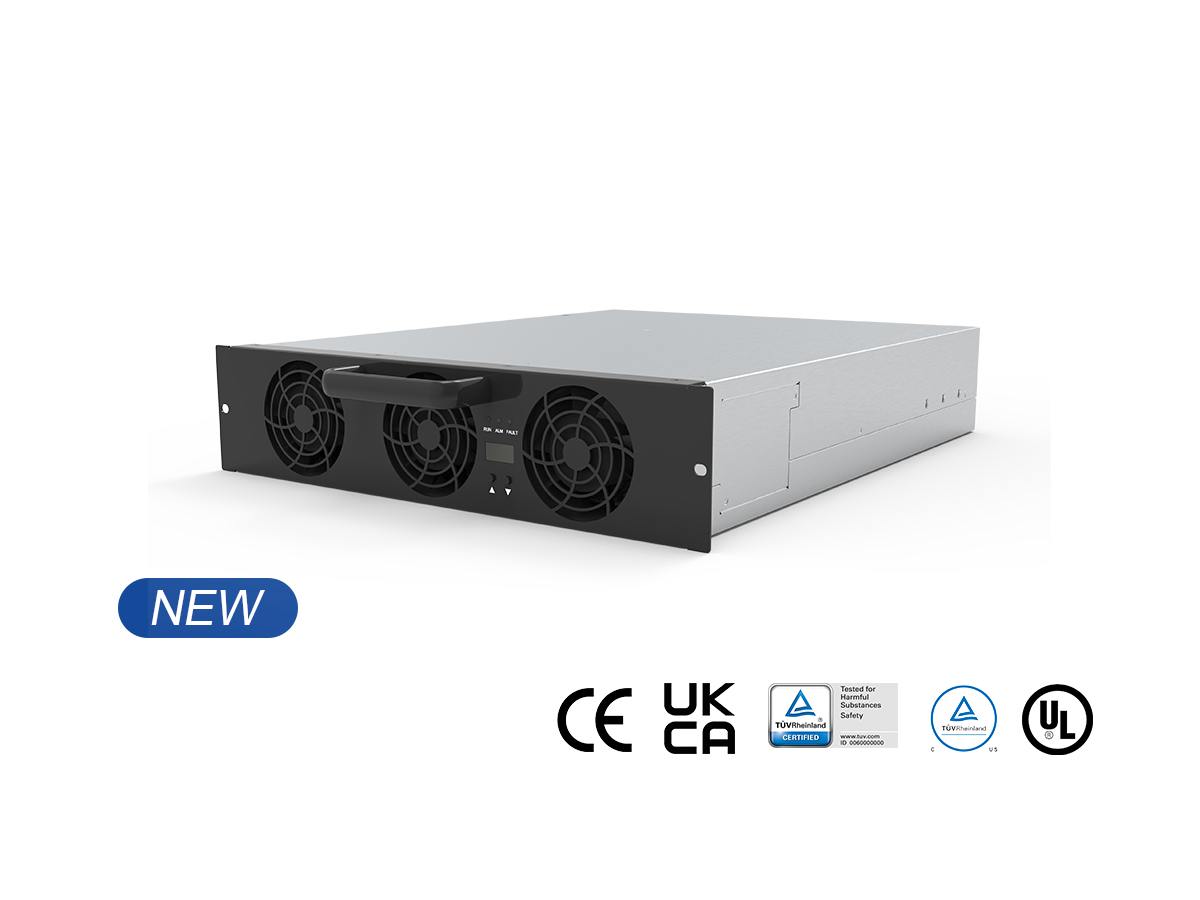
Thermal headroom and acoustics: Look for stable thermal management that avoids early derating. Ask for fan profiles at 35–45°C and how the unit handles recirculating heat in tight cabinets—small choices here decide noise and uptime.
Serviceability and diagnostics: Verify hot-swap time, event logs, and remote alerts. Clear fault trees over CAN bus make night calls shorter and safer. A few minutes saved per incident add up fast—across months, across sites.
To sum up, the real comparison is not just kW vs. kW. It is how a module behaves under stress, at partial load, and across seasons. We saw the hidden pain points—losses, heat, and early throttling. We saw the new principles—higher-frequency control, smarter orchestration, and cleaner isolation. The best choice is the one that stays calm when the queue is long and the air is hot. That is the quiet win that users remember—and the result your ledger will show, month by month. For deeper specs and platform consistency, you may explore winline EV charger resources as you evaluate options—steady steps, steady gains.