The problem I’m watching
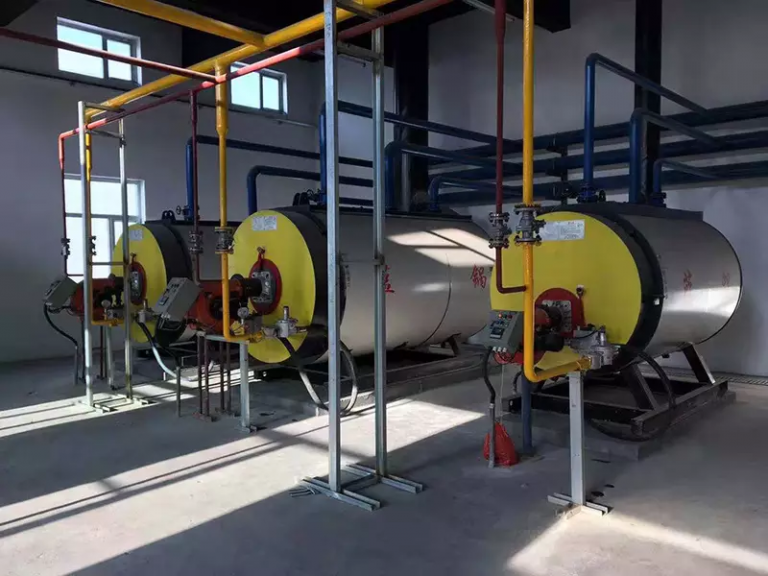
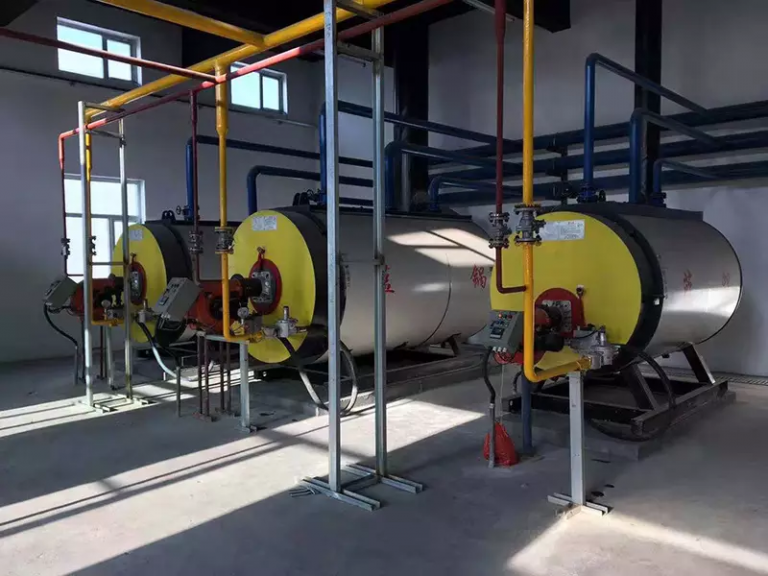
Something repeats across sites: equipment fitted with the wrong combustion devices works, but never well. Here and there it’s obvious — unstable flame, wasted fuel, surprise shutdowns — and sometimes it’s quiet, a constant underperformance that eats margin. In those quiet failures I keep thinking about choices around industrial burners, and how small mismatches multiply. I remember a retrofit at a municipal district heating plant in Rotterdam where a mismatched boiler burner caused persistent flame instability and forced repeated tuning cycles; that project clarified for me how regional fuel, ambient conditions, and local service networks decide outcomes as much as burner specs. This is a problem-driven look: identify the failures, then pick solutions that actually fix them.
Diagnose before you specify
Start with evidence. Gather real load profiles, recent fuel analyses, flue-gas readings, and maintenance logs. Check turndown needs and peak duty hours. Measure stack O2, CO, and temperature under representative loads. Talk to on-site technicians about how often they tune the air/fuel mix. Don’t guess efficiency from a nameplate. Those measurements show whether the issue is combustion control, fuel quality, mechanical wear, or poor match between burner turndown and plant operation. Act on the data, not on the brochure.
Selection criteria that matter
Pick burners using strict, practical criteria: fuel compatibility, reliable turndown ratio, modulation method (pulsed, continuous), emissions performance under real loads, and local service availability. Give weight to how a unit behaves at low load—many plants spend most of their hours there. Ask suppliers for test reports on similar installations in your climate or region. Confirm spare parts lead times and training options. The right burner reduces returns visits; the wrong one increases them. Consider low-NOx staged burners, oxy-fuel approaches only where fuel and control systems can support them, and prefer simple, proven control loops when staff turnover is high.
Alternatives evaluated briefly
Low-NOx burners: often the first choice for emissions limits; effective but sensitive to air/fuel balance. Flue gas recirculation (FGR): reduces NOx but needs fans and controls; adds maintenance points. Fuel switching (gas to liquid or vice versa): attractive only when fuel quality and supply stability are confirmed. Burner management upgrades or O2 trim retrofits: cost-effective if mechanical hardware is generally sound. Each option trades complexity for performance; pick the one your team can sustain.
Common pitfalls and mistakes
Oversizing is common. It feels safe until you can’t control the flame at low load. Ignoring fuel variability is another trap; a burner tuned to high-calorific gas will misbehave on a lower grade. Skimping on instrumentation—no continuous O2 or CO monitoring—leaves you blind. Treat commissioning as the first maintenance job, not a checkbox. Finally, don’t assume a vendor’s standard model will suit a different altitude, humidity, or fuel type—those details change combustion physics.
Commissioning, maintenance, and monitoring
Commission with stepwise tuning: start at medium load, verify stable flame, work down to low load and back up. Lock in control parameters and document them. Use continuous O2 trim where operations vary. Train operators on symptoms that require a technician versus those they can adjust safely. Schedule regular inspections of air intakes, fuel nozzles, and flame scanners. Trending stack values over weeks tells you when deposits, nozzle wear, or control drift begin to harm performance.
Closing the loop
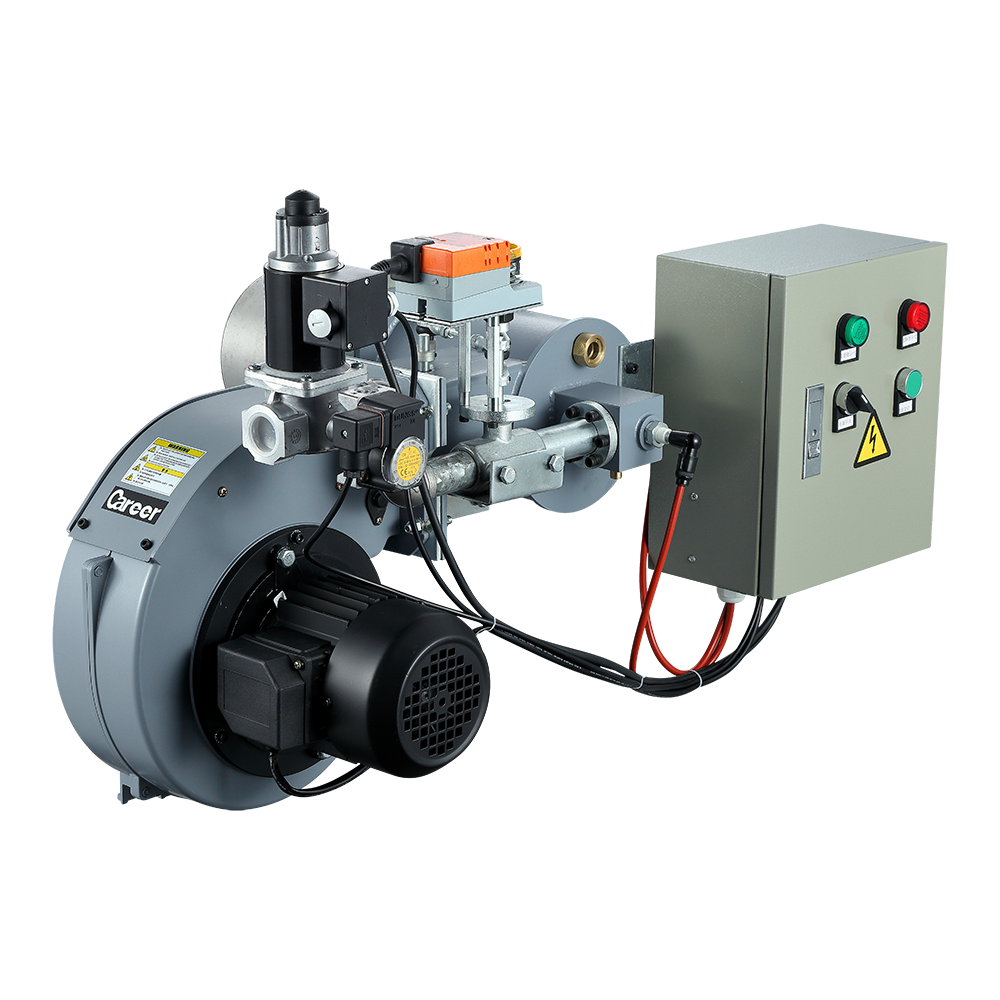
Regional choices aren’t about picking the most advanced burner on paper. They’re about matching measured plant realities — fuel, load profile, staff skills, and service networks — to a combustion approach that the site can sustain. When those pieces align, operations run cleaner, fewer surprises crop up, and capital actually buys reliability. That practical alignment is what I aim to distill when I evaluate options and point teams toward sensible solutions like those catalogued by Career Burners.