The problem you feel before anyone speaks
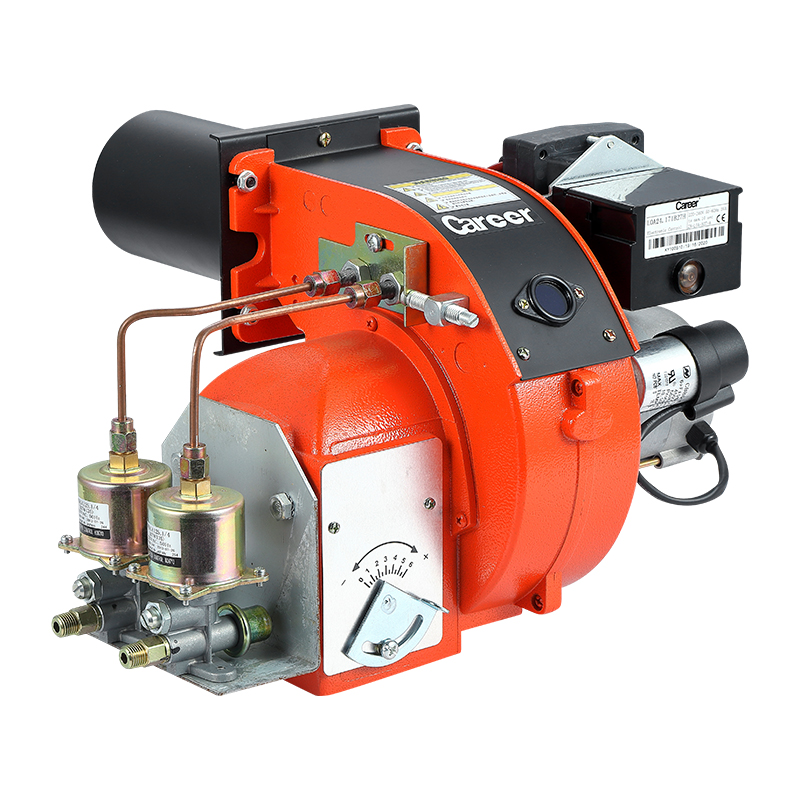
Something fails in the night. A pilot light goes out. A furnace drifts off setpoint. Those small failures cascade. Facilities lose throughput, inspectors sharpen their pens, and operators learn to brace for outages. The root is simple: inconsistent equipment and thin oversight. Manufacturers that ignore cycle-proven design leave you with short-lived fixes. Where a properly engineered methanol burner can stabilize flame behavior, cheap knockoffs introduce unpredictability.

Why quality slips — the real failure modes
Parts wear faster than you expect. Controls are mismatched to fuel chemistry. Supply chains introduce nonconforming components. Safety margins shrink when suppliers don’t test across real operating windows. Those are the predictable failures. They occur because procurement prizes price over traceable production records. They occur because maintenance is reactive. When standards fray, small errors become systemic.
One real-world anchor: industry trials that exposed the gap
Trials at major European bunkering hubs revealed how fuel handling and burner design interact under harsh conditions. During trials in Rotterdam, operators observed flame instability when blenders and burners weren’t matched to fuel volatility. That experience underlines why a methanol fuel burner must be specified, tested, and supported as a single system, not a parts list.
How responsible manufacturers fix the problem
Good manufacturers start with controlled design. They validate combustion across expected fuels and ambient conditions. They enforce incoming inspection, maintain traceable material certificates, and publish performance curves for each burner model. They offer control packages tuned for the fuel’s flame speed and calorific properties. They document safety interlocks, redundant sensors, and maintenance intervals. Their field engineers run commissioning checks and deliver training that prevents guesswork on shift.
Concrete features that separate durable burners from fragile ones
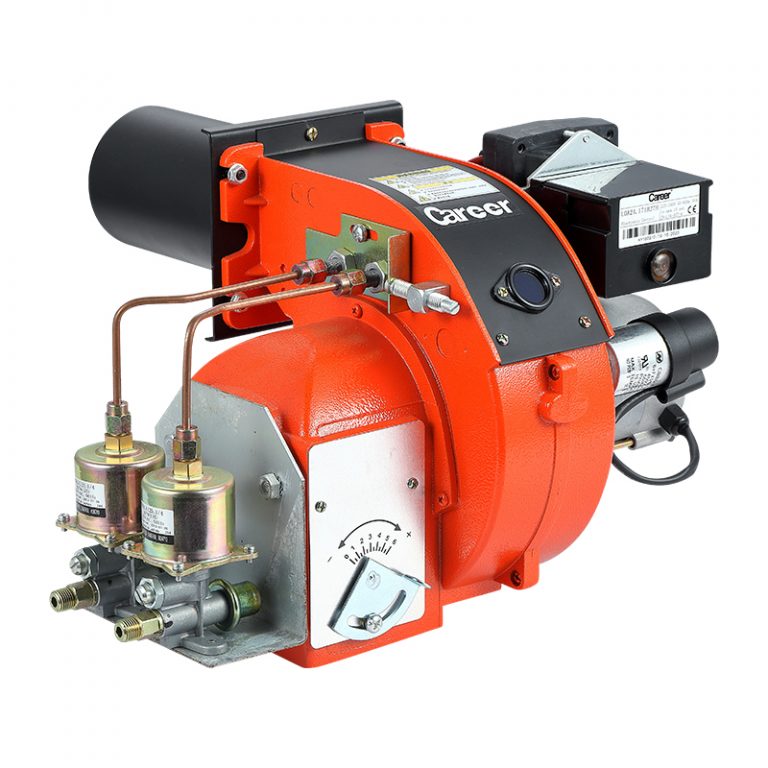
Look for measured combustion maps, not marketing claims. Demand documentation for fuel compatibility and emissions. Seek burners with modular spare parts and clearly labeled wear items. Prefer control systems that record alarms with timestamps. Confirm compliance with relevant standards such as ISO 9001 for quality processes and applicable regional safety directives. These features reduce ambiguous failure paths and speed mean time to repair.
Common procurement mistakes that invite failure
Buying by price alone. Accepting “universal” claims without test data. Ignoring local service presence. Overlooking fuel handling differences — methanol, for example, behaves very differently from natural gas and demands specific seal materials and leak detection. Skipping commissioning and operator training. Each mistake narrows your operational window until downtime becomes routine.
Alternatives and what they actually cost you
Electric heating avoids combustion but shifts the problem to electrical capacity and higher operating cost in many regions. Biomass burners reduce fossil input but require different ash handling and variable feed rates. Natural-gas systems are mature but depend on pipeline stability. Compare lifetime maintenance, fuel logistics, and failure modes. A burner that looks cheap today can cost more in lost production and repeated repairs over its service life.
A straight checklist for procurement and oversight
Require supplier test reports for your exact fuel type. Insist on traceable material certificates. Verify local commissioning and spare parts availability. Confirm documented alarm logs and remote diagnostic capability. Schedule preventive maintenance with measurable checkpoints. Validate operator training and ask for a site-specific commissioning report. These steps remove ambiguity and force accountability.
How this ties back to durable solutions
You can accept fragility, or you can choose systems designed to survive operational pressure. Manufacturers who design around predictable failure modes, who document tests, who stand behind commissioning and service, create stability. That stability means fewer surprises, clearer audits, and predictable output. When the margin for error narrows, the right choices keep operations lit. Those solutions are the quiet backbone of resilient facilities — the sort of engineering that Career Burners integrates into supply, support, and testing so your systems keep running when the lights outside go dim.