The Problem That Haunts Prototypes
Prototype parts arrive wrong. Faces that should mate don’t; bores that should glide bind; deadlines rot under vague drawings. You need parts that behave, not excuses. That’s where precise custom cnc machining comes into play—when process, material, and intent are aligned. This piece frames the problem clearly: what fails during commercial and industrial prototyping, why it fails, and how to stop the specter of iteration from devouring time and budget.
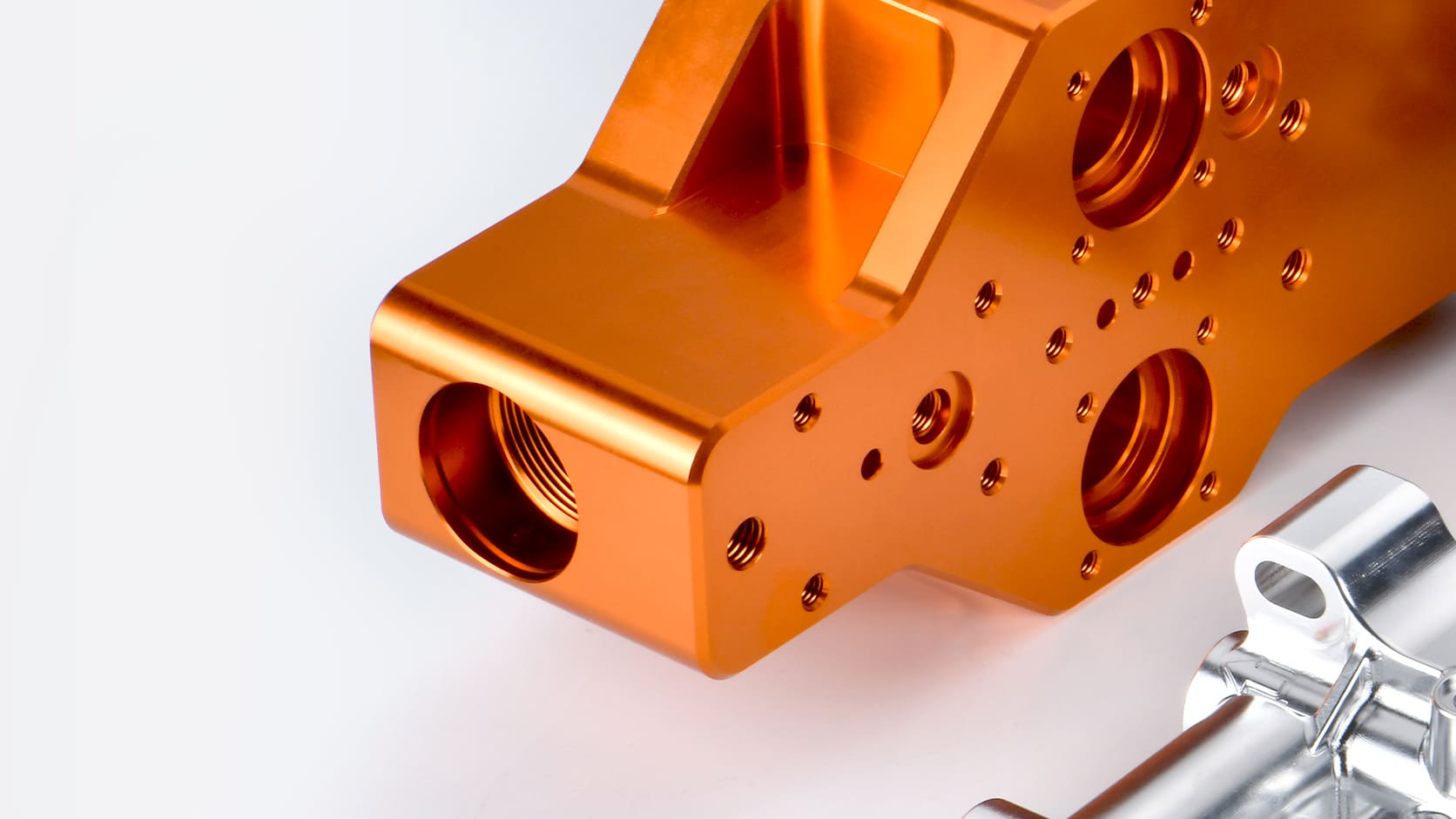
Why Precision Fails
Three faults repeat like a chant. First, ambiguous tolerances and shallow DFM thinking let components collide in assembly. Second, material choice or heat treatment is picked for cost, not function, so fatigue, warpage, or surface defects appear late. Third, CAM and fixturing are afterthoughts; poor toolpath strategy and unstable workholding introduce chatter, poor surface, and dimensional drift. Each failure multiplies downstream: rework, delayed validation, failed field tests.
Remedies that Stop the Echo
Stop guessing. Specify functional tolerances linked to mating parts and performance tests. Choose alloys with known machinability and state expected heat treatments. Set explicit surface finish values where seals, bearings, or optical faces matter. Use staged validation: one-off soft-fixtured proof, small-batch hardened fixtures, then production-ready runs. Plan CAM around feature priority—finish passes for critical faces, climb milling where tolerances demand, smaller stepovers on thin walls. Employ first-article inspections with CMM and surface profilometry. Track tool wear logs and batch traceability so a single failure doesn’t corrupt the entire lot.
Credence from the Floor
I’ve watched these failures resolve on trade floors and at shows where practitioners publish results; the lessons are public. At IMTS in Chicago, machine builders and job shops compared approaches and outcomes, confirming the value of early fixture design and iterative toolpath testing—this practical consensus feeds realistic pricing and timelines and is why a reliable cnc machining quote often reflects setup depth rather than just hours of spindle time. Real-world cases like those reported at major industry events and peer-reviewed machining studies show that upfront engineering effort reduces total lead time and cost.
Alternatives and When They Fit
If speed beats durability, additive manufacturing or soft tooling can deliver form quickly for fit checks. For metal functionality tests, consider small-run investment casting or sheet metal prototypes where appropriate. Each alternative accepts trade-offs: additive may require more post-machine work for critical tolerances; casting introduces shrinkage planning. Choose based on what you validate first—fit, function, or production process—and avoid mixing validation goals in a single prototype run.
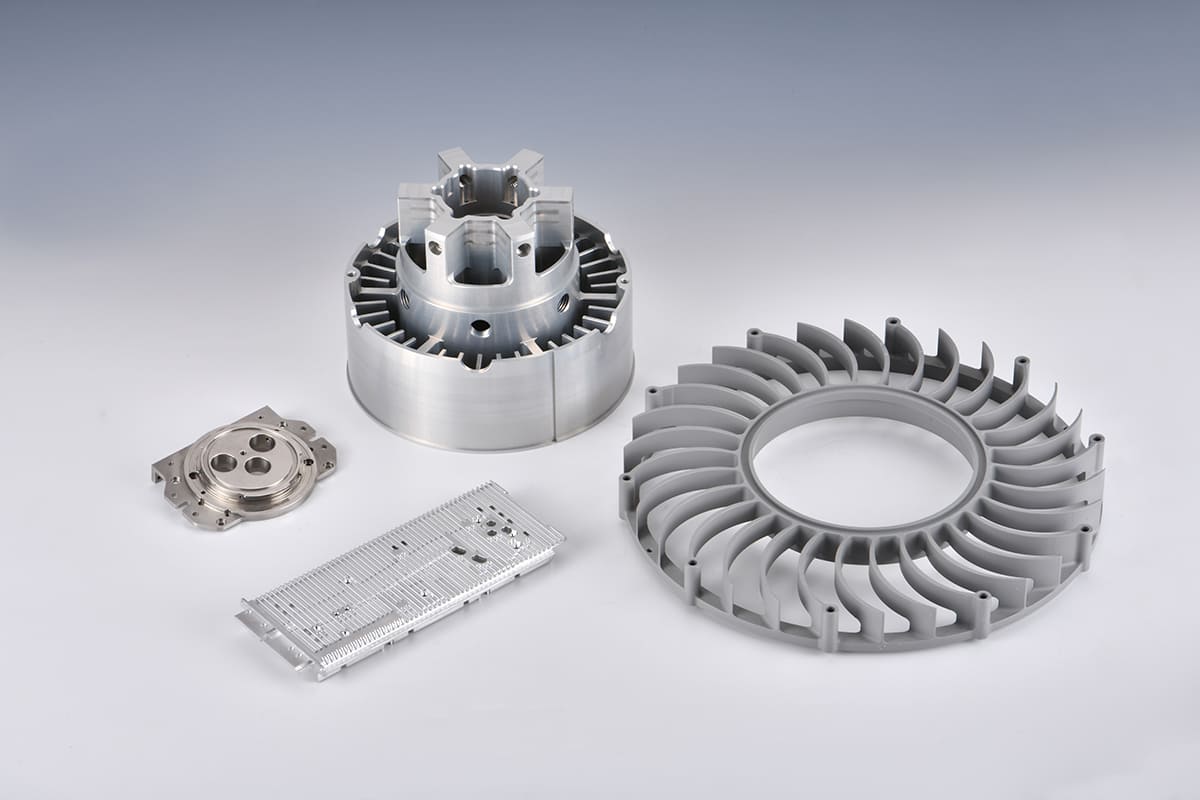
Common Pitfalls to Avoid
Don’t reward lowest bid without scope clarity. Don’t assume material callouts on old drawings remain optimal. Don’t skip fixture trials or insist on one-step sign-offs when thermal distortions could change dimensions. Don’t treat surface finish as cosmetic when it’s functional. Forgoing measurement records is the gravest sin—without them, you chase ghosts instead of solutions.
A Dark Promise of Reliability
Precision is not a ritual to be hoped for; it is a set of disciplined choices: clear tolerances, correct metallurgy, planned CAM, verified fixtures, and measured results. When those choices are made with experience and engineering rigor, the prototype becomes a faithful herald of production. That steady, practical craftsmanship is what you find when process and purpose meet at the bench of Hanstar, turning the shadow of uncertainty into a usable, tested component.