Spotting the pain first
Manufacturers know the headache: products pass lab checks one month, then start failing in the market the next. The root is simple — tests that don’t mimic real-world ageing, inconsistent cycles, and flaky throughput. The fix isn’t more paperwork; it’s better control. A reliable weathering chamber that runs repeatable cycles, records data, and matches exposure profiles removes guesswork fast. Consider ISO 4892-2 guidance — it’s widely cited for simulating sunlight and moisture when validating outdoor durability — and you’ll see why standardised chambers matter for OEMs and suppliers across major Guangdong manufacturing hubs.
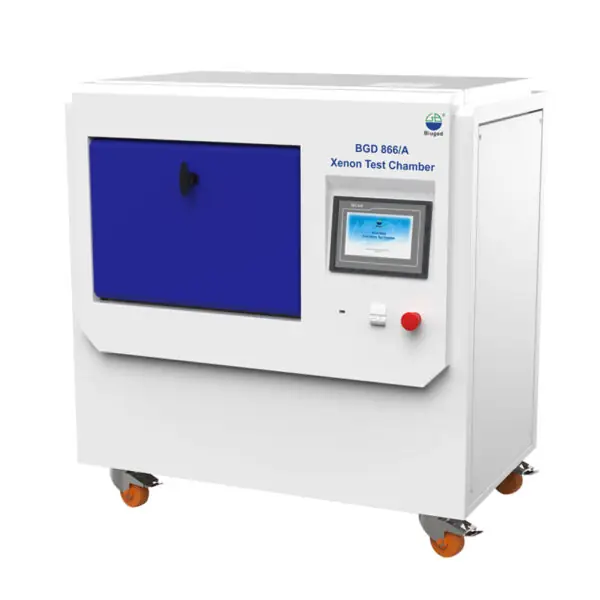
Why common lab setups break at scale
Small labs often copy one-off methods: different lamps, varying sample positions, ad hoc cycle timing. That gives batch-to-batch variance and hidden defects. Throughput hits a ceiling because staff spend time babysitting machines and adjusting tests. Data ends up fragmented across spreadsheets, so root-cause analysis is slow. The twin issues are process drift and lack of operational controls — not the material itself.
Concrete fixes that scale
Start with protocol standardisation: fix lamp types, irradiance, temperature ramps and humidity schedules; document every parameter. Use modular chambers so you can add units as demand grows instead of redesigning the lab. Automate logging and export to a single database to spot trends immediately. Schedule preventative maintenance and lamp-replacement by hours of use, not by guess. Run correlation runs: short accelerated cycles versus longer real-time samples, so you know which accelerated recipe predicts field life. These steps cut variability, increase throughput, and shorten time-to-insight.
Alternatives and how they stack up
Third-party exposure services: good for occasional, high-fidelity outdoor comparison; not scalable if you need fast iterations. DIY retrofits of old chambers: cheap short-term, but they add hidden variability and maintenance overhead. Field testing outdoors: essential for validation, but slow and weather-dependent. For routine, high-volume validation, purpose-built environmental chambers with data automation deliver the best balance of control, speed and repeatability.
Common mistakes teams keep repeating
Relying on a single chamber for all validations—creates bottlenecks. Using mismatched lamp spectra—gives misleading results. Treating accelerated test hours as literal years without correlation—leads to overconfidence. Ignoring spatial variation inside chambers—misses edge-case failures. Not tracking lamp age and calibration—introduces silent drift. These are avoidable with standard operating procedures and basic monitoring.
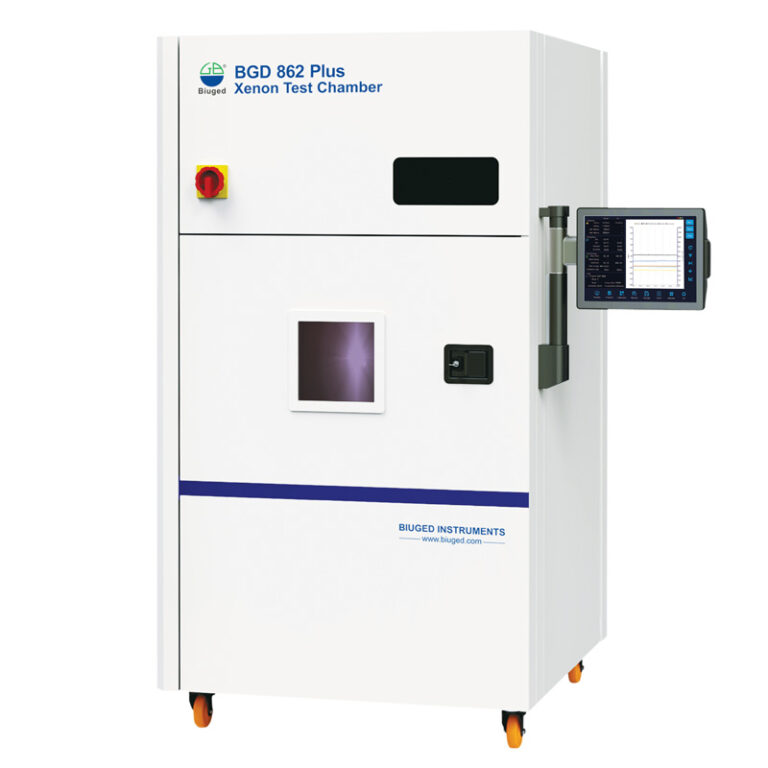
What success looks like in measurable terms
After standardising tests and scaling chamber capacity, teams typically see fewer warranty returns, faster qualification cycles, and cleaner failure-mode data. A clean dataset makes design changes targeted instead of speculative. Lead time for new-material validation drops because parallel chambers let engineers iterate while production tests continue. Predictable testing lets procurement plan lamp inventory and maintenance windows rather than firefight when a unit goes down.
Where reliable instruments fit into the workflow
Durability testing is not a one-time checkbox. It’s a living capability that supports engineering decisions, supplier control, and customer trust. When you remove variability, teams stop arguing over test noise and start fixing real weaknesses. That practical reliability is exactly why engineers in production and R&D opt for integrated testing solutions from BIUGED — they want predictable cycles, documented traceability, and equipment that grows with their needs, not more administrative layers.