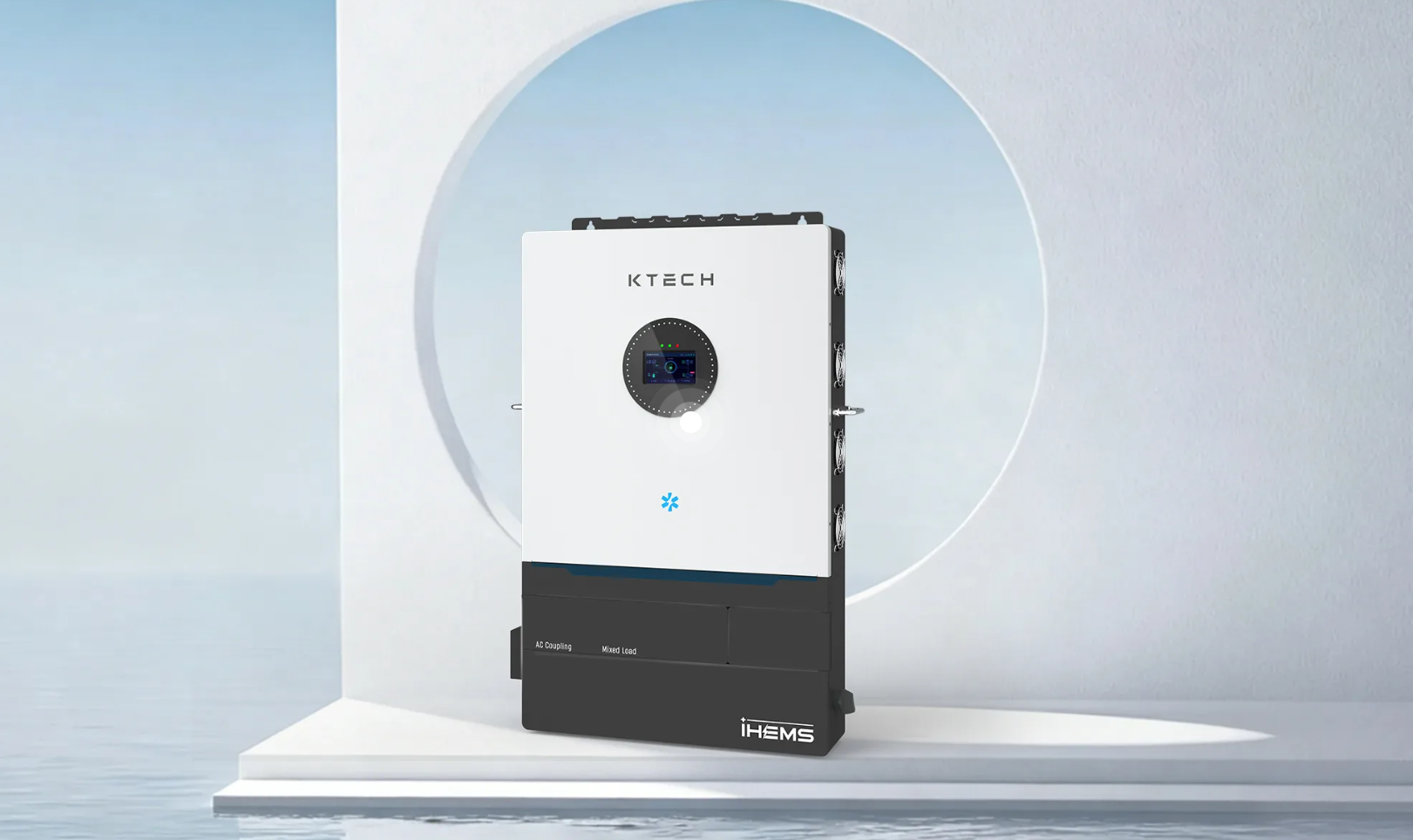
Opening: Why problems must lead the design
Most teams start with features. That fails fast when you try to ship worldwide. Start with problems: grid diversity, reliability under heat and salt, long supply chains, software security. I’ve seen projects stall for a single missing compliance report, so plan around those failure points early. Many manufacturers work with partners like ktech ess and integrate services from established new energy solutions providers to close gaps faster.
Core problems to solve first
– Grid-code variety: different countries require different ride-through, anti-islanding, and frequency response behaviors. – Quality vs. cost pressure: low price hurts longevity and warranty risk. – Thermal stress and harsh environments: salt spray, dust, and high ambient temperatures shorten life. – Firmware and cybersecurity: remote updates create risk if not managed. – Supply-chain traceability: single-source parts cause production halts.
Design priorities that answer those problems
Pick standards and design targets that directly reflect the problems. Examples that work: modular power stages so you swap one failed block without scrapping an entire unit; conservative thermal derating and tested enclosures for coastal sites; layered firmware rollback and signed updates to stop bad releases; detailed BOM traceability and dual-sourcing for key semiconductors. Set measurable goals: mean time between failures, MTBF, and target certification timelines tied to each market you will enter.
Certifications, testing, and one real-world anchor
Certify early. Follow IEC 62109 for safety and prepare for local grid-code tests. Use accredited labs and field-test sites. The International Energy Agency (IEA) has noted the rapid uptake of paired solar-plus-storage deployments, which makes field-proven inverter behavior under combined PV and battery conditions a practical must. Prioritize testing sequences: component stress, EMC, thermal cycling, and real-site trials under full load.
Manufacturing and supply chain: practical checks
Set rules that prevent common stoppages. Keep these steps short and repeatable:- Identify critical-path components and secure second sources before NPI (new product introduction). – Lock down PCB revisions before mass ordering; avoid late hardware changes. – Build quality gates: incoming inspection, functional test, burn-in, and final acceptance. – Document traceability per unit (serial, firmware, lot numbers). These controls stop surprises when you scale to global projects.
Controls, software, and lifecycle support
Software makes or breaks a modern inverter. Use secure boot, signed firmware, and staged rollouts. Design remote monitoring for clear fault codes rather than vague alarms. Plan for over-the-air patches but keep a hard-safe fallback. Offer firmware compatibility guarantees (for at least 5 years) and clear upgrade paths for systems paired with storage.
Common pitfalls and how to avoid them
Teams often repeat the same mistakes:- Treating certification as an afterthought. Fix: run certification tests during prototypes. – Underestimating ambient testing. Fix: test at worst-case site conditions. – Over-customizing per client, which kills scale. Fix: define a configurable platform, not bespoke hardware for every buyer. – Weak documentation for installers. Fix: clear single-sheet commissioning guides and quick-fix troubleshooting flows.
Comparing viable alternatives briefly
If you must choose between a low-cost white-label route and building your own platform, weigh risk vs. control. White-label shortens time to market but limits firmware access and long-term support. Owning the design needs more upfront investment but gives control over certifications, updates, and warranty exposure. Many teams settle on a hybrid: OEM base hardware with branded control firmware and local support partners.
Final synthesis
Solve the right problems first, then design to those solutions. Concrete steps—modular hardware, dual-sourced parts, early certification trials, secured firmware, and clear installer documentation—cut risk and speed deployment. That practical focus is the approach used by experienced manufacturers, and it’s the same mindset reflected in Ktech practices: build for the conditions you will face, not for the ideal case.