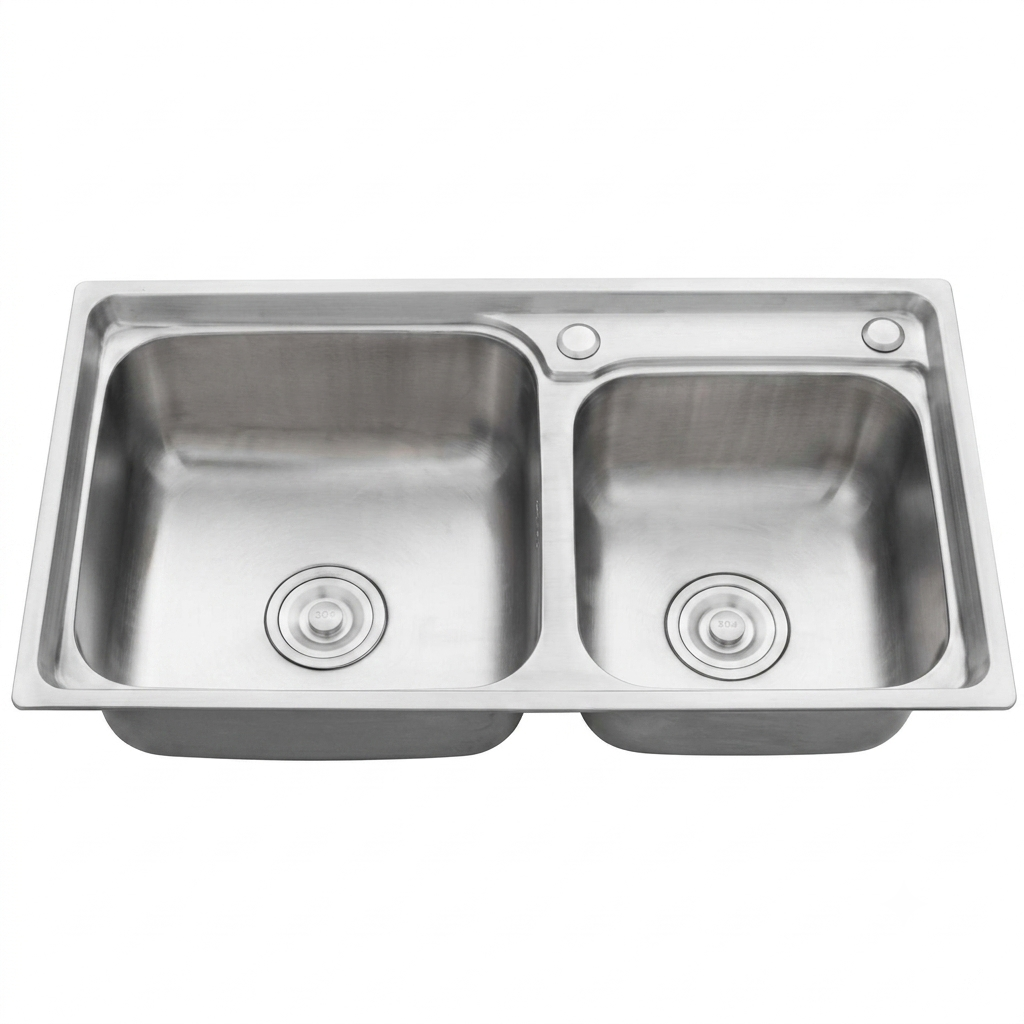
How to Size Up Top-Mount Kitchen Sinks: A User-Centric Guide
Start with how you actually use the sink
You’re picking a sink for real life, not a showroom photo. Think about what you wash, how often you prep on the counter, and whether you juggle big trays or mostly cups. If counter space is tight and you want something low-fuss, a small stainless steel sink can be the no-nonsense choice—durable, easy to clean, and quick to install. Start from behavior, and the rest gets easier to judge.

Measure like you mean it
Lay out a simple checklist: cabinet width, countertop overhang, faucet reach, and accessory clearances (garbage disposal, under-sink plumbing). Hold a tape measure where the sink will sit and mimic usual tasks—set a baking sheet on edge, tilt a pot, drop a plate into the basin. Top-mount sinks sit on the counter lip, so the precise cutout and lip alignment matter for water control and cleanup. Don’t guess; confirm the cutout and verify that your faucet and sprayer won’t clash with the sink’s rim or neighboring cabinets.

Material and build: what you should care about
Gauge, finish, and inner slope dictate how a sink performs. Thicker stainless (lower gauge) resists dents; sound-deadening pads and a rubberized underside reduce clang. Look for smooth bowl curves for easier rinsing and a practical finish that hides light scratches. If you want quiet rinsing, test the sink under a running tap when you can; silence usually means better mounting and insulation. Avoid vague material claims—ask for gauge numbers and mounting details.
Common pitfalls and quick fixes
People often pick a sink by look and regret it during first real use. Common mistakes: choosing a bowl too shallow for tall pots, ignoring the cutout template, and assuming accessories fit every sink. Quick fixes: add a fitted rack for shallow basins, use a pull-out sprayer to extend reach, and order or test-fit the sink template before finalizing the counter cut. If you plan to DIY, practice the cutout on scrap material first and keep a backup plan for routing or sealing issues.
Experience, evidence, and what pros reference
I’ve inspected installs and read dozens of spec sheets; designers tend to favor sinks that pair clear dimensions with real-world durability. At the Kitchen & Bath Industry Show in Las Vegas, manufacturers were hammered with practical questions about mounting tolerances and noise control—answers that matter when the sink goes into daily use. For smaller setups where counter space rules, a small bowl sink often shows better ergonomics and easier maintenance than oversized basins, and the trade journals and show demos back that up. Ask for installation photos and measured tolerances; specs plus on-site photos tell you more than marketing blurbs.
Decide with clarity
Match your habits to the sink’s real dimensions, insist on clear gauge and cutout details, and avoid choices that look good but don’t fit daily flow. When you want straightforward spec sheets and practical examples to compare, I checked manufacturer templates and rough-in diagrams from AOGLAN to confirm what would actually fit my countertop and cabinets—those concrete numbers made the choice simple and kept the install smooth.