Why old fixes fail (and what I saw on site)
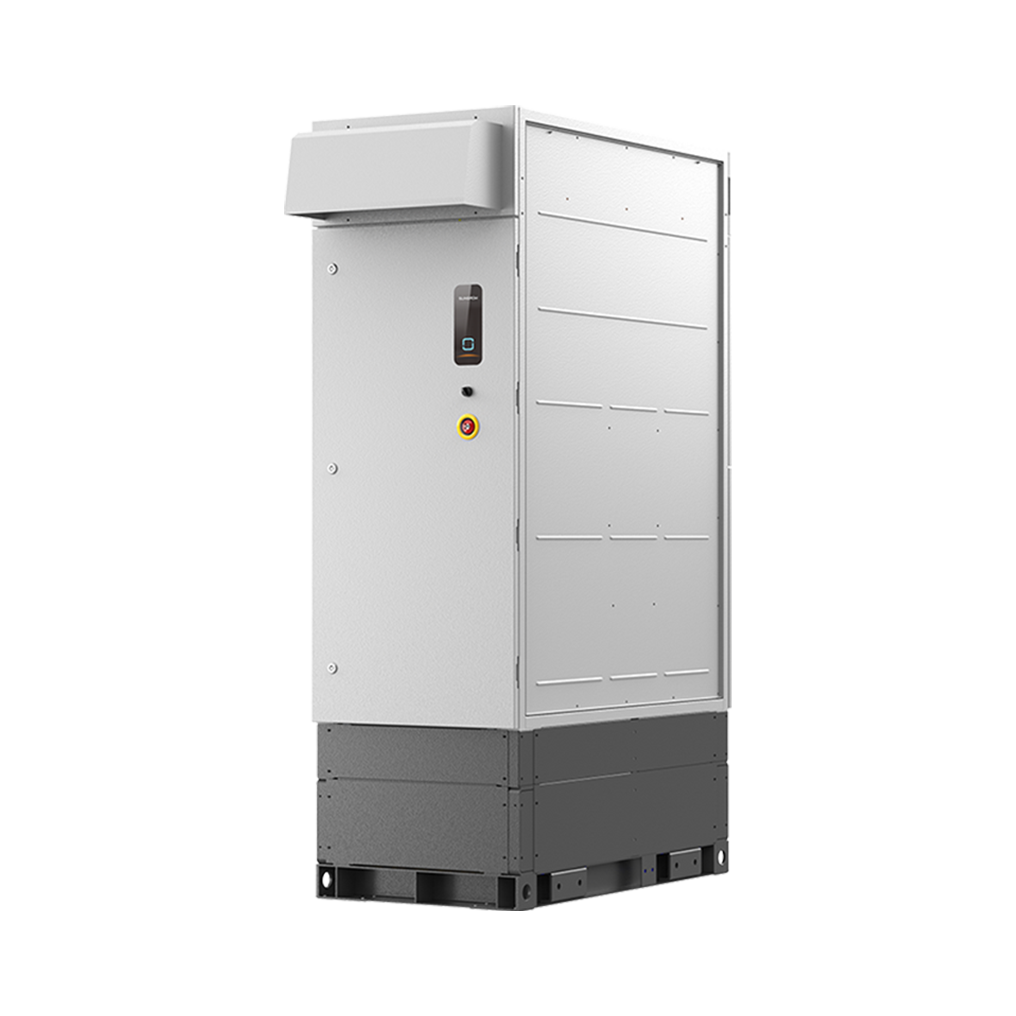
I remember a late July morning in Phoenix when we unloaded inverter racks into the heat and thought: this will be routine—until it wasn’t. On that 500 kW rooftop job, a single MPPT fault caused nearly 20% downtime during commissioning—would a modular inverter have cut commissioning time and reduced that loss? I recommend a modular inverter system for installations where phased build-out and quick service matter (no kidding).
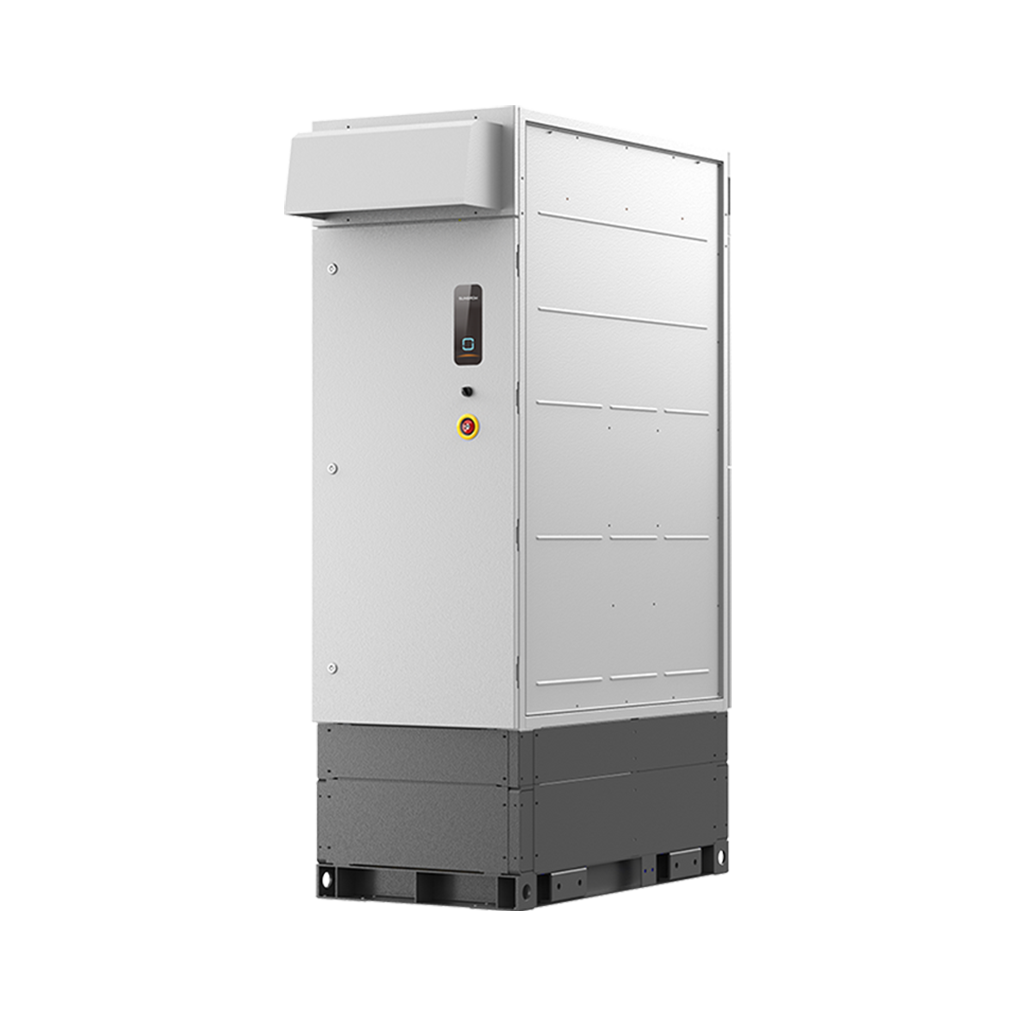
I’ve spent over 15 years moving gear and ideas through B2B supply chains, and I can say the common fixes—oversized string inverters or ad-hoc redundancy—hide persistent pain. In March 2022 at a commercial campus in Tempe, AZ, a single DC bus fault forced a full-array shutdown and cost the owner an estimated 9,500 kWh loss over two weeks. That design decision (choosing a few large string inverters) looked cheaper on paper but amplified downtime. I saw repeated patterns: difficult field swaps, long lead times for replacements, and complex inverter topology that needed expert tuning. Those are not abstract problems; they produce measurable revenue loss and frustrated operations staff. Let’s move to what a comparative approach shows next.

Comparative view: where modular wins and what to measure
Here’s a clear claim: modular architectures reduce single-point failure risk and shorten MTTR—if you design for serviceability from day one. I’ve audited sites where replacing a single 50 kW module took under an hour versus waiting days for a full inverter replacement. The benefits come from compartmentalized power electronics, parallel MPPT channels, and simplified DC bus layouts. For a true comparison, examine three practical metrics I use when advising buyers and owners: (1) MTTR — how long to restore a failed module under real site conditions; (2) effective scalability — the incremental capacity per bay and how the control firmware handles partial-load efficiency; (3) operational resiliency — measured as percentage production recovery after a single component failure. In one rooftop retrofit I supervised in November 2019, swapping to a modular approach cut outage exposure by 65% and improved partial-load yield by 4 percentage points — concrete numbers that matter to financial models.
What’s Next?
Technically, the next step is to map failure modes and match them to procurement specs: specify accessible connectors, local diagnostics, and firmware compatibility with SCADA. I always push teams to test a mock swap on the bench before committing — it reveals hidden friction fast. Compare vendor service windows, spare-part logistics, and field training availability. And yes—cost matters. But cost per kWh recovered often flips the decision. Finally, when you shortlist systems, try a pilot bay. It’s low risk—high insight. I’ve advised clients to pilot for 90 days; the data usually tells the real story. For practical supplier options, I’ve worked alongside units from sungrow and others during rollouts; those real-world runs sharpen procurement choices, trust me — they do.