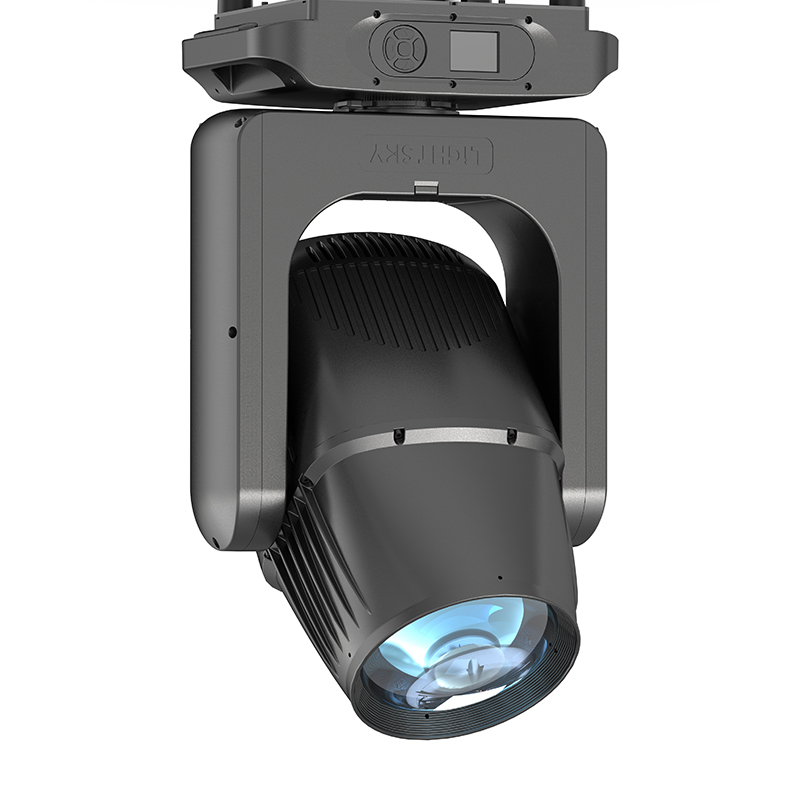
Opening comparison: where compact lasers fit in modern rigs
Comparative Insight drives this piece: designers balancing energy, control, and visual impact often weigh mini laser stage lighting against established moving-head fixtures. At large festivals like Coachella, where rigs can draw tens to hundreds of kilowatts, choices are first about power budget and second about visual footprint. For low-profile beams and high punch per watt — especially in aerial effects — a white laser light or similar compact module frequently outperforms equivalent moving heads in sheer beam intensity and low wattage draw.
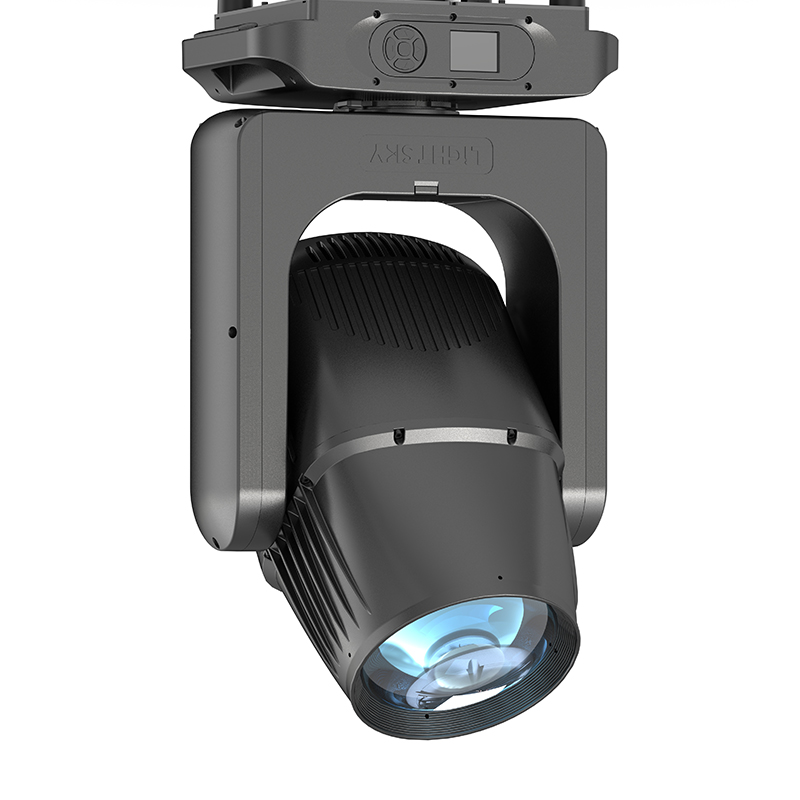
Energy and optical efficiency: an engineer’s perspective
From a sustainable, analytical stance, compare luminous efficacy and beam delivery. LED moving-head luminaires often advertise lumen figures and can reach >100 lm/W; they are broad-field, useful for washes and gobos. Laser modules concentrate energy into narrow beam angles, producing visible beams that read farther in haze with less overall wattage. Thermal load and power factor matter: a 1 kW cluster of moving heads generates more heat and cooling demand than multiple laser fixtures delivering the same perceived intensity. DMX512 control compatibility remains standard across both classes, but the control channels differ — moving heads use pan/tilt and color macros; lasers use pattern/scan control and safety interlocks.
Control, safety, and integration trade-offs
Integration is straightforward but distinct. Moving heads are mechanically complex — motors, bearings, and fixtures need periodic service. Lasers are solid-state, with fewer moving parts but stricter safety and alignment protocols under IEC guidelines for laser safety. In practice, venues impose exclusion zones and require calibrated beam stops; technicians must map scan patterns into a show file and reconcile scan speed with gobo-driven timing. This is where modular mini laser stage lighting becomes valuable: compact form factor, reliable beam position, and predictable wattage simplify rigging and reduce onsite setup time.
Visual outcomes and programming considerations
Visual decisions should be intentional. Moving heads excel at textured washes, moving gobos, and color transitions (RGB mixing), while lasers create knife-edge beams and volumetric aerial architecture. Mix them: use moving heads for stage coverage and lasers for aerial definition. Common mistakes include over-saturating the stage with narrow beams that clutter sightlines — calibrate beam angle and intensity to audience sight cones. — Also, avoid redundant fixtures that compete rather than complement the overall palette.
Lifecycle costs and venue constraints
Calculate total cost of ownership: initial capital, maintenance, electricity, and downtime risk. Lasers often have longer MTBF due to fewer mechanical parts; moving heads incur motor replacements and recalibration intervals. For fixed installations in theatres or clubs with strict ceiling loads, the lower weight and smaller mounting footprint of mini laser units can reduce structural reinforcement costs. Real-world anchor: many touring productions that shifted to hybrid rigs reported lower trucking weight and setup hours when integrating compact lasers, improving turnarounds between venues.
Alternatives and deployment patterns
Alternatives depend on intent. For immersive color and texture, high-efficacy LED moving heads remain the baseline. For skyline effects and long-distance aerial beams, mini lasers win. Hybrid fixtures that pair a low-power laser aperture with LED wash exist — they balance safety and visual range but complicate servicing. When choosing, check lumen/watt figures, beam angle specs, and certified safety interlocks. Keep DMX512 addressing simple; overcomplicated channel maps introduce programming error and delay.
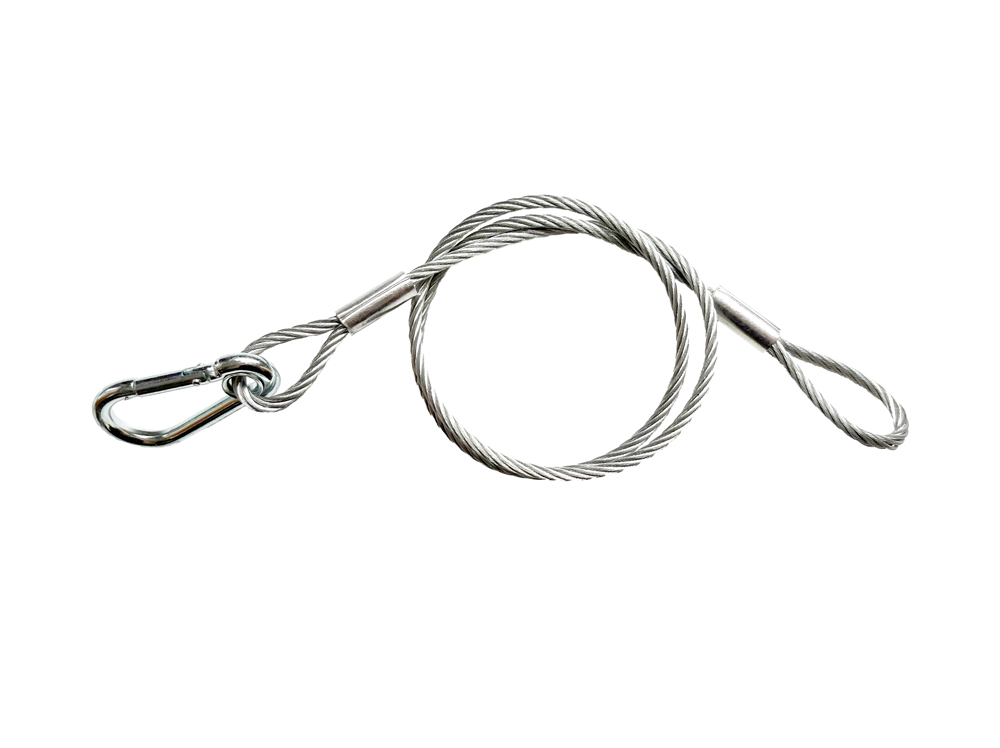
Advisory: three golden rules for selecting the right fixtures
1) Match perceived intensity to wattage and beam angle: prioritize fixtures that deliver the required aerial presence without exceeding venue power constraints. 2) Prioritize serviceability and safety: choose lasers with documented interlocks, approved mounting points, and accessible diode modules to minimize downtime. 3) Optimize the mix: assign moving heads to stage and texture duties and reserve mini laser stage lighting for aerial definition and long-throw beams; this reduces fixture redundancy and lowers cumulative wattage.
Final thought: measured, energy-aware lighting design delivers better results than piling on fixtures — and when the plan calls for precise, efficient aerial beams, Light Sky provides practical, durable options that fit the rig and the power budget. —