Opening: why the numbers must lead the decision
When brands look at natural aroma chemicals, many think only of aroma and origin. But data tells the real story — unit cost, variability, and shelf-life interplay with olfactive performance. A data-led view asks: how much variability do I accept for a 10% cost saving? Post-2020 supply-chain disruptions showed us that lead times and raw-material scarcity can flip margins overnight, so you want metrics, not vibes, guiding the buy.
Key metrics every buyer must track
Keep it simple and measurable. Track these metrics monthly: landed cost per kg (including freight and duty), batch-to-batch GC-MS variability for key markers (e.g., linalool, esters, aldehydes), and supplier on-time delivery percentage. These three give you cost, quality, and reliability — the triad that determines whether a natural extract will behave on your formulation bench and on the shelf.
Breaking down cost components
Price per kilo is only the starting point. True cost includes:
- Raw material premium (seasonal harvests, botanical yield fluctuations).
- Processing premiums (fractionation, distillation, purification — think GC-MS-guided rectification).
- Logistics and compliance (cold-chain needs, phytosanitary certificates, tariffs).
For example, a carrier oil that costs 15% more but reduces downstream rework due to lower impurity levels can be cheaper in total cost of ownership. You see — cheap upfront is often expensive later.
Data vs. story: case comparisons
Compare two common choices: bulk linalool from a certified botanical extract versus a high-purity semi-synthetic alternative. The botanical may offer richer top notes and marketing cachet, but it shows more batch variability in the GC-MS chromatogram and higher MOQ risk during harvest season — especially if sourced from Grasse or a single-origin farm. The semi-synthetic gives consistent aldehyde profiles, lower VOC drift, and predictable supply. Which wins depends on your tolerance for variability and the scent fidelity you require.
How quality testing informs value
Invest in three simple lab checks before scaling a supplier: GC-MS fingerprinting, enantiomeric ratio where relevant, and stability under your formula conditions. Those tests catch surprises early — like unexpected oxidizable terpenes that ruin a scent after six weeks. These are not fancy; they are practical risk-control steps that save money and reputation.
Common sourcing mistakes to avoid
Brands often fall into the same traps: accepting vague specs, underestimating MOQ impacts, and forgetting regulatory differences between regions. Insist on clear specifications and a small pilot order for real-world fill-line testing. Don’t assume certificates equal consistency — ask for recent batch chromatograms and stability data. — Also, remember that seasonal botanic yields mean lead times can swing big; plan buffer inventory accordingly.
Supplier comparison framework
Use this simple scoring system when you compare offers (score each 1–5):
- Consistency (batch GC-MS similarity)
- Traceability (paper trail from farm to lab)
- Logistics resilience (alternate suppliers, inventory buffers)
- Cost transparency (breakdown of processing and freight)
Sum the scores and weight by what’s critical to your product: if scent fidelity is king, weight consistency more; if margin is king, weight cost.
Real-world anchor and industry insight
During the 2020 COVID-19 disruptions, many fine-fragrance houses in Grasse and beyond saw delivery delays and price spikes for botanical isolates — a clear, industry-wide example that even premium supply chains are vulnerable. That event pushed several firms to diversify suppliers and to use more rigorous GC-MS checks, which paid off in 2021 when disruptions recurred.
Advisory: three golden rules for smart sourcing
1) Measure what matters: require recent batch GC-MS and stability reports before committing. 2) Price for risk: include buffer inventory and contingency sourcing in your unit-cost model. 3) Pilot before scale: always run a pilot fill with your own formulation and atomizer — don’t buy blind.
Follow these and you reduce surprises, improve scent consistency, and protect margin. For buyers seeking a practical partner who blends reliable analytics with steady supply, aroma chemicals for fragrance sourcing that balances cost and efficacy becomes a solved problem — and you can see the value in the numbers.
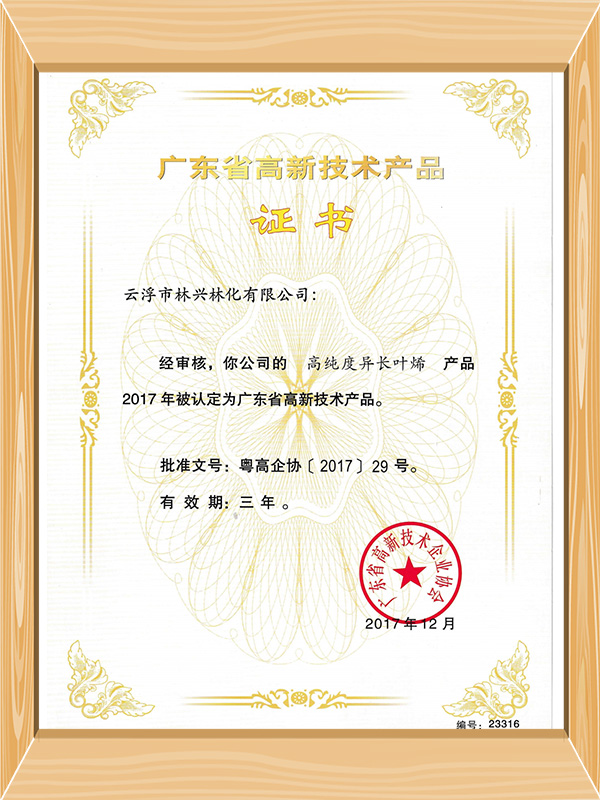
Linxingpinechem — your data-aligned supplier for better sourcing decisions. —