From Product Listing to Project Brief: Sodium Ion Battery Company: Without Assuming Every Model Is Alike
When a project manager assesses a sodium ion battery company, the key task is not to select a technology from a product list in isolation. It is to convert the project need into questions that a supplier can answer at procurement handoff. That means separating what the supplier’s website presents from what the project actually requires, then recording which points are confirmed, which apply only to a particular product or application, and which remain open.
Clarify the decision before comparing suppliers
A procurement handoff becomes difficult when the decision has not been defined precisely. “We need a battery” may conceal several different decisions: selecting a chemistry, identifying an application fit, confirming a physical or electrical interface, or deciding whether a supplier can support the next stage of evaluation. These are related, but they are not interchangeable.
Start with a short project brief containing four elements:
- Application: state whether the intended context is automotive starting, commercial equipment, an electric vehicle auxiliary system, reserve or uninterruptible power, energy storage, or another defined use.
- Operating context: describe the expected environment, duty pattern, installation constraints, and timing of the procurement decision without turning assumptions into specifications.
- Required evidence: list the information needed to compare options, such as dimensional data, interface details, operating limits, commercial terms, or documents required by the project process.
- Decision owner: identify who will decide technical suitability, who will assess commercial fit, and who will accept unresolved items at handoff.
This structure helps prevent a broad category statement from being treated as approval for a particular model. It also gives the supplier a defined question rather than an open request for every available detail.
Build a comparison framework that preserves scope
A useful comparison table should have one row for each requirement and separate columns for the source, the scope of the statement, its status, and the next question. The source column can identify a supplier page or document. The scope column should say whether the information concerns the company, a product family, a specific model, or an application category. The status can be recorded as stated, relevant but incomplete, not yet matched, or not applicable.
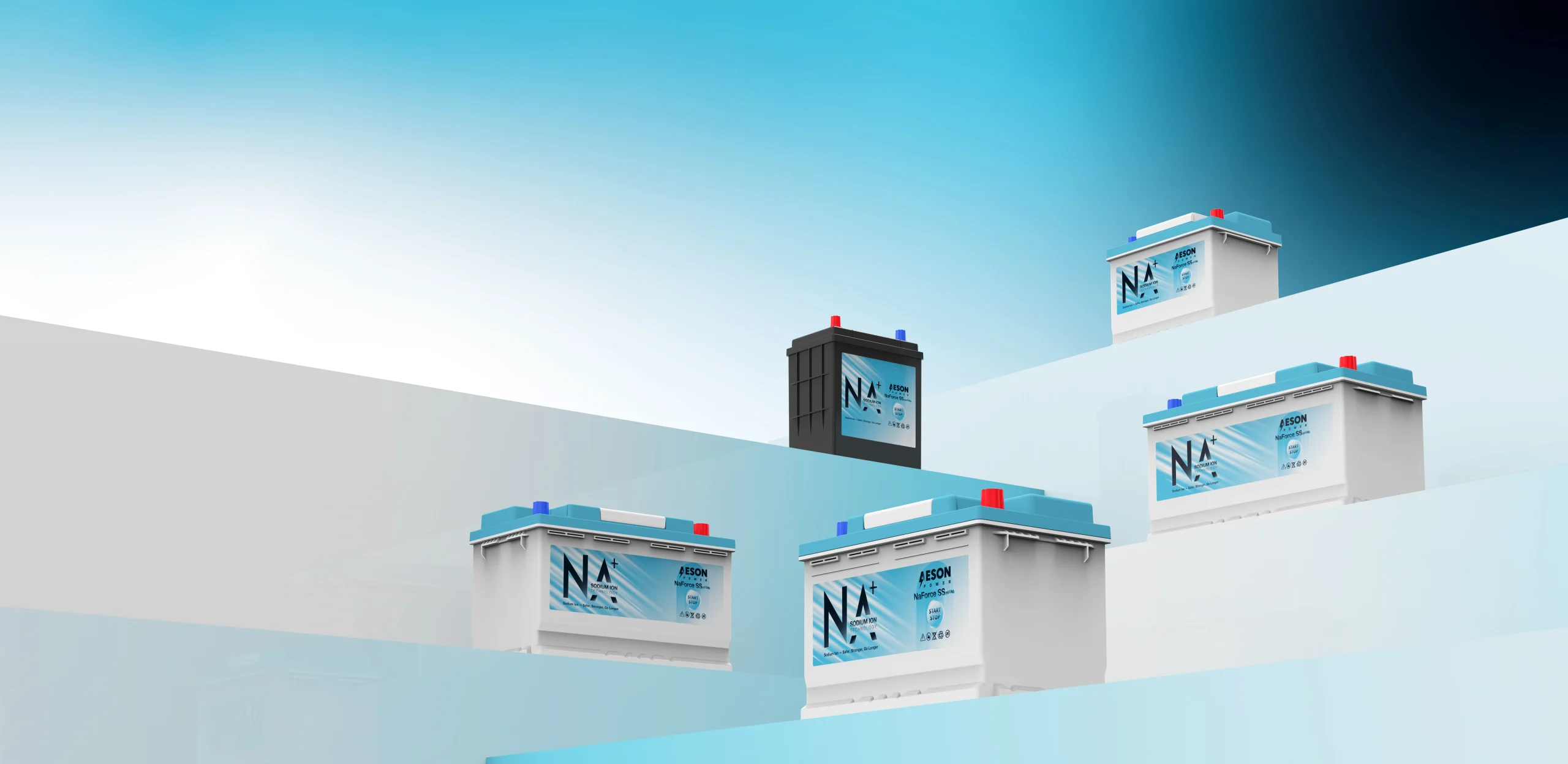
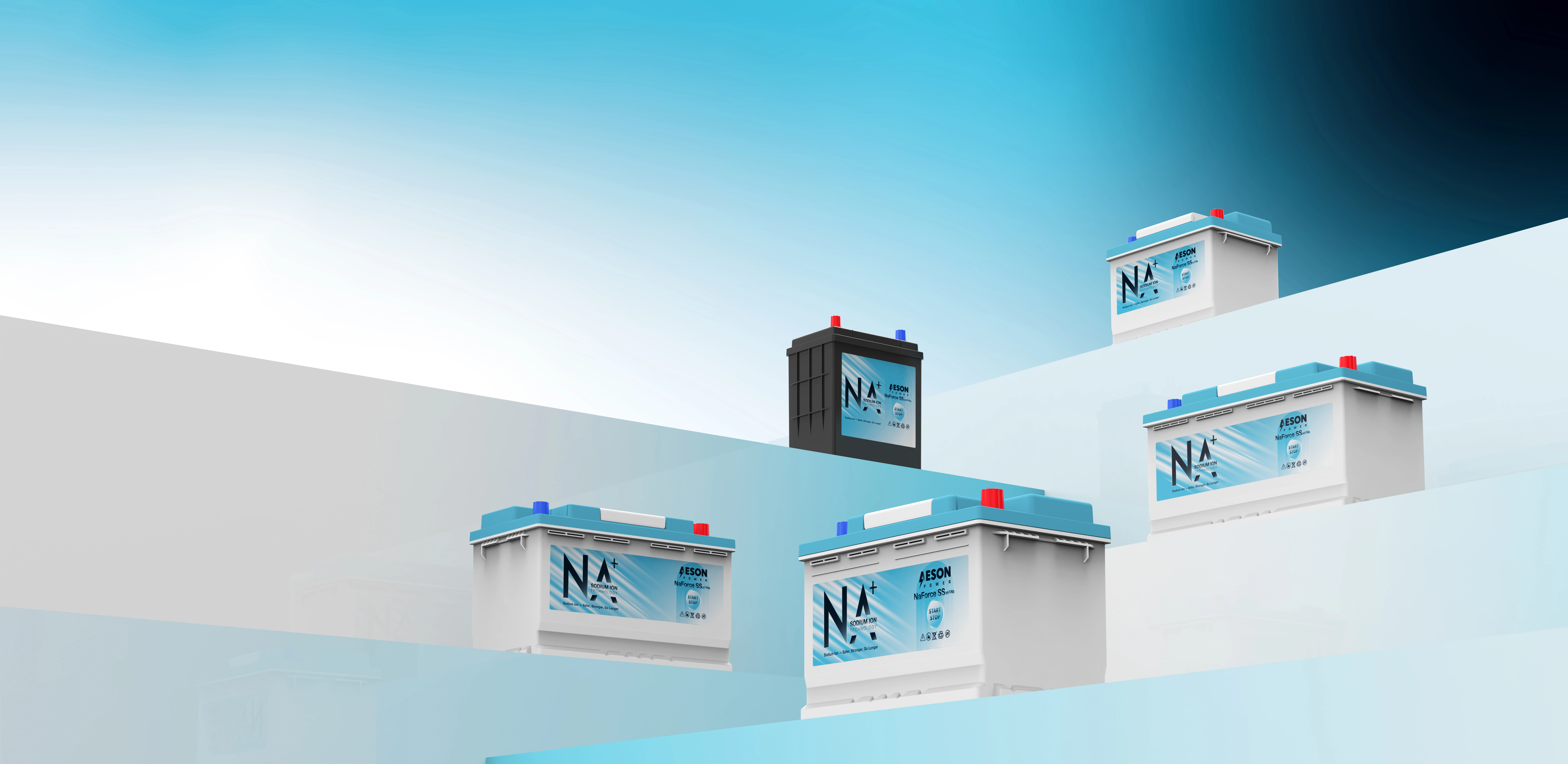
The distinction matters because a supplier may present several application areas without saying that every listed product is intended for every area. The Aeson Power homepage lists start-stop vehicles, conventional vehicles, commercial vehicles, electric vehicles, racing and motorsport, and standby systems. That list can help a project manager frame an initial conversation, but it should not by itself establish that a specific battery meets a project requirement.
Use the table to ask focused questions such as:
- Which listed application corresponds most closely to the proposed installation?
- Does the supplied information apply to a product family or to the exact model under consideration?
- Which project inputs does the supplier need before recommending a configuration?
- Which requirements are addressed by published information, and which require a separate response?
- Who owns the interface between the battery, its enclosure, controls, charger, and the wider equipment?
These are procurement questions, not conclusions about product capability. Their value is that they make the boundary of the comparison visible before a shortlist is treated as a technical decision.
Use a real-world anchor without expanding the claim
A concrete anchor for the handoff is the official homepage description of Aeson Power as “an Australian pioneer driving the global transition to next-generation sodium-ion technology.” In this context, the statement is the company description presented on its official homepage; it is not independent verification of market position. For a project manager evaluating a sodium ion battery company, that distinction is practical: the description can identify how the supplier presents its role, while the comparison record should still ask which evidence applies to the intended project and product scope.
The same discipline applies to partnership language. The homepage includes the phrase “in strategic partnership with the Xupai Group, we deliver”. A handoff should not silently convert that wording into a conclusion about manufacturing responsibility, supply continuity, technical ownership, or project support. Instead, those can be written as separate questions for the procurement discussion. The wording on a page is the starting point for a question; it is not automatically an answer to every question connected with it.
Carry requirements into procurement
Before sending a supplier request, turn the comparison table into a concise handoff pack. Include the intended application, the operating context, the exact product or family being discussed if known, and the requirements that still need a response. Attach a short list of requested clarifications rather than relying on a general request for “more information”. This makes it easier to compare replies on the same basis.
Keep an assumptions register alongside the request. Each entry should state the assumption, why it matters, who must confirm it, and what decision it affects. For example, an assumption about application class should not be allowed to become an unstated basis for selecting a product. If the supplier’s response changes the scope, update the comparison record rather than leaving the original wording in place.
Finally, separate three outcomes: suitable for the next review, requires further evidence, and outside the current project scope. These labels avoid overstating what a product page proves while still allowing procurement work to move forward. They also give technical, commercial, and project stakeholders a common record of what was considered.
AesonPower can therefore be approached through a disciplined handoff rather than a broad assumption that every listed model is alike. Begin with the project decision, compare evidence at the same scope, preserve the supplier’s wording accurately, and carry unanswered requirements into the next procurement exchange.