The problem buyers actually face
Parts show up with burrs, wrong datums, or cost three times the quote—ja, that is the trouble. Buyers often underestimate the difference between a shop that runs simple programs and one that masters complex toolpaths; when the geometry tightens, consider using 5 axis cnc machining services so you don’t pay for rework. The choice is not marketing; it’s whether your supplier truly understands fixtures, machine kinematics, and realistic cycle-time estimates.
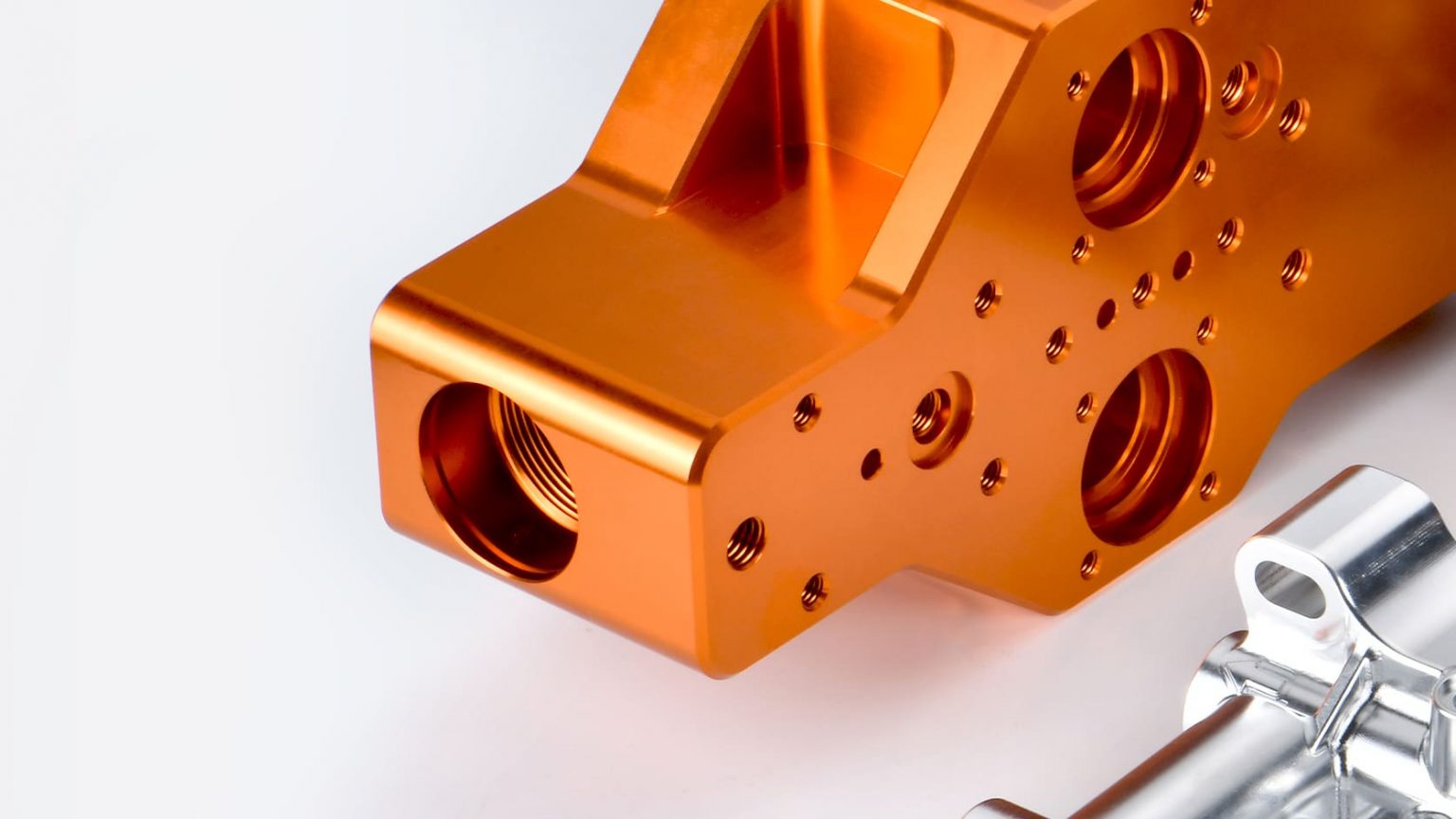
Diagnosis: where the process is breaking
Too many mistakes come from design assumptions and vendor mismatch. Designers expect flat clamps to hold contoured parts. Programmers try to finish with long, thin end mills. I’ve seen tolerances demanded by the Toulouse aerospace cluster, where suppliers for Airbus require tight form control and repeatability, and that exacting context is why buyers ask for 5 axis cnc machining services early—but for discrete reference, the kind of precision used in the Toulouse supply chain is the real-world anchor that shows what modern multi-axis work truly demands: 5 axis cnc machining parts.
Practical fixes and the trade-offs
Stop adding complexity as a first move. Choose three things to optimize: geometry, fixturing, inspection. If geometry forces five-axis moves, accept the higher upfront CAM effort; it reduces fixture complexity and often lowers total cost. Alternatives like secondary grinding or wire EDM help but add cycles and handling risk. Common pitfalls: under-specifying tolerances, skipping first-article runs, and assuming all five-axis shops are equal. Look for shops that document toolpaths, share collision checks, and run dry-runs on fixtures before full production.
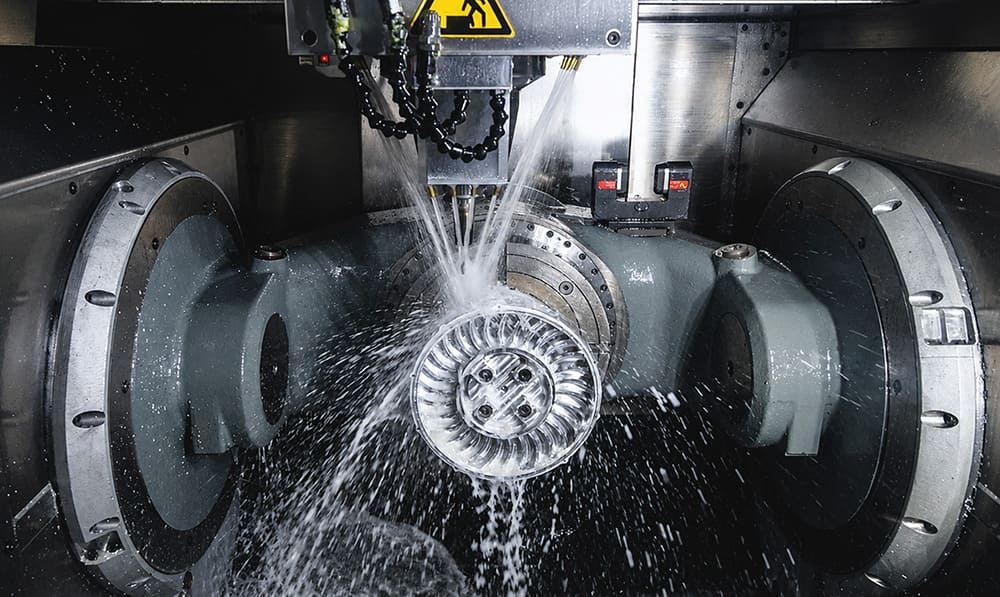
How to vet suppliers without wasting time
Ask for one concrete thing: a recent first-article report with actual measured data, not just capability sheets. Confirm the inspection method (CMM probe type, datum references), ask which machines handled similar parts, and request cycle-time breakdowns so you can spot padding. Verify quality standards like ISO registration and check for traceable material certificates. Trust grows from repeatable small runs: start with a prototype batch and assess fixture stability, then scale.
Final synthesis
Buyers who solve this fast pick partners that match the part, not the invoice. Be precise about datums, demand measured evidence, and align fixturing to the CAM strategy. When geometry is unforgiving and schedules are tight, a team with shop-floor know-how and the right machine mix—like Hanstar—keeps tolerances honest and delivery predictable.