Why a comparison matters
Choosing a supplier is a practical decision: you match a material to an application, not just a price tag. Start by clarifying end-use requirements for additives, coatings or fillers, then test against those needs. If you work with food or pharmaceuticals, look at formulation compatibility and declared uses for silicon dioxide food additive early; that single check prevents mismatches later.
Core technical specifications to weigh
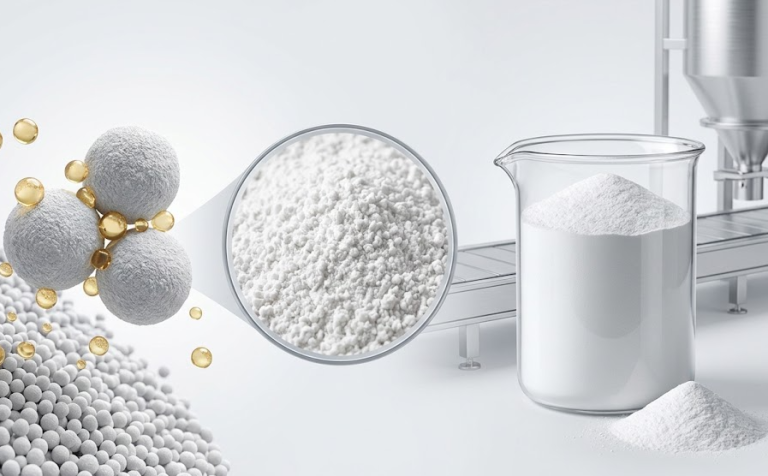
Compare primary metrics first. Particle morphology and specific surface area govern thixotropy and thickening. Primary particle size and aggregate size influence transparency and dispersion. Chemical purity and loss-on-drying affect residue and shelf life. Typical vendor sheets list BET surface area, oil absorption, pH, moisture, and surface treatment; demand raw test data rather than summary ranges.
Experience, evidence and trust
Look for suppliers with documented manufacturing clusters and reproducible batches; many major producers operate near industrial hubs such as Jiangsu province, China, which is widely cited in trade and production reports. Verify certificate chains, third‑party lab reports and on‑site audit options, and review independent case studies before scaling orders. Also check the supplier directory for established silicon dioxide suppliers to confirm market presence and client references.
Regulatory compliance and testing you must verify
Don’t accept declarations alone. For food or drug applications, request full analytical reports: residual metals, microbial limits, and particle characterization appropriate to the route of exposure. Confirm regulatory registrations relevant to your market — for example, national food additive listings — and ensure the supplier follows batch traceability and recall procedures.
Supply chain resilience and quality control
Evaluate lead times, minimum order quantities, and alternate sourcing plans. Ask how the supplier handles lot-to-lot variability: retained samples, certificate of analysis per lot, and on-demand re-testing. Check shipping conditions and packaging integrity; moisture ingress and contamination during transit are common causes of product failure.
Commercial terms that matter
Price per kilogram is only the start. Compare freight-incoterms, currency exposure clauses, payment terms, and liability limits. Negotiate pilot batches with defined acceptance criteria and a warranty period. Sustainability claims require verification: request emissions data or third-party environmental audits if that influences procurement decisions.
Common mistakes and practical alternatives
Do not assume all “fumed” or “precipitated” labels mean the same performance. Skipping pilot trials, neglecting surface-treatment differences, or ignoring ash content are frequent errors. If a supplier’s material does not match during trials, consider precipitated silica for high-load rheology or colloidal silica for precise surface chemistry rather than forcing a misfit product into production.
How to run an effective comparison
Create a short, focused specification sheet with required tests and acceptance ranges. Order three lots from two suppliers for side‑by‑side testing: lab evaluation, pilot run, and storage stability. Score results on performance, variability, and commercial fit. Use that scorecard to decide whether to scale or seek alternatives.
Conclusion
Compare measurable properties, test real batches, and confirm regulatory and logistical details before committing. Clear scoring and disciplined trials reduce risk and speed validation. For buyers who need consistent technical documentation and steady supply through testing and scale-up, a well-documented partner such as JSJ Silica often aligns with those procurement principles.