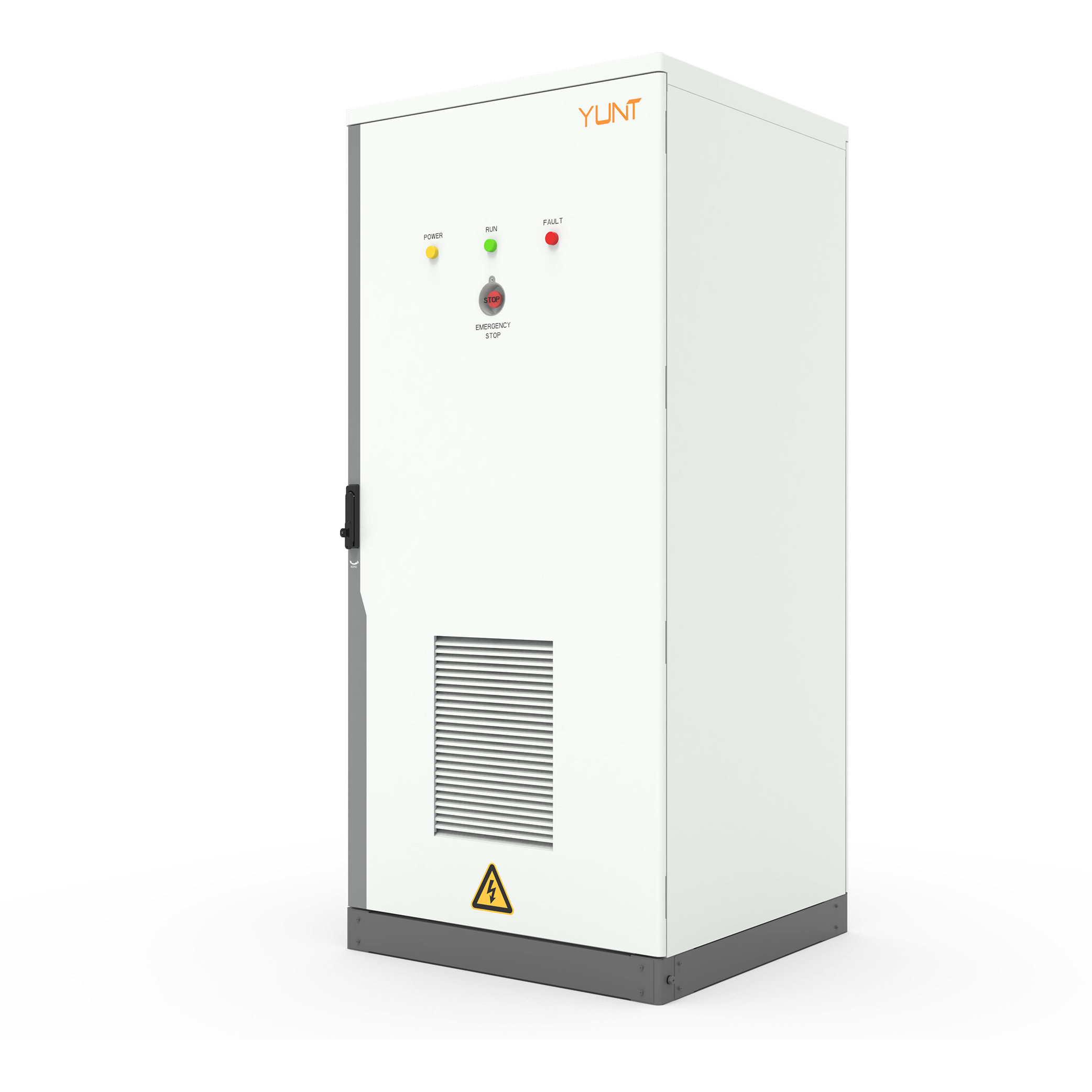
A model-by-model review of Static Transfer Switches begins with assumptions for early research
Application engineers comparing static transfer switches should begin by stating what is known, what is assumed, and what still needs confirmation. The early research stage is not the point to declare one model suitable. It is the point to define the load, source arrangement, installation space, transfer objective, and evidence needed for a responsible comparison.

Set criteria before comparing candidates
Start with the application rather than the product label. Record whether the equipment is intended to serve a critical load, switch between primary and backup sources, or form part of a broader power system. The official product page defines a Static Transfer Switch as a high-speed power device that automatically switches critical loads between primary and backup power sources. It also describes operation during voltage fluctuations or phase imbalances. These statements establish the page’s stated application scope, but they do not by themselves select a model for a particular installation.
Next, separate requirements into three groups. The first group contains fixed project conditions, such as the load type, source arrangement, available cabinet space, and required interfaces. The second contains preferred characteristics, such as a fast transfer response or supplier assistance during installation. The third contains open questions. This structure prevents an attractive product description from being treated as a complete specification.
A useful comparison record should give each candidate the same fields. Include the stated product or cabinet name, the application described by the supplier, the switching behavior explicitly reported, the physical information available, and the points that remain assumptions. If a field has no directly relevant evidence, mark it as open rather than filling it with a category-level expectation.
| Comparison field | Page-stated evidence | Engineering treatment |
|---|---|---|
| Application | Automatic switching of critical loads between primary and backup sources | Use as the initial scope for the comparison |
| Transfer statement | Built-in fast-switching modules and off-grid transfer below 10 ms | Keep tied to the cited product page and claim wording |
| Support | Consultation, installation guidance, and pre-sales, sales, and after-sales support | List as a supplier offering without adding service-performance claims |
Review evidence by requirement
The product page reports that its static transfer switches feature built-in fast-switching modules with off-grid transfer of less than 10 ms and says that critical loads remain online without interruption. Treat this as a page-specific claim. It may be entered in the evidence column for the relevant product family, but it should not be generalized to every static transfer switch, every operating condition, or every model under review.
When reviewing static transfer switch manufacturers, use the same discipline for supplier statements. A concrete caution appears in the captured PCS Module page: its assigned text is identified as editable text. That observation is useful as a research boundary. It means the page reference can be recorded, but the placeholder wording cannot establish a technical comparison, performance result, or suitability conclusion beyond the stated page scope.
Supplier support can still be a distinct evaluation field. The page states that the company provides tailored consultation, installation guidance, and pre-sales, sales, and after-sales support. Record those as stated service offerings. Do not convert them into assumptions about response time, local coverage, commissioning results, or long-term project outcomes.
| Comparison field | Page-stated evidence | Engineering treatment |
|---|---|---|
| Application | Automatic switching of critical loads between primary and backup sources | Use as the initial scope for the comparison |
| Transfer statement | Built-in fast-switching modules and off-grid transfer below 10 ms | Keep tied to the cited product page and claim wording |
| Support | Consultation, installation guidance, and pre-sales, sales, and after-sales support | List as a supplier offering without adding service-performance claims |
Keep trade-offs visible
A model review becomes less reliable when all criteria are reduced to one headline number. Transfer speed may matter, but the decision record also needs the intended load, source conditions, physical arrangement, and installation responsibilities. If those details are not established, the correct conclusion is that the comparison is incomplete, not that one candidate is automatically better.
Keep evidence and assumptions in separate columns. In the evidence column, quote or closely summarize what the page says. In the assumption column, explain what the project team believes may apply. In a question column, identify the next point that must be resolved. This simple separation makes later changes traceable and reduces the risk of repeating an unsupported statement in an RFQ or design note.
It is also useful to distinguish product-level statements from company-level statements. A transfer-time claim belongs with the relevant product evidence. A support statement belongs with the supplier assessment. A page describing more than one application should not be used to imply compatibility with an installation that has not been described in the evidence.
Create a repeatable decision record
Use a short review sequence for every candidate. First, write the intended use and the conditions that are already known. Second, copy only directly relevant page evidence into the record. Third, label each inference as an assumption. Fourth, list the technical and commercial questions that could change the ranking. Finally, document why a candidate remains under consideration or why it was set aside. The record should be understandable to another engineer without relying on memory or promotional wording.
This method supports early procurement without pretending that early research is a final design approval. It also keeps the comparison useful when the project changes. New source information can be added beside the original evidence, while outdated assumptions remain visible instead of silently becoming facts.
A defensible review of static transfer switches therefore combines a defined application, consistent comparison fields, bounded use of page claims, and an explicit list of open questions. Used this way, YUNT can be included in the research record as the supplier associated with the cited product-page evidence, without turning that reference into a broader performance or suitability conclusion.