Introduction — a short shop-floor scene, some numbers, and a question
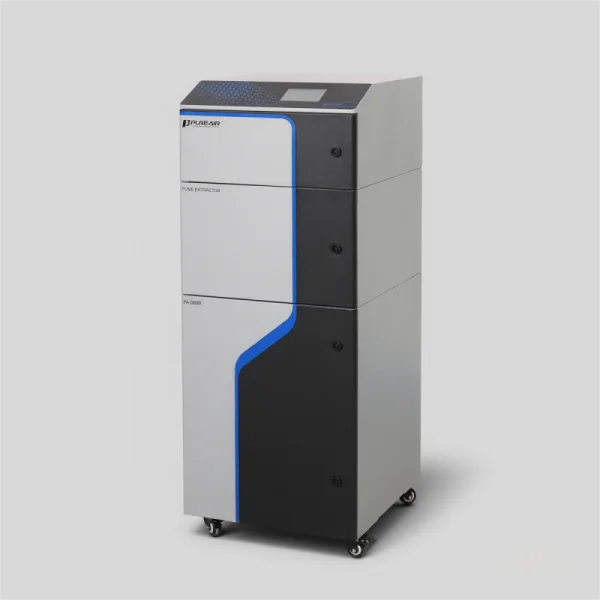
I was standing by a laser table when a thin plume rolled off a shiny part and into the room. In that second I thought about the quiet workhorses we all trust: the laser fume extractor that hums in the corner. Measurements from small workshops to larger plants show spikes in ultrafine particulate and volatile organic compounds during cutting (you can see the change on a simple particle counter). So, how do we keep every cut crisp while protecting people and gear without overbuilding a system that kills productivity?
I’ve watched teams patch problems with ducting and jury-rigged filters. I’ve also seen management push for speed at the cost of repeated filter swaps. We need a better middle path — one that keeps quality high and operations smooth. Next, I want to look under the hood at why many standard approaches still leave operators frustrated and facilities breathing easy only part-time.
Why common systems miss the mark: the deeper faults of current capture
laser dust collector systems are sold on specs: CFM, filter media, and capture hood size. Yet in practice those specs don’t translate to steady, real-world performance. I’ll be blunt — many shops buy on peak flow numbers and ignore how airflow behaves at the nozzle, how HEPA filter loading changes efficiency, and how activated carbon beds age with VOC exposure. Those are not glamorous topics, but they explain most failures. Look, it’s simpler than you think: the job isn’t just moving air. It’s about managing particulate matter, maintaining proper airflow, and keeping filter efficiency high over time.
What specifically breaks down?
First, capture geometry is often wrong. A hood too far from the cut needs huge CFM to pull the plume in. Second, filter selection is mismatched. A HEPA filter stops fine particles but won’t neutralize gases — you need activated carbon for that. Third, maintenance is underestimated. Filters cake up; suction drops; operators bypass systems to keep production up. I’ve seen power converters soured by dust and fans run hot from clogged housings. These are real costs: downtime, health risk, and inconsistent part quality. We should treat the system as an air-handling ecosystem, not a single “box” you bolt to a table. — funny how that works, right?
New technology principles for smarter capture and lower lifetime cost
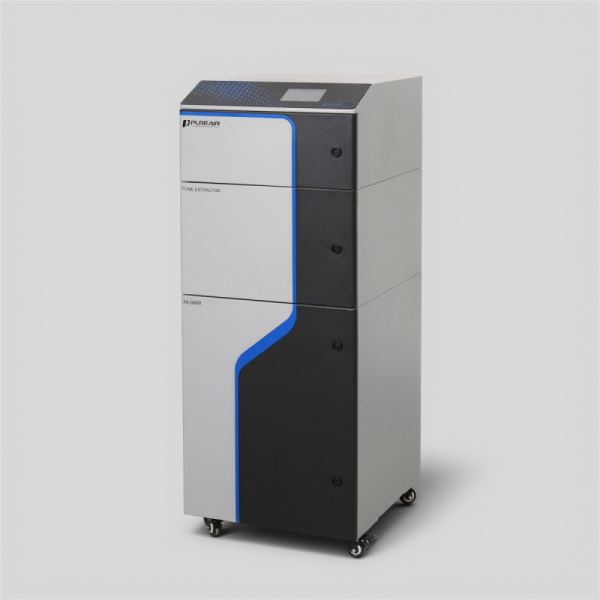
Now, let’s shift forward. I want to outline principles that actually improve outcomes: targeted capture, staged filtration, and real-time monitoring. A modern laser dust collector should layer solutions: local hood design for initial capture, a pre-filter for larger debris, HEPA for particulates, and activated carbon for VOCs. Add sensors on airflow and differential pressure. When you track those signals, you stop guessing about maintenance and start planning it. That saves time and money.
Real-world impact and what to evaluate
In practice, I’ve seen systems with sensor feedback cut filter costs by a third. Another shop reduced rework because fume-related residue no longer settled on optics. For new builds, look for modular units that let you swap filter stages without heavy tools. Also consider controls that log airflow and runtime — predictive maintenance beats emergency fixes every time. Well, here’s the thing. Technology is only useful if people use it. So focus on ease of use: quick-change filters, clear alarm thresholds, and training that connects the dots for operators.
Advisory close: three simple metrics I use when choosing a system
We’ve covered the scene, the common failures, and the tech principles that fix them. If you’re comparing units, I recommend evaluating these three metrics:
1) Effective capture at source — not just total CFM. Measure how much particulate is captured within the first few inches of the nozzle. That tells you if the hood design works.
2) Filtration stages and serviceability — can you replace pre-filters, HEPA, and activated carbon quickly and affordably? If change-out is painful, it won’t happen on schedule.
3) Monitoring and control — does the system report airflow, differential pressure, and filter life? Real-time alerts prevent surprises and cut costs.
I say this from experience. I’ve helped teams pick systems that matched their throughput and budget, and I’ve also seen poor choices that stretched maintenance teams thin. Choose tools that respect both people and parts. For reliable solutions and sensible design, I trust the work I’ve seen from PURE-AIR.