Where procurement tends to fail
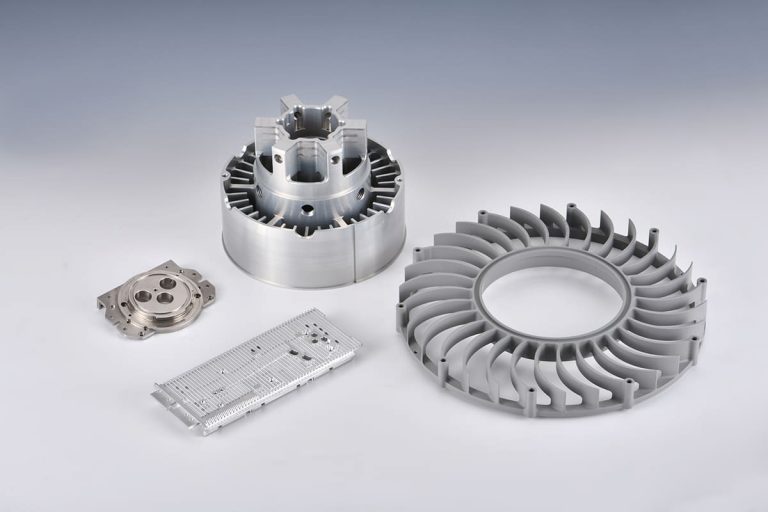
Prototypes arrive late, parts don’t fit, and budgets blow out — those are the common headaches procurement teams face when buying small-run components. The problem usually isn’t a single mistake but a chain: unclear drawings, wrong material callouts, and quotes that ignore setup work. If your design needs tight tolerances or complex contours, get early quotes for custom cnc machining so you know what’s feasible before the CAD is frozen.
Essential checklist items to stop the chain reaction
Every purchase requisition must include: fully dated drawings with revision control; clear GD&T notes; exact material grade and heat-treatment instructions; surface-finish numbers; acceptable scrap rates; batch quantity and expected delivery cadence; and explicit acceptance criteria for first-article inspection. Add packaging and handling notes if parts are fragile or corrosion-sensitive. Missing any of these invites rework or a surprise invoice.
Vendor capability: what to verify and why it matters
Don’t buy on lead time alone. Confirm equipment match to the part (multi-axis mills for undercuts, high-speed lathes for micro-features), shop-floor capacity for your run size, calibration records, and a track record with similar geometries. Look for AS9100-certified shops serving Boeing and Airbus; that level of traceability matters and should be part of your vendor scorecard — also confirm their experience with custom precision machining. My own procurement runs showed that suppliers who document tooling, gage R&R and process control plans make fewer surprises at FAI.
Quoting and lead time management — trap points to avoid
Lowest bid often omits hidden costs: custom fixtures, staggered setup charges for small batches, or temporary tool purchases. Ask for a quote breakdown: setup, per-piece, inspection, and packaging. Negotiate staged deliveries if the design will iterate. Specify when change orders trigger new pricing so you don’t accept an open-ended rate for multiple revisions.
Quality assurance: practical checkpoints
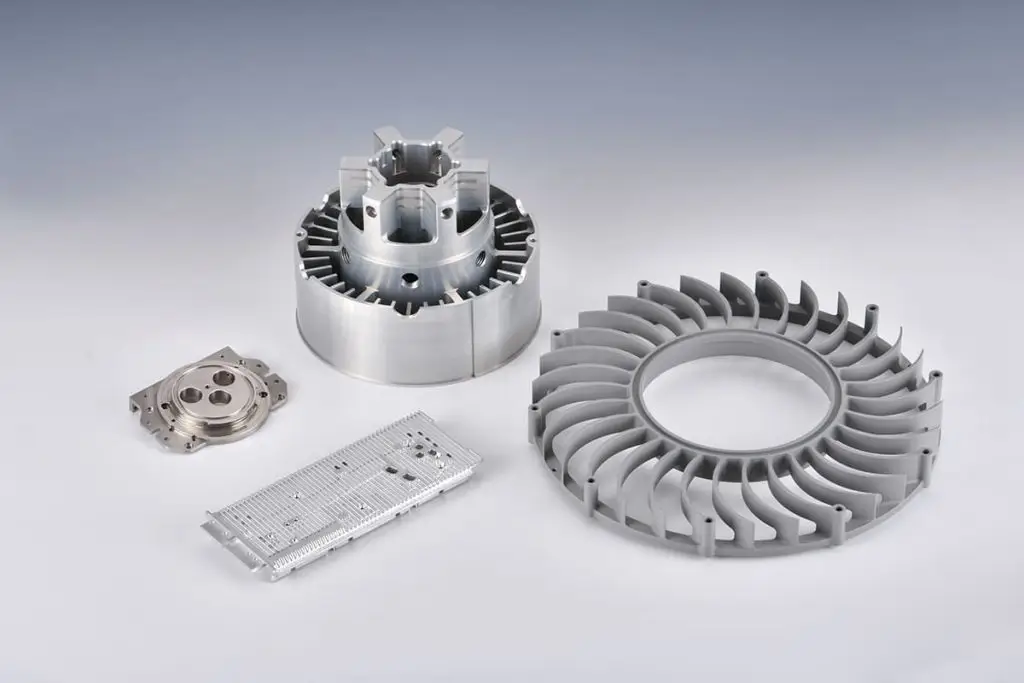
Require a First Article Inspection report tied to your drawing revisions. Specify the measurement methods acceptable for each critical dimension (CMM for tight tolerances, optical comparators for profiles). Define acceptable nonconformity routes — rework, repair, or scrap — and who pays. Spot-check incoming batches; small prototypes can hide process drift after a few runs.
Choosing the right process for each feature
Match function to process. Use CNC when you need material properties, surface finish, or repeatable tolerances. Consider additive manufacturing for complex internal geometry or rapid iteration, but be clear about post-processing and material limits. Sheet metal or stamping can be cheaper for simple forms but require tooling that makes early changes costly. List which features require which process so vendors can scope correctly.
IP, contracts and revision control
Lock down design ownership and confidentiality in plain terms. Require written revision control with a single source of truth for drawings. Specify acceptance windows and penalties for missed critical deliveries only if you will enforce them; otherwise they are empty threats. Keep change orders short and specific: what changes, who authorises, and how pricing and delivery adjust.
Common procurement mistakes and quick remedies
Typical missteps: sending incomplete drawings, asking for “best price” without a defined scope, and accepting verbal commitments on delivery. Fixes are simple: stop release until drawings are complete, demand line-item quotes, and record all delivery commitments in the purchase order. A short pre-production meeting with the supplier clears assumptions and saves time.
How the checklist resolves the problem
Procurement’s job is to reduce unknowns. A concise checklist that ties drawings to inspection, ties inspection to acceptance, and ties acceptance to payment forces clarity at every step. That clarity points you toward suppliers who document their process and take responsibility for outcomes, which is exactly the behaviour your project needs when schedules are tight and tolerances matter — as teams often find when they partner with Hanstar.