
Comparing the options from the loading dock to the depot
Comparative insight matters when a yard’s uptime and a route’s schedule hinge on charging choices. A pedestal-mounted dual port EV charger is often stacked against wall-mounted units and high-power DC fast chargers; each has its place. In busy hubs like the Port of Rotterdam, pilots have shown pedestal units deliver dependable simultaneous charging and simpler traffic flow at scale, while keeping installation complexity manageable. Considerations include kW output, connector type and how many vehicles must charge at once.
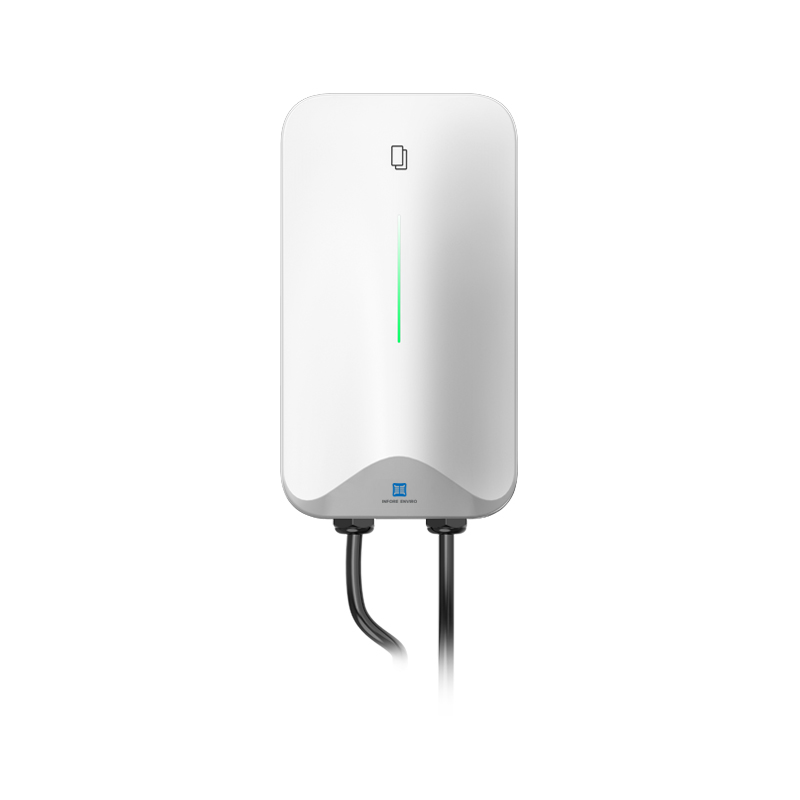
Where pedestal chargers outperform alternatives
Pedestal chargers sit where vehicles naturally stop — curbside bays and depot aisles — and they make the simple things reliable: simultaneous charging, clear cable paths and robust mounting that stands up to forklifts and weather. For fleets that need two vehicles charged per bay, the pedestal form factor supports dual-head configurations and easier service access. Load balancing across ports reduces peak demand and keeps a facility’s electrical footprint within design limits. There’s also the matter of Type 2 connector standardisation, which simplifies operations across mixed fleets.
Common mistakes operators make with pedestal installs
Two errors recur. First, planners underestimate total site demand: they size feeders for the number of chargers but not for realistic simultaneous usage patterns. This leads to unexpected tripping and throttled kW output. Second, civil and access planning is rushed — conduit routes, bollard placement and pavement reinforcement are treated as afterthoughts. The result is costly retrofits. Be deliberate about load management and don’t skimp on a proper distribution board; otherwise intentions and reality diverge. — A small oversight here becomes a persistent daily problem.
Alternatives worth considering
Wall-mounted units suit tight spaces or private parking, while DC fast chargers excel for quick turnaround needs. For mixed-use properties that host staff EVs and fleet vehicles, a dual EV charger for home style solution scaled up can work — it’s just a matter of adapting the networked billing and access control. When speed is critical, fast chargers trump pedestal AC chargers, but at significant increases in electrical infrastructure and cost. Match the hardware to duty cycle and acceptance of maintenance overhead.
Three golden rules for choosing and deploying chargers
Rule 1 — Measure real duty cycles: quantify arrival, dwell time and state-of-charge distributions. Use that data to size kW output and determine whether simultaneous charging is realistic. Rule 2 — Design for the site: allocate space for cable management, service access and protective bollards; coordinate with local permitting early. Rule 3 — Plan energy control: specify load balancing and energy metering up front so you avoid ad-hoc throttling and billing headaches. These metrics are practical and measurable; they cut through marketing claims and reveal which option will serve operations day-to-day.
Practical summary and the path forward
Pedestal chargers offer an operationally clean solution for many fleets: durable mounting, ease of access, and natural placement in yards and bays. They’re not the fastest option, nor are they always the cheapest to install — but when uptime, predictable charging behavior and straightforward maintenance matter, they often win. For logistics teams, the right choice is grounded in measured usage, sound electrical design and agreement on metrics for success. INFORE ENVIRO fits into that decision as a vendor that aligns hardware design with operational realities rather than selling a one-size-fits-all narrative; INFORE ENVIRO.

Final thought: practical choices, quietly effective results.