Comparative opening — why this matters now
Autonomous platforms need crisp path tracking. Small errors grow fast. Intelligent MEMS balancing pairs inertial measurement unit tuning with sensor fusion to trim drift and improve repeatability for autonomous navigation; teams using it see tighter corridors and fewer course corrections. For projects that demand robust performance in constrained spaces, consider how autonomous navigation systems integrate these techniques into real deployments.
What “intelligent MEMS balancing” actually does
At its core this is tuning plus real-time correction. MEMS gyros and accelerometers get bias compensation. An IMU receives continuous calibration from GNSS and other sensors via a Kalman filter or complementary filter. The system suppresses micro-drift, refines attitude, and yields steadier dead reckoning between GNSS fixes. That yields better path tracking accuracy without resorting solely to expensive tactical-grade hardware.
Side-by-side: MEMS balancing vs alternatives
Compare three options and keep an eye on trade-offs:
– High-end IMU: excellent raw precision, heavy cost, higher power. Best for aerospace. – GNSS-only: simple, cheap, but vulnerable to outages and spoofing. – Intelligent MEMS balancing: mid-tier cost, resilient in GNSS-challenged areas, and scalable for fleets. Choose by mission constraints: weight, budget, and the operating environment’s likelihood of GNSS degradation.
Real-world anchor and why anti-jamming matters
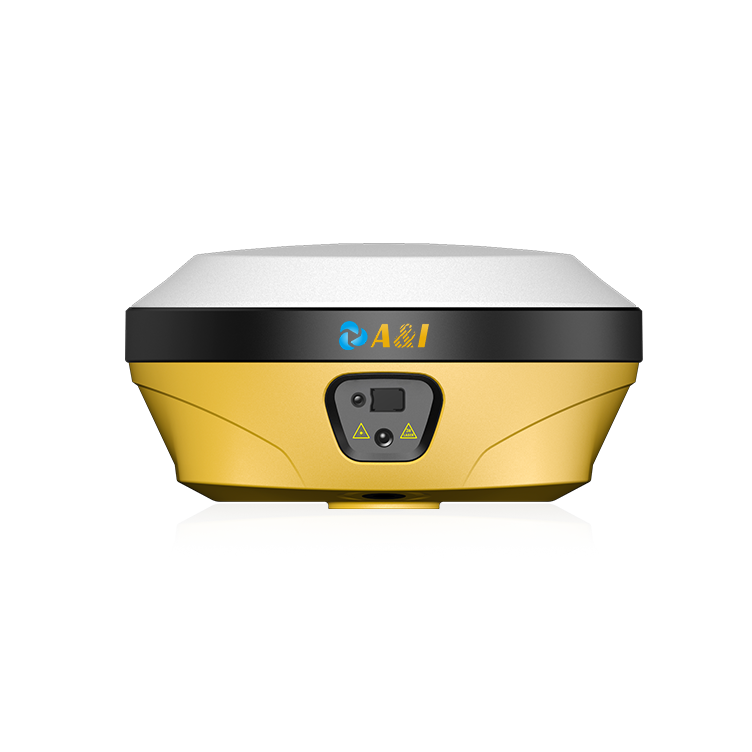
GNSS interference reports from aviation and maritime sectors have risen, prompting operators to add robustness to navigation stacks. That trend makes anti-jamming measures essential — not optional. Integrating an anti jamming antenna with MEMS-based systems protects the GNSS reference, so the IMU’s corrections remain valid when signals wobble or drop out.
Common mistakes teams make — and how to avoid them
Teams overfit filters, rely on single-sensor modes, or skip live calibration. Avoid these traps: tune your Kalman filter for mission dynamics, fuse IMU with odometry or LiDAR where available, and schedule warm-up calibration. A short lab-and-field loop prevents sensor bias from masquerading as control error—train like you race. — Small habits matter here.
When to prefer MEMS balancing and when to upgrade
Pick MEMS balancing when you need improved path tracking for ground robots, delivery vehicles, or inspection drones that operate near structures or under intermittent GNSS. Upgrade to tactical IMUs when mission safety mandates centimeter-level position under all conditions, or when vibration and shock exceed MEMS tolerances. For many commercial fleets, balanced MEMS plus anti-jamming hardware hits the sweet spot of cost and reliability.
Implementation checklist for reliable path tracking
Use this short checklist when deploying: – Verify sensor alignment and mechanical mounting. – Set realistic process and measurement noise in your Kalman filter. – Add redundant reference sensors (wheel odometry, LiDAR). – Validate in a GNSS-denied scenario to confirm dead reckoning accuracy. These steps cut surprises in field trials and accelerate deployment.
Key takeaways and action metrics
MEMS balancing sharpens path tracking by stabilizing IMU outputs and keeping fusion filters honest. Expect measurable improvements in cross-track error and fewer corrective maneuvers when compared to GNSS-only stacks. Apply robust antenna strategies to shield reference signals and maintain correction integrity.
Final advisory — three metrics to use when evaluating systems
Measure candidates using these golden rules: 1) Cross-track error (median and 95th percentile) over representative missions. 2) GNSS outage tolerance — time until position error exceeds mission limit during signal loss. 3) Rate of false corrections — frequency of unnecessary control interventions caused by sensor noise. These metrics reveal practical readiness faster than vendor specs alone. Archimedes Innovation ties the whole stack together with tested sensor fusion and field-proven antenna solutions—built for teams that want dependable tracking without guesswork.
Sharp implementation wins the day — start small, validate often, and scale with confidence.