Problem summary
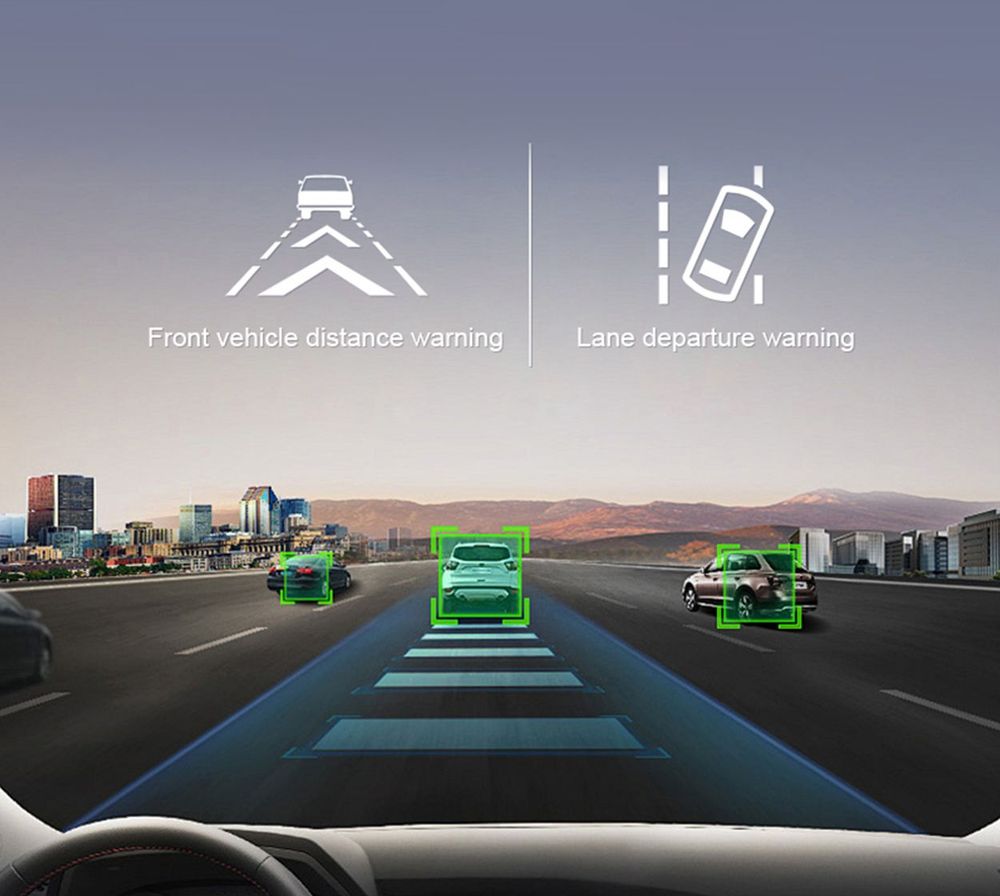
Mining sites run tight margins and tight schedules. When dispatch, vehicle tracking and collision avoidance live in silos you get late loads, uncontrolled idling, and safety incidents. Operators need clear location data, deterministic task assignment, and collision warnings that actually act on the vehicle — not just a map pin. For teams that manage oil and gas fleet logistics alongside mining support, a single practical blueprint for integration matters; see a working example of oil and gas fleet management to understand how solution pieces align in industrial settings.
Why integration fails — root causes
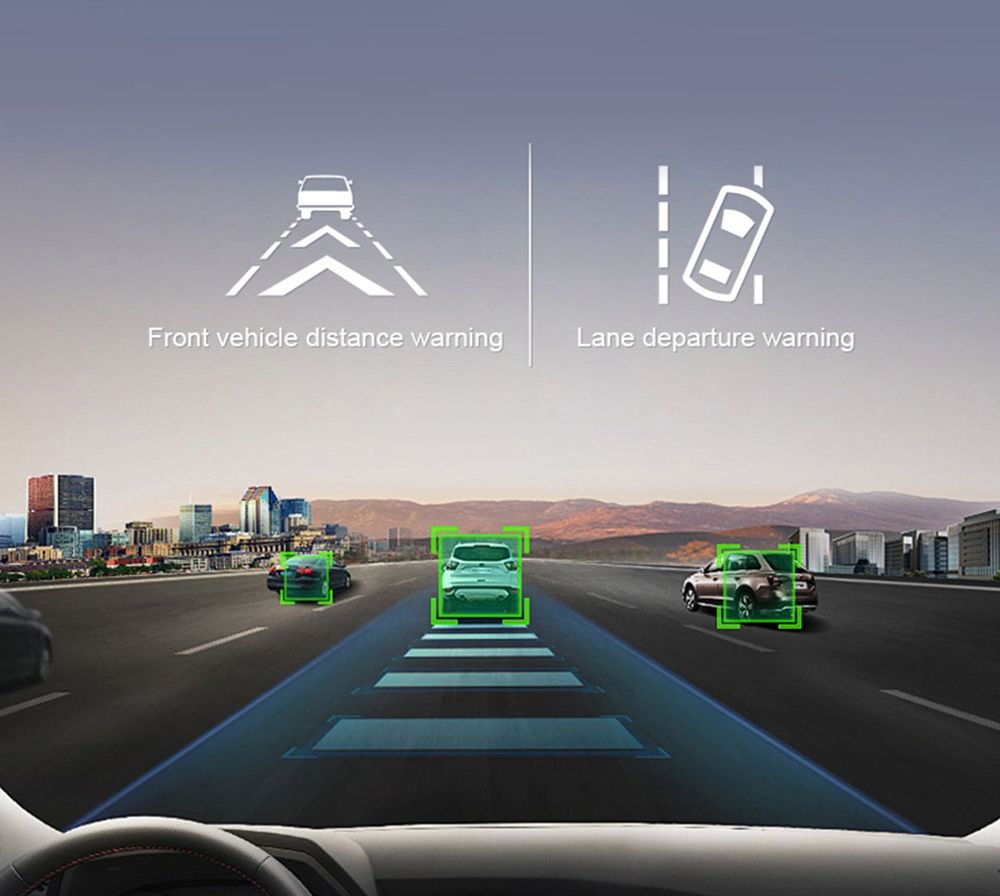
Problems repeat because systems were chosen independently. Typical failure modes:- Mismatched data cadence: GPS updates at 1 Hz, dispatch expects 10 s batches.- Non-actionable position data: coordinates without vehicle heading, PTO state or load status.- Latency blind spots: collision alerts arrive slower than braking time.- Proprietary protocols: telematics locked behind vendor APIs that block downstream fusion.Fix the data model first. Make every telemetry field mean something to dispatch and to collision-avoidance logic.
Essential functions an integrated stack must deliver
Keep requirements concrete:- Deterministic position and velocity: GNSS + IMU fusion, 5–10 Hz typical for heavy equipment.- Vehicle-state telemetry: CAN-bus or J1939 channels for PTO, gear, brake pressure.- Low-latency event bus: MQTT or equivalent for sub-second collision alerts.- Command channel: dispatch must send task assignment and route adjustments to an onboard gateway.- Audit trail: time-stamped logs for incident review and compliance.These are minimums. If your stack omits any, expect manual workarounds.
Integration checklist for engineers
Use this sequence on site:1) Map physical signals to a canonical schema (position, speed, heading, wheel-slip, brake state).2) Normalize timestamps to UTC and choose a single clock source for event ordering.3) Implement a publish/subscribe layer for telemetry and control messages.4) Add a safety layer that consumes telemetry at higher priority than non-safety tasks.5) Test closed-loop response: inject a near-miss and measure end-to-end latency.Follow these steps and you turn fragmented components into a predictable system.
Common implementation pitfalls
Watch for these traps:- Trusting cell coverage: many sites have dead zones; plan store-and-forward plus mesh fallback.- Overloading the gateway CPU with non-essential processing.- Treating collision alerts as notifications only; they must feed actuators or driver HMI with clear action.- Ignoring environmental sensors: dust and vibration affect lidar and camera reliability.Address these before go-live. Field validation is not optional.
Technology primer — what to choose and why
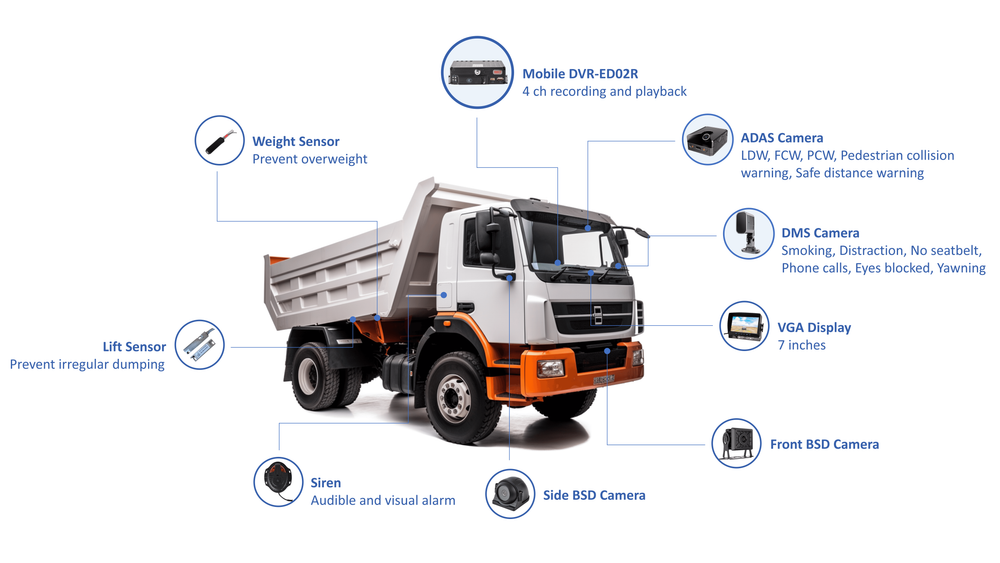
Practical choices that work in heavy-vehicle contexts:- GNSS with raw RTK optional for docking tasks; GNSS + IMU for continuous tracking.- Telematics gateway with CAN/J1939 and support for Ethernet sensors.- Sensor fusion for collision avoidance: radar for long-range, short-range radar or ultrasonic for close proximity; cameras for context.- Message layer: MQTT for telemetry, REST for non-real-time ops, WebSocket for dashboards.Match hardware to duty cycles and environmental constraints rather than chasing the newest sensor.
Vendor and architecture considerations
Vendors vary. Compare on these dimensions:- Open APIs and documented schemas.- Onboard rule engine for local safety decisions.- Support for offline workflows and edge analytics.- Proven deployments in industrial extraction zones.For reference on industrial use-cases and vendor features in similar operations, review implementations of fleet management in oil and gas industry to see how mines and rigs share architectural patterns.
Testing, metrics, and operator training
Make tests measurable:- Latency target: collision-alert delivery 99% during shift hours.- False-positive rate: keep nuisance alarms under control through parameter tuning and sensor fusion thresholds.Train crews on HMI expectations and escalation. Human factors reduce incidents more than any single sensor.
Field experience and evidence
Lessons come from live sites. Over multiple deployments and direct work in the Permian Basin, teams that combined deterministic dispatch queues, robust telematics gateways and prioritized safety messaging cut idle time and reduced near-miss reports. Practical experience beats theoretical feature lists: iterate on live data, not on vendor brochures.
Final synthesis
Fix the data model, enforce low-latency safety channels, and test under real conditions. Integration is mechanical work: map signals, normalize time, prioritize safety traffic, and validate in the field. When you need a practical partner that ties dispatch, vehicle tracking and collision avoidance into a single operational flow, BSJ fits into that sentence as the system layer that delivers the tested behaviors your crews rely on.