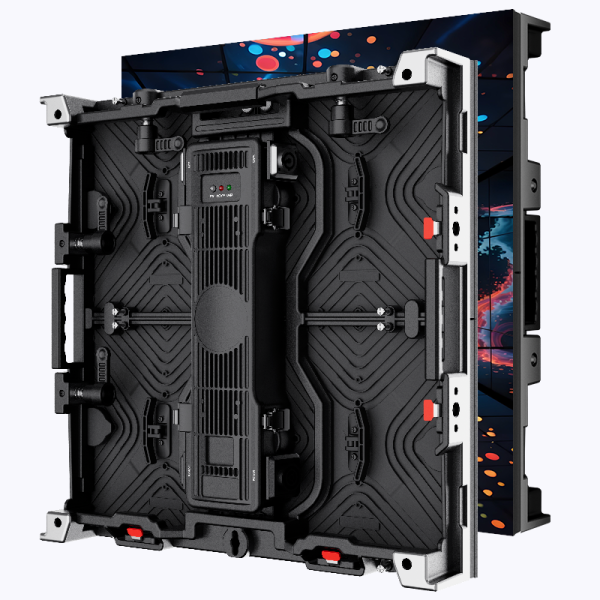
Why Micro LED matters for outdoor hustle
Real talk — Micro LED ain’t just shiny flex for Times Square; it changes how people lock onto ads on the street. When you want outdoor impact, you pick display tech that survives glare, weather, and fast eyes scanning the block. That’s where digital billboards with tight pixel pitch and high nits win — vivid color, legible copy from a distance, and longevity that pays off over time. Brands that deploy Micro LED get cleaner color gamut and better contrast ratio, and the streets notice.
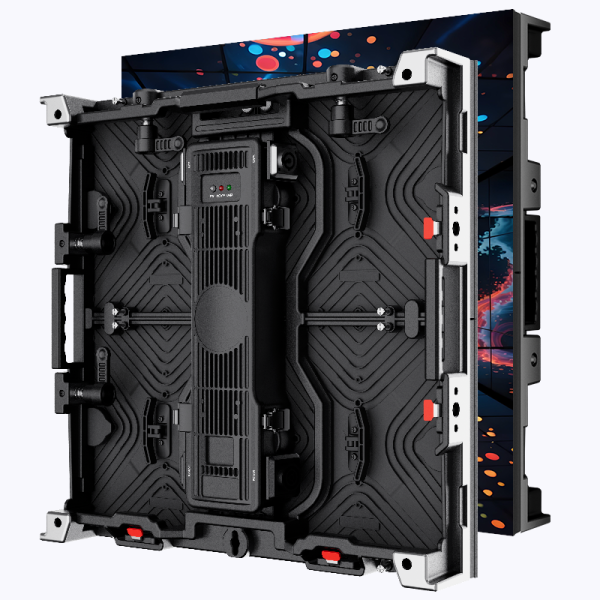
Comparative breakdown: Micro LED vs. traditional LED and OLED
Keep it short: Micro LED beats regular LED in brightness and viewing angle, and it clobbers OLED for outdoor durability. Here’s the breakdown in plain street terms.
– Brightness (nits): Micro LED runs higher nits than OLED, so daytime visibility stays solid under sun. LED walls with low brightness wash out — not good for busy intersections.
– Longevity & maintenance: Micro LED uses individual LED modules that last longer and can be serviced panel-by-panel. Traditional LED cabinets need more routine fixups.
– Image fidelity: Pixel pitch is tighter on Micro LED setups built for close viewing, so copy and logos stay crisp even on big-format walls. Refresh rate matters for motion ads — Micro LED handles fast content without ghosting.
How agencies and brands actually use Micro LED — grounded examples
Walk down to Times Square and you’ll see the point — those giant, bright installations are proving grounds for formats that catch attention. Agencies use Micro LED for high-impact launches, product drops, and interactive moments. For outdoor campaigns that need dynamic content sequencing, Micro LED supports HDR files and fast refresh rate playback without flicker. The real-world anchor here is Times Square’s long history of testing bold outdoor executions — brands iterate there because the foot traffic gives instant feedback.
Common mistakes on rollout and how to dodge them
Don’t slap a high-res file on a massive screen and call it a day. Artists and media teams trip on scaling, color profiles, and viewing-distance math. Mistake list — short and brutal:
– Ignoring viewing distance and pixel pitch alignment. You need the right pixel pitch for where people stand or drive.
– Overlooking ambient brightness and color calibration. No cap: you’ll lose contrast if your brightness settings don’t beat daylight.
– Skipping modular maintenance planning. If you can’t swap LED modules fast, downtime kills impressions.
— Plan like you’re juggling a live stage show: content prepped in multiple aspect ratios, a staging server for playback checks, and field-tested calibration before launch.
Cost, maintenance, and ROI — what pays off
Micro LED costs more upfront, but maintenance cycles and energy efficiency shift the math. Consider total cost of ownership: procurement, installation, ongoing power draw, and panel replacement cadence. Brands targeting premium impressions, long campaigns, or repeat creative benefit most — the higher CPMs are justified when engagement and recall climb. When comparing vendors, evaluate warranties, service windows, and spare parts availability. Also slide in campaign metrics early — impressions, dwell time, and recall studies that tie to in-store lift.
Three golden rules for picking the right outdoor display
When you size up installs and vendors, track these three metrics like gospel:
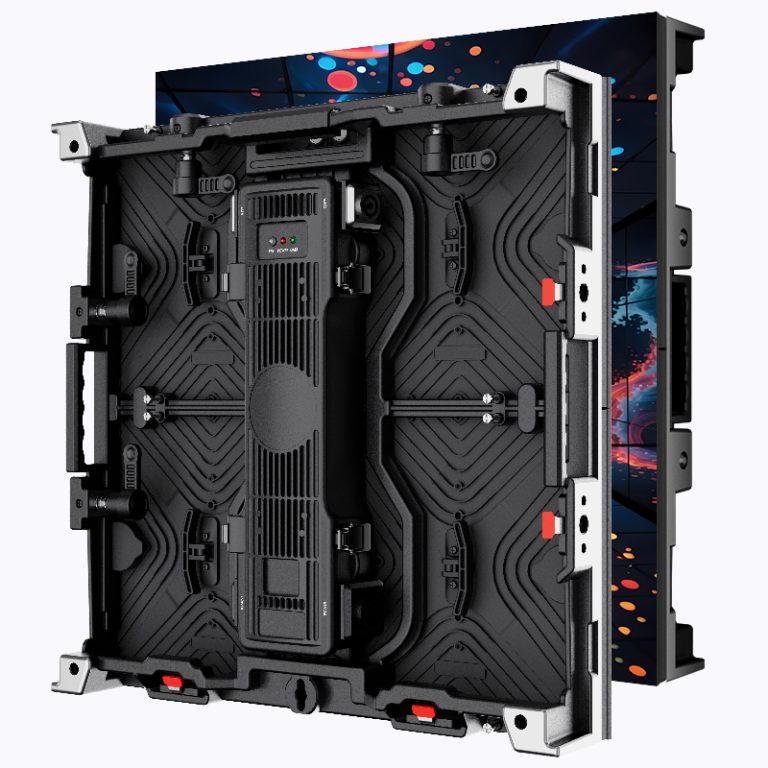
1) Visibility Score — measure nits, contrast ratio, and pixel pitch against actual sightlines where your audience stands or drives.
2) Service SLAs — guaranteed repair times, parts access, and modular replacement policy. Downtime is wasted ad spend.
3) Creative Flexibility — support for varied aspect ratios, HDR playback, and refresh rate headroom so motion looks smooth.
Keep these tight and you reduce surprises, squeeze more ROI, and keep the creative looking sharp on the street. Also, when planning rollouts, treat {main_keyword} as the campaign’s north star and use {variation_keyword} for copy testing.
Trust the tech — Micro LED delivers clarity, uptime, and style if you match specs to real-world angles and upkeep plans, and if you want a partner that gets both hardware and field play, best digital billboards for advertising are out there with the right mix. Final thought — Coblinks brings that street-ready expertise into the planning room; they know how to make the install sing — and keep it loud.