The problem—why the line no dey behave
You know how it goes: output slow, errors climb, and cost begin to bite. For teams building sensitive devices, every stoppage means regulators look twice and buyers lose trust. When folks talk about fixes, they chase shiny robots and miss the real rhythm. That’s where medical device assembly automation must meet clear problem diagnosis first—otherwise the tech only adds noise to the music.

Where throughput, accuracy, and cost collide
Problems come together at a few tight spots. Identify the choke and you stop wasting time, parts, and money.- Poor part presentation or feeders that jam—line waits for the next piece.- Inadequate fixturing or torque control—fast work turns into rework for failed seals.- Vision systems not tuned to the job—false rejects or missed defects.- Test stations slow or manual—throughput collapses because quality check is a bottleneck.- Reactive maintenance—machines break and you scramble for spare parts, paying overtime and express shipping.
How to pinpoint the real leak
Measure; don’t guess. Track cycle time per station, first-pass yield, mean time between failures (MTBF), and time-to-repair (TTR). Use simple dashboards showing where parts pile up. A two-hour line stop will tell you where skill, tooling, or machine design is failing. When you see frequent micro-stops at the same station, the fix is rarely more speed—it’s better repeatability or feeding. Consider pairing quick video capture with logs to match human moves to system events.
Equipment choices that actually move the needle
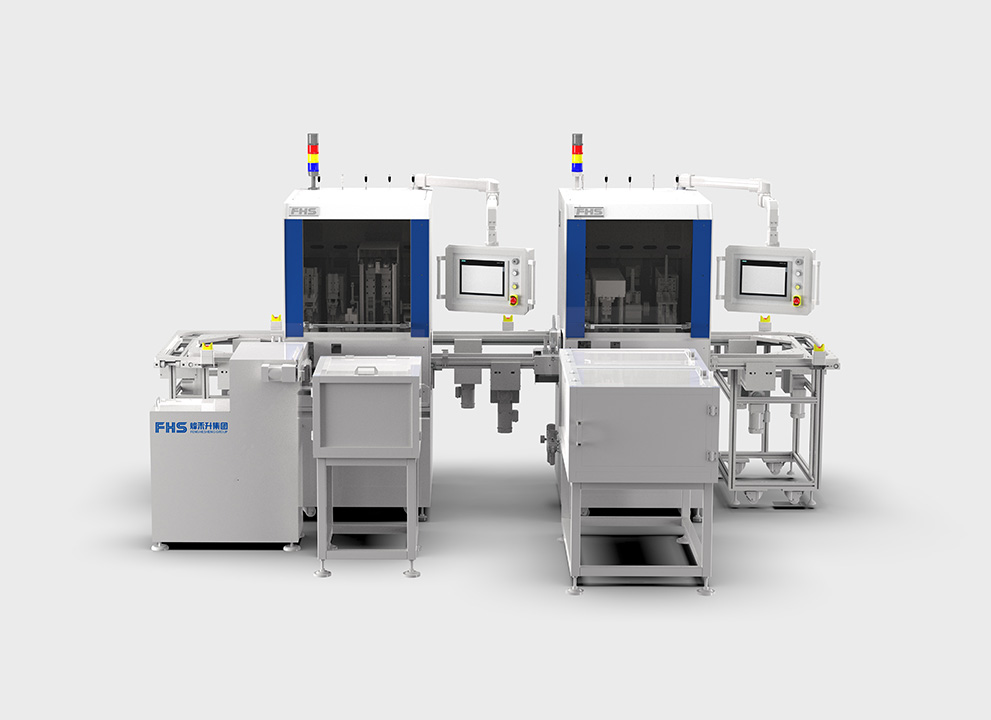
Pick tech that fits the problem, not the latest brand name. For handling precision parts, small-footprint cobots plus calibrated vision and torque control often beat a big bespoke cell. For high-volume repeatables, purpose-built conveyors, vibration feeders, and dedicated pick-and-place heads deliver steadier throughput. Look for modular cells you can reconfigure without redoing the whole line. When comparing, visit supplier demos and ask to see the equipment run the exact part family—don’t accept a generic demo. If you want examples and supplier references related to the tools themselves, check specific listings for automated medical device assembly equipment to match capabilities to your tolerances and cycle targets.
Fixes that trade cost for reliability—what to weigh
Decisions are trade-offs. Here are practical moves and what they buy you:- Add vision at critical joins: lowers false rejects, raises first-pass yield, moderate cost.- Better feeders and part kitting: reduces micro-stops, improves takt time, modest capital.- Torque-controlled drivers and single-use fixtures: cuts rework on sealed parts, higher initial spend but lower warranty claims.- Predictive maintenance sensors: fewer surprise stops, saves labour and rush parts.- Split-line modularity (parallel cells): higher footprint and CAPEX but near-linear throughput gains during peak demand.Make a simple cost-versus-risk table for each option. Don’t overengineer; match the fix to the failure mode.

Common mistakes that keep teams stuck
Many repeat the same errors:- Buying a high-speed machine without fixing part quality first.- Treating vision as a bandage for poor mechanical repeatability.- Ignoring operator workflow—machines can be brilliant but slow if human steps are awkward.- Skipping early-stage validation with production-like parts; prototypes behave different.Industry conversations at events like Düsseldorf’s Medica trade fair keep showing the same patterns: vendors demo capability, but buyers who bring realistic parts and scenarios get the systems that actually perform on their floors.
Quick checklist to move from problem to reliable solution
Use this as your working list:- Map station-by-station cycle time and yield.- Capture repeat failure modes for three weeks.- Lab-test candidate equipment with your parts, not vendor test kits.- Prioritise fixes that reduce rework cost per unit.- Insist on spare-part lead times and local service SLAs.- Pilot a modular cell before full-line conversion.
Final thought
Sort the real problem first, then pick tools that solve it. When you match part handling, control, and test strategy to the failure mode, you shrink cycle time and errors without throwing money away. Practical, measured changes beat flashy promises every time, and that sensible path is what partners like FHS base their recommendations on—steady improvements, tuned to how your line actually behaves.