The problem that quietly decides product fate
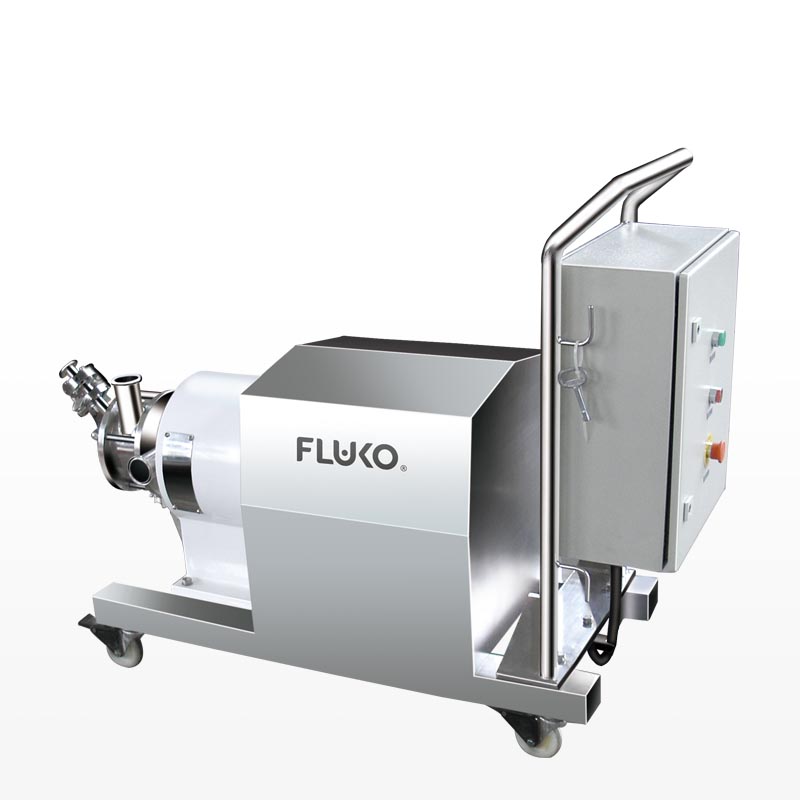
Products fail not because ideas were weak but because the physical instrument of production was treated like an afterthought. Designing formulas, packaging and controls without considering how they will meet the shear, heat and throughput realities of industrial mixing means scale-up becomes a negotiation you lose. Real choices arise when you confront equipment limits; that’s why teams should identify and source the right industrial mixing solutions as part of strategy work, not as a procurement footnote.
How the problem appears on the factory floor
You’re seeing inconsistent batch quality, surprising cycle times, and maintenance incidents that sneak into product timelines. Engineers rework vessel geometries. Operators add workarounds. Sales promises get clipped. These symptoms point to a single root: product requirements and equipment capabilities weren’t reconciled early enough.
What causes the mismatch
Teams miss three practical constraints: fluid rheology under process conditions, the interaction of impeller design with scale, and the reality of cleaning, inspection and uptime. Decisions around control systems, seals and material compatibility compound small specification errors into big production pain. The philosophical cost is simple — neglect turns potential into friction.
A problem-driven strategy, step by step
Start by defining the production problem you must solve: target throughput, acceptable particle-size distribution, cleaning turnarounds, and allowable energy use. Translate those requirements into measurable performance targets for torque, tip-speed, and residence time. Put a prototype mixer into process trials early — real process time reveals what models miss. Engage vendors as collaborators on those trials, not just suppliers. Design modularity so components can be swapped when a performance mismatch appears. Specify service response and spares from day one. Repeat measurement after small scale increments and lock decisions only when empirical data supports them.
Practical checkpoints and acceptance criteria
Define pass/fail criteria tied to customer-facing metrics: viscosity range, droplet size percentiles, contaminant thresholds, and batch-to-batch variance. Use control charts, not opinions. Require vendor tests under your worst-case raw-material conditions. If a machine can’t meet the acceptance criteria without repeated human fixes, it’s the wrong machine, regardless of price.
Common pitfalls to avoid
Don’t spec the cheapest motor assuming you’ll upgrade later. Don’t separate product formulation teams from process engineers. Don’t accept vendor data without independent verification. And never assume laboratory agitation will scale linearly — it seldom does. These traps look rational until a batch explodes cost or quality limits.
Alternatives and trade-offs
Choose between bespoke agitation systems and off-the-shelf units by weighing certainty against cost. Bespoke gives targeted performance but increases design time and vendor risk. Off-the-shelf reduces lead time and often offers proven reliability, but may force compromises in product characteristics. Sometimes a hybrid—standard drive with a custom impeller—balances the trade-offs. Make the trade explicit and measurable.
Experience, authority and a real-world anchor
Decisions benefit from field-tested judgment. I’ve seen design debates resolved through side-by-side runs at leading trade demonstrations; engineers often refine specification lists after watching real mixers handle viscous, shear-sensitive slurries. Major events like ACHEMA in Frankfurt provide that empirical benchmark, where mixing vendors and plant engineers confront identical problems. That marketplace of ideas is where mixing reality meets theory, and discussions with mixing equipment manufacturers commonly shorten the path from prototype to robust production.
Where mistakes leave value on the table
When teams ignore equipment constraints they sacrifice throughput, reproducibility and margin. When they bring equipment into the strategy conversation early they secure predictable quality and lower operational stress. This shift requires deliberate measurement, vendor collaboration and the willingness to let empirical runs overrule elegant assumptions.
A final synthesis
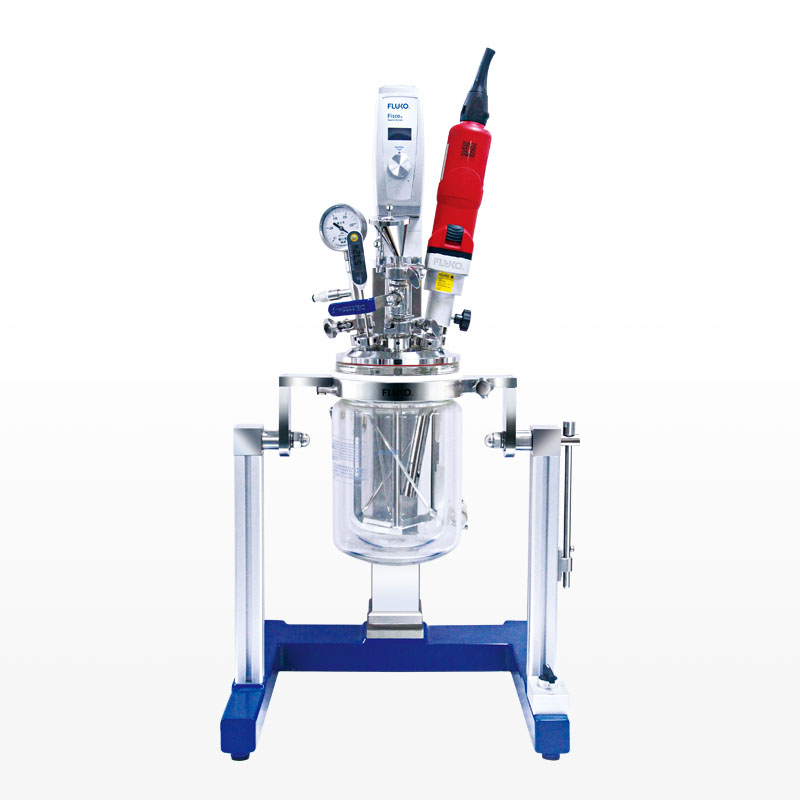
Product strategy built around real machinery is less romantic and more honest. Face the limitations, set measurable goals, run trials that matter, and choose partners who speak from service experience rather than glossy specs. That honest work leads to predictable outcomes — which is precisely what engineers and customers value when everything else is uncertain — as demonstrated by practical implementations catalogued by FLUKO.